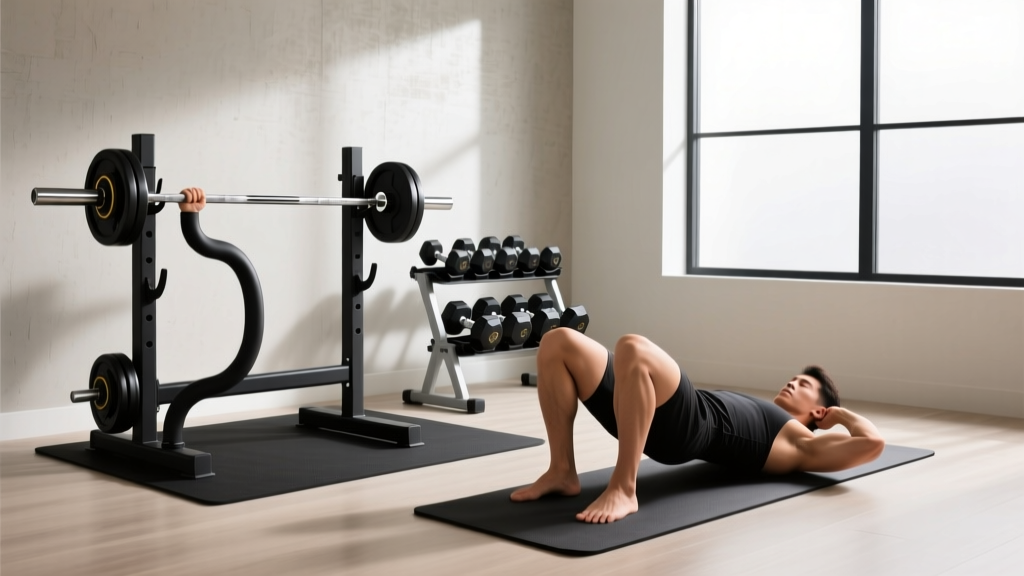
Space Layouts: Loadable Dumbbells & The Atlantis Dumbbell Bench
Optimize your home gym footprint. We analyze spatial layouts for loadable dumbbells and the Atlantis dumbbell bench to maximize clearance and safety.

The Spatial Economics of the Modern Micro-Gym
As urban living spaces shrink and home real estate premiums skyrocket in 2026, the 'micro-gym' has evolved from a compromise into a highly engineered discipline. The days of dedicating a massive three-car garage to a sprawling 10-tier dumbbell rack are over for most enthusiasts. Today, space optimization dictates equipment selection, and the shift toward loadable dumbbells with interchangeable plates represents one of the most significant spatial efficiencies in modern strength training. However, pairing these unconventional handles with premium, commercial-grade furniture like the Atlantis dumbbell bench requires a meticulous approach to layout design, clearance geometry, and storage integration.
When you transition from fixed rubber hex dumbbells to plate-loaded handles, you aren't just changing how you lift; you are fundamentally altering the spatial dynamics of your workout zone. The physical footprint of your weight storage shrinks, but the operational footprint—the space required to safely load, unload, and maneuver the equipment—expands. Understanding this trade-off is the key to designing a functional, high-performance home gym.
Fixed Racks vs. Loadable Systems: A Spatial Breakdown
To understand the value of loadable dumbbells, we must first quantify the spatial tax imposed by traditional fixed sets. Below is a comparative analysis of a standard 5-50 lb fixed dumbbell set versus a high-capacity loadable dumbbell system paired with a compact plate tree.
| Metric | Fixed 5-50lb Dumbbell Rack (20 Pairs) | Loadable Handles + 200lb Plate Tree | Spatial Variance |
|---|---|---|---|
| Total Floor Footprint | ~18.5 sq. ft. (8ft long x 2.3ft deep) | ~6.0 sq. ft. (2x2 tree + 1x2 handle tray) | -67% Reduction |
| Wall Clearance Required | 36 inches for user access | 24 inches for plate loading | -33% Reduction |
| Setup/Teardown Time | 0 seconds (Grab and go) | 45-90 seconds per weight change | Increased Friction |
| Average 2026 Cost | $1,800 - $2,500 | $600 - $900 | -60% Cost Savings |
While the spatial and financial savings are undeniable, the 'increased friction' of loading plates introduces new layout constraints, particularly when interacting with a premium bench.
Deconstructing the Atlantis Dumbbell Bench Profile
The Atlantis dumbbell bench (often referencing their renowned commercial FID or heavy-duty flat models) is a staple in high-end home gyms. Known for its 11-gauge steel frame, 1,000+ lb weight capacity, and premium vinyl upholstery, it is an anchor piece. However, its specific dimensions heavily influence how loadable dumbbells behave in your layout.
The 12-Inch Pad Dilemma and Wrist Clearance
Most standard commercial benches feature a back pad width of 10 inches. Atlantis frequently utilizes a 12-inch wide pad on their premium FID models to provide superior scapular retraction support for heavy pressing. While biomechanically superior, this extra width creates a physical barrier for bulky loadable dumbbell handles.
When using plate-loaded dumbbells, the collars and the inner plates sit significantly closer to the knurled grip than they do on compact adjustable dumbbells (like PowerBlocks). If you are performing low-incline presses or chest flyes on a 12-inch Atlantis pad, the inner plates of a loadable handle can scrape against the vinyl upholstery, restricting your range of motion and potentially damaging the bench.
Expert Layout Tip: To mitigate pad interference, position your Atlantis bench so that the head is facing away from walls or plate trees. This allows you to sit on the bench, pick up the loadable dumbbells from the floor, and kick them back without the handles catching on nearby storage racks during the initial lift-off.Designing the 'Halo': Clearance Zones for Loadable Plates
According to facility design principles outlined by the National Strength and Conditioning Association (NSCA), adequate clearance zones are critical for safety and equipment longevity. When integrating loadable dumbbells with an Atlantis bench, you must design a specific 'Halo'—a dedicated floor space around the bench that accommodates the unique dimensions of plate-loaded handles.
Step-by-Step Halo Layout
- Measure the Handle Span: A standard loadable dumbbell handle (like the Elite SRS or Yes4All 16-inch models) measures 16 inches in total length. When loaded with two 45lb cast-iron plates, the total span remains 16 inches, but the weight distribution shifts outward.
- Establish the Lateral Pickup Zone: You need a minimum of 24 inches of lateral clearance on both the left and right sides of the Atlantis bench. This allows you to perform a proper hip-hinge to pick up the 16-inch handles from the floor without your knuckles grazing the bench's heavy-duty steel uprights.
- Define the Loading Corridor: Unlike fixed dumbbells, loadable handles require you to slide plates on and off. Never place your plate tree directly behind the head of the bench. Instead, position the plate tree 36 inches away from the side of the bench, creating a dedicated 'loading corridor' where you can safely roll the dumbbell on its side to swap plates without bending over the bench pad.
Real-World Failure Modes and Edge Cases
When designing a space-optimized gym, theoretical layouts often fail when confronted with the physical realities of the equipment. Here are the most common failure modes when pairing loadable dumbbells with the Atlantis bench, and how to engineer your layout to prevent them.
1. Spin-Lock Collar Floor Scraping
Many budget-friendly loadable dumbbells utilize threaded spin-lock collars. These collars extend 1 to 1.5 inches past the plates. If your layout forces you to set the dumbbells down near the Atlantis bench's welded foot caps, the exposed threads will act like a cheese grater on your rubber flooring and the bench's powder-coated feet. Solution: Invest in loadable handles with quick-release clamp collars (like the Rogue Loadable Dumbbell Handles) which sit flush with the plates, or designate a specific 2x2 foot rubber mat zone strictly for dumbbell grounding.
2. The Urethane vs. Cast Iron Sleeve Capacity Trap
A critical spatial oversight involves plate thickness. A standard loadable dumbbell sleeve is 5 to 6 inches long. If you use virgin rubber or urethane bumper plates (which are incredibly thick to protect floors), you may only fit 35 lbs per side before running out of sleeve space. If your layout relies on a compact plate tree, you must stock machined cast iron plates for the dumbbells. Cast iron allows you to load up to 75+ lbs per side on a standard sleeve, keeping your storage footprint dense and vertically optimized.
'The biggest mistake in micro-gym design is treating all weight plates as spatially identical. A 10lb cast iron plate and a 10lb urethane plate have the same mass, but vastly different volumetric footprints. Your storage layout must be dictated by the sleeve geometry of your specific loadable handles.' — Home Gym Engineering Principles, 2025
Storage Integration: The Plate Tree Placement
To maximize the space saved by ditching the fixed dumbbell rack, your plate storage must be hyper-efficient. Avoid traditional A-frame plate trees, which require a 3-foot base and pose a tipping hazard when loaded asymmetrically with small fractional plates.
Instead, utilize a wall-mounted plate peg system or a vertical single-post tree anchored to the floor. Place this storage unit exactly 48 inches from the side of the Atlantis bench. This specific distance allows you to hold a loadable handle in your dominant hand, walk two steps to the tree, slide a plate on with your free hand, and secure the collar—all without having to navigate around the bench's footprint.
Expert Verdict: Optimizing the Investment
Pairing loadable dumbbells with an Atlantis dumbbell bench is a masterclass in space optimization, provided you respect the geometry of the equipment. The Atlantis bench offers unparalleled stability and scapular support, but its wide pad and heavy steel frame demand strict clearance zones. By implementing a 24-inch lateral pickup halo, utilizing flush-collar loadable handles, and anchoring a vertical plate tree at a precise 48-inch offset, you can reclaim up to 15 square feet of valuable floor space. In the modern 2026 home gym, spatial intelligence is just as important as the weight on the bar. Design your layout with intention, and your micro-gym will perform like a commercial facility.
More gear to consider
All reviews
Loadable Dumbbells for Dumbbell Around the Worlds: Value Analysis

Olympic vs Standard Plates: Guide & Incline Dumbbell Press Form
Urethane vs Rubber Hex Dumbbells: Care for Pronated Dumbbell Curls
Bumper vs Iron Plate Trends: Seated Dumbbell Side Lateral Raise 2026
Olympic vs Standard Plates: Trap Work & Shrug Exercise Dumbbell