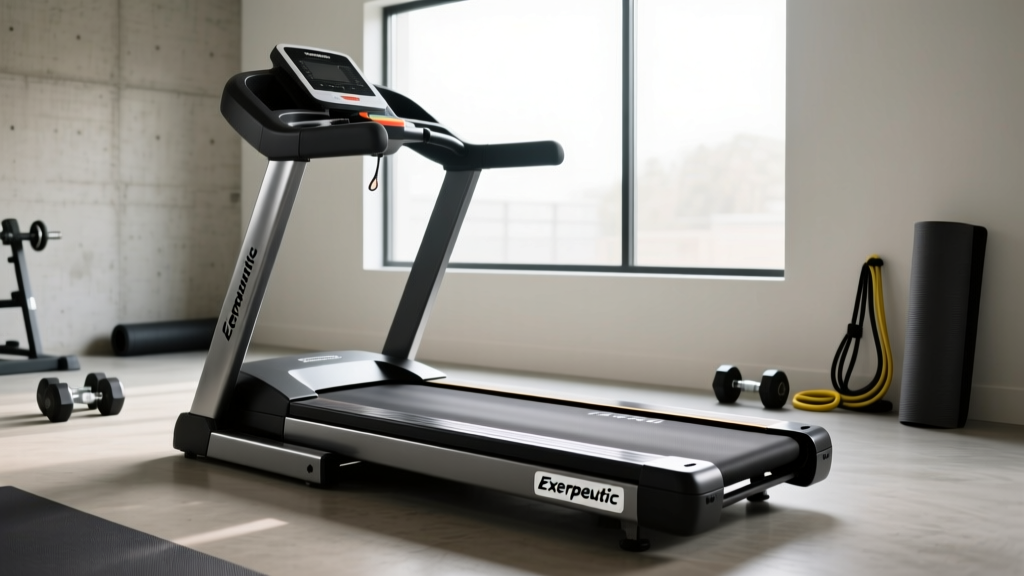
Ultra G Treadmill, Air Bike vs Assault Bike: 2026 Guide
Compare the Ultra G Treadmill, Assault Bike Pro X, and Rogue Echo Bike. Expert 2026 specs, noise tests, and HIIT cardio data to build your ultimate gym.

The 2026 Cardio Showdown: Curved Treadmills vs. Fan Bikes
Building a high-performance home gym in 2026 requires more than just throwing money at the most expensive equipment; it demands a strategic understanding of energy systems. When outfitting a garage gym for elite conditioning, two distinct camps of cardio equipment dominate the floor: self-powered curved treadmills and wind-resistance fan bikes. In this expert guide, we are putting the highly sought-after Ultra G Treadmill up against the titans of the air bike world—the Assault Bike Pro X and the Rogue Echo Bike Gen 2. Whether you are programming for Zone 2 aerobic base building or maximum-output anaerobic intervals, understanding the mechanical and physiological differences between these machines is critical.
Head-to-Head Specs: Ultra G, Assault Pro X, and Echo Gen 2
Before diving into the biomechanics and programming applications, let us establish the baseline specifications, current 2026 pricing, and physical footprints of these three cardio heavyweights.
| Feature | Ultra G Treadmill (Curved) | Assault Bike Pro X | Rogue Echo Bike Gen 2 |
|---|---|---|---|
| Primary Modality | Running / Walking (Self-Powered) | Full-Body Cycling (Wind) | Full-Body Cycling (Wind) |
| Drive / Resistance | Magnetic-assist curved slat belt | Belt Drive / 24-inch Fan | Belt Drive / Direct-Drive Fan |
| Footprint (L x W) | 72" x 33" | 51" x 24" | 53" x 30" |
| Machine Weight | 365 lbs | 120 lbs | 135 lbs |
| Max User Capacity | 350 lbs | 350 lbs | 350 lbs |
| Current MSRP | $3,499 | $1,299 | $1,295 |
Air Bike vs. Assault Bike: The Core Comparison
While the Ultra G Treadmill excels in lower-body impact and running mechanics, the air bike category remains the undisputed king of full-body High-Intensity Interval Training (HIIT). But which fan bike reigns supreme? The debate between the Assault Fitness AirBike and the Rogue Echo Bike is fierce. Here is our hands-on breakdown of the engineering nuances that separate them.
Drive Systems & Acoustic Footprints
The original Assault Bike utilized a chain drive, which, while durable, sounded like a motorcycle idling in your living room (often exceeding 80 decibels). The modern Assault Bike Pro X and the Rogue Echo Bike Gen 2 have both transitioned to belt-drive systems. This shift has reduced operational noise to a manageable 65-70 dB range, allowing you to watch TV or listen to podcasts without noise-canceling headphones.
- Assault Pro X: Uses a high-tension poly-v belt. It offers a slightly smoother ramp-up in resistance but requires periodic belt tension checks after the first 50 hours of use.
- Rogue Echo Gen 2: Employs a direct-drive belt system that feels marginally more responsive out of the gate. The heavier 135 lb chassis also means the bike exhibits zero lateral wobble during aggressive out-of-the-saddle sprints, a common complaint with lighter competitor models.
Biomechanics: Q-Factor and Saddle Ergonomics
One of the most overlooked specifications in an air bike comparison guide is the Q-factor—the horizontal distance between the outside of the pedals.
Expert Biomechanics Note: The Rogue Echo Bike features a noticeably wider Q-factor compared to the Assault Pro X. For athletes with broader hips or those who experience IT band friction on narrower road bikes, the Echo is vastly superior. Conversely, the narrower pedal stance of the Assault Pro X mimics a traditional road bike geometry, making it the preferred choice for endurance cyclists looking to cross-train without altering their neuromuscular pedal stroke.Regarding saddles, both stock seats are notoriously unforgiving. We highly recommend budgeting an extra $100 to swap the stock saddle for a specialized ergonomic seat, such as the Selle Italia Gel Flow, on either machine.
The Console Telemetry & Calorie Discrepancy
Both consoles now feature native Bluetooth and ANT+ connectivity, syncing seamlessly with Zwift, TrainerRoad, and Garmin ecosystems. However, there is a massive discrepancy in how they calculate energy expenditure. According to independent metabolic testing, the Assault Bike's proprietary calorie algorithm is notoriously generous, often overestimating true metabolic burn by 15% to 20% compared to the watt-based algorithm used by the Echo Bike. If you are strictly tracking caloric output for weight management, rely on heart-rate monitor data rather than the built-in LCD readouts.
Where the Ultra G Treadmill Fits Into Your Programming
Why compare a curved treadmill to an air bike? Because a complete 2026 home gym requires tools for different physiological adaptations. While air bikes are unparalleled for central nervous system (CNS) taxation and VO2 max intervals, they lack the specific neuromuscular coordination required for running sports.
The Ultra G Treadmill bridges this gap. Because it is entirely self-powered, the runner must generate the horizontal force to move the slat belt. Studies show that running on a curved, non-motorized treadmill requires approximately 30% more energy expenditure at the same speed compared to a standard motorized treadmill. Furthermore, the curved deck naturally encourages a mid-foot strike, reducing the severe heel-strike impact forces that often lead to tibial stress fractures.
"For athletes requiring sport-specific running conditioning without the joint degradation of high-mileage asphalt pounding, self-powered curved treadmills provide the optimal middle ground between aerobic base building and impact management."
While the American Heart Association recommends 150 minutes of moderate-intensity aerobic activity per week, achieving this on an air bike can lead to severe upper-body fatigue and lower-back rounding. The Ultra G Treadmill allows you to accumulate this Zone 2 volume safely while maintaining an upright, natural posture.
Expert Decision Framework: Which Machine Wins?
Do not buy based on hype; buy based on your specific physiological goals and spatial constraints.
Choose the Rogue Echo Bike Gen 2 If:
- You are a CrossFit athlete or tactical responder who needs a machine that can withstand violent, high-wattage sprint intervals without shifting on the floor.
- You have a wider hip structure and require a broader Q-factor to prevent knee and IT band pain.
- You prioritize rugged, zero-maintenance direct-drive engineering over sleek aesthetics.
Choose the Assault Bike Pro X If:
- You are a cyclist or triathlete using the air bike strictly for active recovery or off-season VO2 max work, and you prefer a narrower, road-bike-style pedal stance.
- You are operating in a tighter space (the Pro X is slightly narrower and easier to tuck into a corner).
Choose the Ultra G Treadmill If:
- Your primary goal is improving running economy, sprint mechanics, and lower-body aerobic capacity.
- You suffer from lower-back pain that is exacerbated by the hunched, flexed-spine posture required during max-effort air bike sprints.
- You have the budget ($3,499) and the ceiling clearance (requires 10+ inches of clearance above your height) to accommodate a large, premium curved deck.
Frequently Asked Questions
Can I use an air bike for Zone 2 steady-state cardio?
Technically yes, but it is highly impractical. The wind resistance scales exponentially with your speed. To maintain a low enough wattage for Zone 2 (usually 120-140 BPM), you have to pedal so slowly that the flywheel momentum dies, resulting in a jerky, uncomfortable pedal stroke. For steady-state Zone 2 work, the ACSM and most sports scientists recommend modalities like the Ultra G Treadmill, rowing ergometers, or traditional spin bikes.
Do curved treadmills like the Ultra G require electricity?
No. The Ultra G Treadmill is 100% self-powered by the user's stride. The only electricity required is a minimal amount to power the LCD telemetry console, which can often be run on standard AA batteries or a simple plug-in adapter, making it ideal for off-grid or garage gym setups without dedicated 20-amp circuits.
Which machine burns more calories per minute?
At absolute maximum effort (e.g., a 60-second all-out sprint), an elite athlete can push an air bike to output over 1,000 watts, burning upwards of 20-25 actual metabolic calories per minute. However, this intensity is unsustainable for more than a few minutes. Over a sustained 45-minute workout, the Ultra G Treadmill will yield a higher total caloric expenditure because the athlete can maintain a steady, high-output running pace without the localized upper-body muscle failure that plagues air bike users.
More gear to consider
All reviews
Compact Portable Cardio Care: ProForm Treadmill Belt Adjustment Guide
Elliptical vs Treadmill: Cardio ROI and Treadmill Tune Up Costs
TRM 885 Treadmill vs. Compact Portable Cardio: Space Guide

Weslo Cadence 200CS Treadmill: Feature Comparison Guide
Curved vs Motorized: Beginner Guide to Fitness on Treadmill Setups