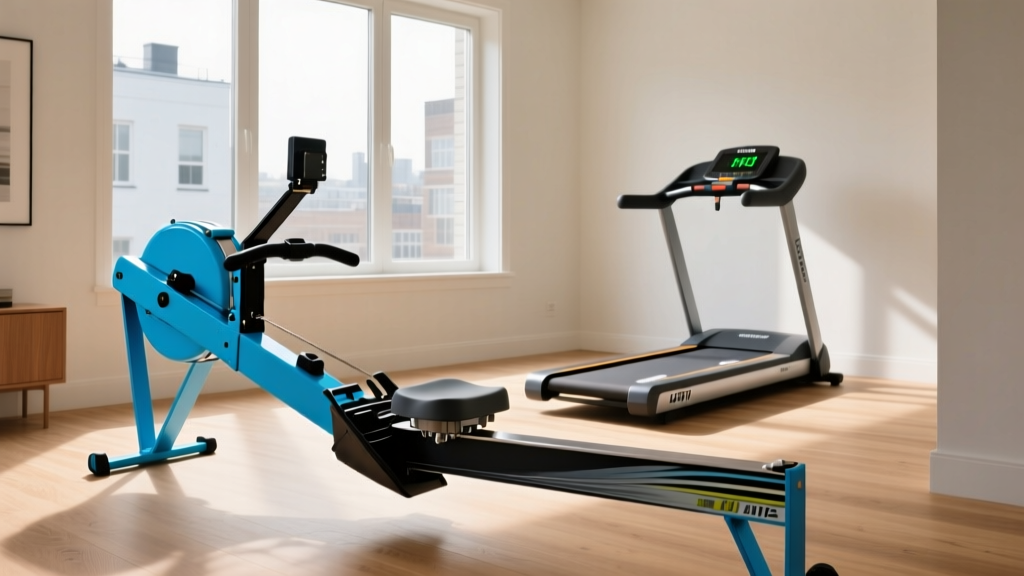
Curved vs Motorized Treadmills: Troubleshooting a Frayed Treadmill Belt
Compare curved manual and motorized treadmills to diagnose and fix a frayed treadmill belt. Expert troubleshooting, repair costs, and maintenance tips.

The Anatomy of Belt Wear: Curved vs. Motorized
Discovering a frayed treadmill belt during your morning run is more than just a cosmetic nuisance; it is a critical mechanical warning sign. However, the root cause, troubleshooting steps, and repair costs vary drastically depending on whether you are using a traditional motorized treadmill or a curved manual runner. In 2026, with the surge in popularity of non-motorized curved treadmills for HIIT and Zone 2 training, home gym owners are increasingly encountering unique wear patterns that differ from legacy flat-bed machines.
According to equipment maintenance guidelines from the American Council on Exercise (ACE), proper biomechanical alignment and machine calibration are essential to prevent premature equipment degradation. When a belt begins to fray, it indicates a breakdown in the friction, tension, or tracking systems. This guide breaks down the specific mistakes and troubleshooting protocols for both machine types.
⚠️ Safety Warning: Never attempt to inspect or repair a frayed treadmill belt while the machine is plugged in or in motion. For motorized units, unplug the machine and remove the safety key. For curved treadmills, ensure the magnetic brake (if equipped) is engaged before inspecting the undercarriage.Motorized Treadmills: Diagnosing Edge Fraying and Seam Failure
Motorized treadmills (like the Sole F80 or NordicTrack Commercial 1750) utilize a continuous loop belt made of PVC, rubber, or a polyurethane blend. Fraying on these belts typically manifests in two ways: edge fraying (where the belt rubs against the side rails) and seam delamination (where the glued ends of the loop begin to peel and shred).
Common Mistakes Causing Motorized Belt Fraying
- Over-Tightening the Rear Roller: Many users mistakenly tighten the rear roller bolts to fix a slipping belt. This stretches the PVC material beyond its yield point, causing the edges to curl and fray against the plastic side caps.
- Using Petroleum-Based Lubricants: Applying WD-40 or silicone sprays containing petroleum distillates will chemically break down the PVC backing, leading to rapid seam failure and fraying.
- Ignoring Deck Warping: If the MDF or phenolic deck is warped, the belt will track to one side, grinding the edge until it frays.
Step-by-Step Troubleshooting for Flat Belts
- Check the Tension: Lift the belt in the exact center of the deck. It should raise exactly 2 to 3 inches. If it lifts higher, it is too loose (causing slip); if it lifts less, it is over-tightened (causing edge fray).
- Verify Tracking Alignment: Turn the machine on to 2 MPH. Watch the rear roller. If the belt drifts left, turn the left rear adjustment bolt clockwise by exactly one-quarter turn. Wait 30 seconds for the belt to center. Never adjust by more than a quarter turn at a time.
- Inspect the Deck: Slide your hand under the belt. If you feel deep grooves or a 'lip' at the edges of the deck, the deck is worn. A worn deck creates excessive friction, generating heat that melts and frays the belt seam. In 2026, replacement phenolic decks cost between $120 and $200.
- Apply 100% Silicone Lubricant: Use only manufacturer-approved 100% liquid silicone. Apply 15ml under the belt, spread evenly, and run the machine at 3 MPH for 5 minutes to distribute it.
Curved Manual Treadmills: Slat Degradation and Drive Belt Fraying
Curved manual treadmills (such as the AssaultRunner Elite or TrueForm Trainer) do not use a continuous flat belt. Instead, they use a 'slat belt'—individual TPU or rubberized slats mounted on a steel or Kevlar core, driven by the user's footstrike. When users report a frayed treadmill belt on a curved runner, they are usually referring to either the rubber edges of the slats tearing or the internal Kevlar drive belt shedding fibers.
Why Curved Belts Fray Differently
As noted in Consumer Reports' treadmill buying and maintenance guide, curved treadmills subject the running surface to significantly higher impact forces per square inch because the user's footstrike drives the machine. Fraying on a curved treadmill is rarely a lubrication issue; it is almost always a tension or bearing issue.
Troubleshooting the AssaultRunner and TrueForm Series
💡 Pro Tip: Never apply silicone spray to the slats of a curved treadmill. The slats rely on high friction for grip. Lubricating them will cause dangerous slips and will attract dust that degrades the internal bearings.- Diagnose Slat Edge Tearing: If the rubber edges of the slats are fraying or peeling, check the side tension rails. On the TrueForm Trainer, the side rails can be adjusted via the hex bolts at the front and rear. If the rails are too tight, they will shear the rubber edges of the slats during high-speed sprints.
- Inspect the Internal Drive Belt: Remove the side shrouds (usually requiring a 3mm or 4mm Allen key). Inspect the Kevlar or polyurethane drive belts that connect the front and rear axles. If you see 'fuzz' or fraying on the sides of the drive belt, the pulleys are misaligned. Use a laser level or a straight edge to ensure the front and rear pulleys are perfectly parallel.
- Check Bearing Play: Grab the front axle and wiggle it vertically. Any play indicates worn sealed bearings. Worn bearings cause the axle to wobble, which violently misaligns the slat belt and causes rapid edge fraying. Replacement sealed bearings (typically 6204-2RS) cost under $15 each but require a bearing puller to install.
Repair Costs and Lifespan: Motorized vs. Curved Comparison
Understanding the financial impact of a frayed treadmill belt helps determine whether to repair or replace the machine. Below is a 2026 market comparison of average repair costs for mid-to-high-tier home models.
| Machine Type / Model | Belt Replacement Cost | Expected Belt Lifespan | Primary Cause of Fraying |
|---|---|---|---|
| Sole F80 (Motorized) | $99 (Part) + $100 (Labor) | 5 - 7 Years | Deck friction / Misalignment |
| NordicTrack 1750 (Motorized) | $129 (Part) + $120 (Labor) | 4 - 6 Years | Over-tightening / Heat |
| AssaultRunner Elite (Curved) | $499 (Slat Belt) + $150 (Labor) | 7 - 10 Years | Bearing failure / Rail tension |
| TrueForm Trainer (Curved) | $550 (Slat Belt) + $180 (Labor) | 8 - 12 Years | Pulley misalignment / Impact |
When to Repair vs. Replace: A Decision Matrix
Not every frayed treadmill belt warrants a full replacement. Use this decision framework to evaluate your next steps:
- Minor Edge Fraying (Motorized): If the fraying is less than 1/4 inch deep and the belt is tracking straight, re-align the belt, lubricate the deck, and monitor. No immediate replacement needed.
- Seam Delamination (Motorized): If the glued seam is peeling, the belt is structurally compromised. Action: Replace the belt immediately. Continuing to run on it will cause the belt to snap, potentially damaging the motor controller board due to sudden load drops.
- Slat Rubber Tearing (Curved): If one or two slats have minor edge tears but the steel core is intact, you can often order individual replacement slats from the manufacturer for $15-$25 each rather than replacing the entire $500 belt assembly.
- Internal Drive Belt Fraying (Curved): If the Kevlar drive belt is shedding, Action: Stop using the machine. A snapped drive belt on a curved treadmill at high speeds can cause catastrophic axle damage and severe user injury.
Preventative Maintenance Protocols
To prevent a frayed treadmill belt from recurring, implement a strict maintenance schedule. For motorized treadmills, vacuum under the deck and around the motor hood every 30 days to prevent dust from acting as an abrasive on the belt edges. Re-apply 100% silicone lubricant every 150 miles or every 3 months, whichever comes first.
For curved manual treadmills, maintenance is less about the running surface and more about the drivetrain. Every 6 months, check the tension of the internal drive belts using a tension gauge (target deflection is usually 1/2 inch under 10 lbs of pressure). Wipe down the slats with a damp microfiber cloth and mild dish soap to remove sweat salts, which can corrode the metal inserts inside the rubber slats and cause them to split and fray from the inside out.
Expert Insight: The transition from motorized to curved treadmills requires a shift in maintenance mindset. Motorized belts fail due to friction and heat; curved belts fail due to mechanical tension and impact. Treat the drivetrain of a curved treadmill with the same respect you would give a high-end road bicycle.
More gear to consider
All reviews
Elliptical vs Treadmill: Do You Need an LA Fitness Treadmill?

Compact Portable Cardio 2026: Preventing Treadmill Abuse and Motor Murder

Walking Pad Showdown: Best for a Treadmill Walking Workout Plan

Space-Saving Layouts & An Exercise Routine For Treadmill Desks

OWA Treadmill Review: Budget Folding Value for Small Spaces