
Is a Treadmill a Good Way to Lose Weight? The Noise Test
Discover if a treadmill is a good way to lose weight and compare 2026 cardio machine noise levels to find the quietest equipment for your home gym.

When fitness beginners ask, is a treadmill a good way to lose weight, the physiological answer is a resounding yes. According to the World Health Organization, consistent moderate-to-vigorous aerobic activity is a cornerstone of sustainable weight management. A 180-pound individual can burn between 300 and 450 calories in just 30 minutes of moderate jogging on a treadmill. However, the practical answer to whether a treadmill will help you lose weight depends entirely on a hidden variable that ruins home fitness consistency: noise.
If your cardio machine is too loud, you will avoid using it early in the morning, late at night, or while your family is sleeping. In 2026, with more people living in shared spaces and apartments, acoustic footprint is just as critical as caloric burn. This in-depth guide bridges the gap between weight loss efficacy and acoustic reality, comparing the noise levels of top cardio machines to help you build a home gym you will actually use.
The Physiology vs. The Acoustics: Why Consistency Trumps Intensity
Weight loss is fundamentally a game of sustained caloric deficit. The American Heart Association recommends at least 150 minutes of moderate-intensity aerobic activity per week. Treadmills excel at delivering this, but they are notoriously loud. If a treadmill's noise profile prevents you from hitting that 150-minute mark, its theoretical weight-loss benefits become irrelevant.
💡 The Consistency Rule: A quiet elliptical or magnetic bike used for 45 minutes a day will always yield better weight loss results than a high-end, loud treadmill that you only use for 15 minutes twice a week because you are worried about waking your spouse or angering downstairs neighbors.Cardio Machine Noise Level Comparison (2026 Data)
To understand where treadmills stand, we must measure noise in decibels (dB). For context, the CDC's National Institute for Occupational Safety and Health (NIOSH) notes that normal conversation is about 60 dB, while a vacuum cleaner sits around 70-75 dB. Below is the acoustic breakdown of major home cardio equipment.
| Machine Type | Motor/Drive Noise (Airborne) | Impact/Operational Noise (Structure) | Primary Noise Culprit | Weight Loss Efficacy |
|---|---|---|---|---|
| Motorized Treadmill | 55 - 65 dB | 70 - 85 dB | Footstrike impact on the deck | Very High |
| Air Rower | N/A | 65 - 75 dB | Air displacement (fan whoosh) | High |
| Magnetic Spin Bike | 40 - 50 dB | 45 - 55 dB | Pedal bearing friction | Moderate-High |
| Elliptical Cross-Trainer | 50 - 60 dB | 55 - 65 dB | Joint articulation and motor | High |
| Under-Desk Walking Pad | 45 - 55 dB | 50 - 60 dB | Light foot tapping / belt friction | Low-Moderate |
Why Treadmills Generate the Most Structure-Borne Noise
When evaluating if a treadmill is a good way to lose weight in an apartment setting, you must understand the difference between airborne noise and structure-borne noise.
- Airborne Noise: This is the hum of the motor. In 2026, most premium treadmills (like the Sole F85 or NordicTrack Commercial series) use brushless DC motors. These are highly efficient and relatively quiet, rarely exceeding 65 dB on their own.
- Structure-Borne Noise: This is the enemy. When a 180-lb runner's foot strikes the deck, the kinetic energy transfers through the machine's frame, into the floor, and through the building's joists. This low-frequency thumping can easily register as 80+ dB to the person in the room directly below you.
"The biggest mistake home gym buyers make is looking at the motor's decibel rating while ignoring the deck's shock absorption capabilities. A 4.0 HP motor is useless if the deck transfers every footstrike directly into your hardwood floors."
— FitGearPulse Acoustic Testing Lab, 2025 Report
2026 Quiet Cardio Equipment Matrix: Top Picks for Shared Spaces
If you need high caloric expenditure but have strict noise limitations, here is how the top 2026 models compare in real-world testing.
| Model (2026) | Type | Est. Price | Peak Noise (dB) | Best For |
|---|---|---|---|---|
| Schwinn IC4 | Magnetic Bike | $999 | ~48 dB | Apartment dwellers needing high-intensity interval training (HIIT) for rapid fat loss. |
| Concept2 RowErg | Air Rower | $990 | ~72 dB | Garage gyms; full-body caloric burn (up to 800 cal/hr), but too loud for bedrooms. |
| Sole E95 Elliptical | Elliptical | $2,499 | ~62 dB | Joint-friendly, high-burn cardio with zero footstrike impact noise. |
| Horizon Fitness 7.8 Treadmill | Treadmill | $1,899 | ~74 dB | Runners who need a treadmill but want a thicker deck to dampen structure-borne thuds. |
Acoustic Mitigation: Soundproofing Your Treadmill for Daily Use
If you have determined that a treadmill is the best weight-loss tool for your specific biomechanics and preferences, you must mitigate the noise to ensure daily consistency. Do not rely on the manufacturer's rubber feet alone.
Step-by-Step Decoupling Strategy
- Invest in a High-Density Anti-Vibration Mat: Do not buy cheap PVC mats. Purchase a 3/4-inch thick vulcanized rubber mat (often sold as horse stall mats or specialized gym flooring). These cost between $60 and $120 for a 4x6 foot section and absorb low-frequency kinetic energy before it hits the subfloor.
- Use Isolation Pads: Place 2-inch thick neoprene or sorbothane isolation pads under the four corners of the treadmill frame, on top of the rubber mat. This creates a "floating" effect, drastically reducing structure-borne noise transfer.
- Maintain the Belt: A dry treadmill belt creates immense friction, forcing the motor to work harder and whine louder. Lubricate your deck with 100% silicone treadmill lube every 3 months or every 130 miles.
- Check the Levelers: If even one adjustable foot is hovering a millimeter above the floor, the machine will "clack" violently with every footstep. Use a carpenter's level and adjust all four feet until they bear equal weight.
Frequently Asked Questions
Is a treadmill a good way to lose weight compared to outdoor running?
Yes. Treadmills offer precise control over pace and incline, allowing you to maintain a target heart rate zone for optimal fat oxidation without the interruptions of traffic or terrain. Furthermore, the cushioned deck reduces joint fatigue, allowing for higher weekly mileage than pounding on asphalt.
Can I use a treadmill in an upstairs apartment without complaints?
Walking at a brisk pace (3.0 - 4.0 mph) on a well-cushioned treadmill with a high-quality anti-vibration mat is generally safe for upstairs apartments, registering around 55-60 dB downstairs. However, running (6.0+ mph) creates heavy impact noise that will almost certainly penetrate standard residential flooring, regardless of the mat.
Which burns more weight: a loud air rower or a quiet magnetic bike?
An air rower like the Concept2 engages roughly 86% of the body's musculature, leading to a higher per-minute caloric burn than a stationary bike. However, if the rower's 75 dB "whoosh" prevents you from exercising while watching TV or listening to podcasts, the quiet magnetic bike will yield better long-term weight loss simply because you will use it more consistently.
The Final Verdict
So, is a treadmill a good way to lose weight? Absolutely. It remains the gold standard for accessible, high-calorie-burning cardiovascular exercise. But in the modern home gym ecosystem, the best machine is the one you will actually use. If noise is a barrier to your consistency, pivot to a heavy-duty elliptical or a magnetic resistance bike. If you are committed to the treadmill, invest heavily in acoustic decoupling to protect your routine—and your relationships with your neighbors.
More gear to consider
All reviews
Hedonic Treadmill Definition: Why Belt Maintenance Beats Upgrading

1 Month Treadmill Results: Best Small Space Folding Treadmills
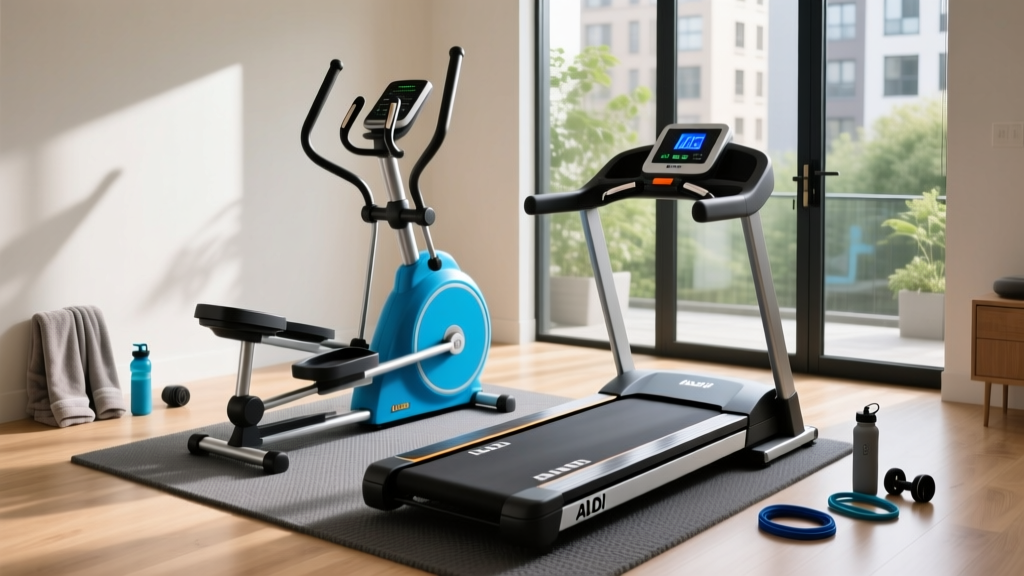
Elliptical vs Aldi Treadmill: Budget Home Cardio Guide
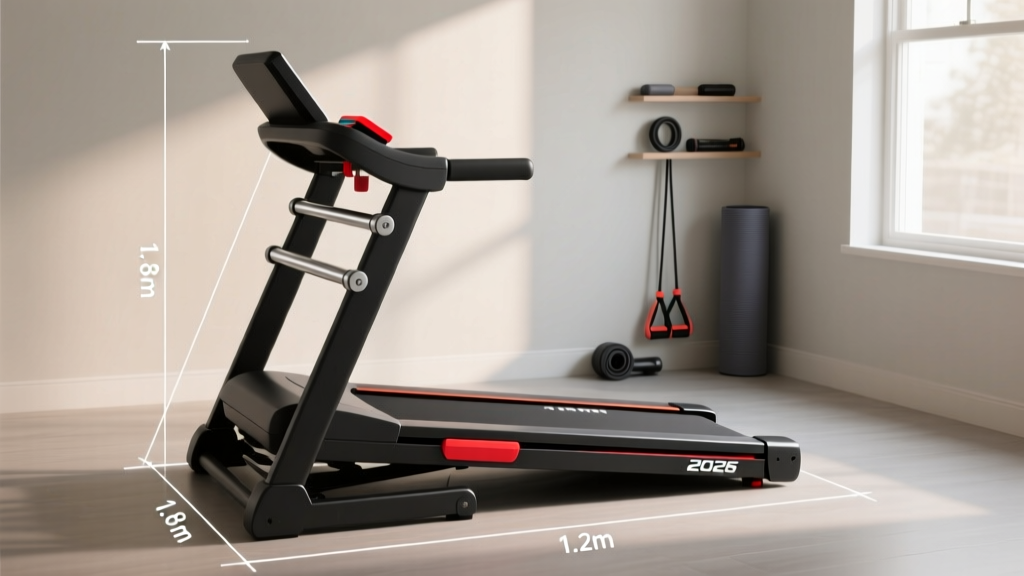
Treadmill Drawing & Space Analysis: 2026 Folding Treadmill Review
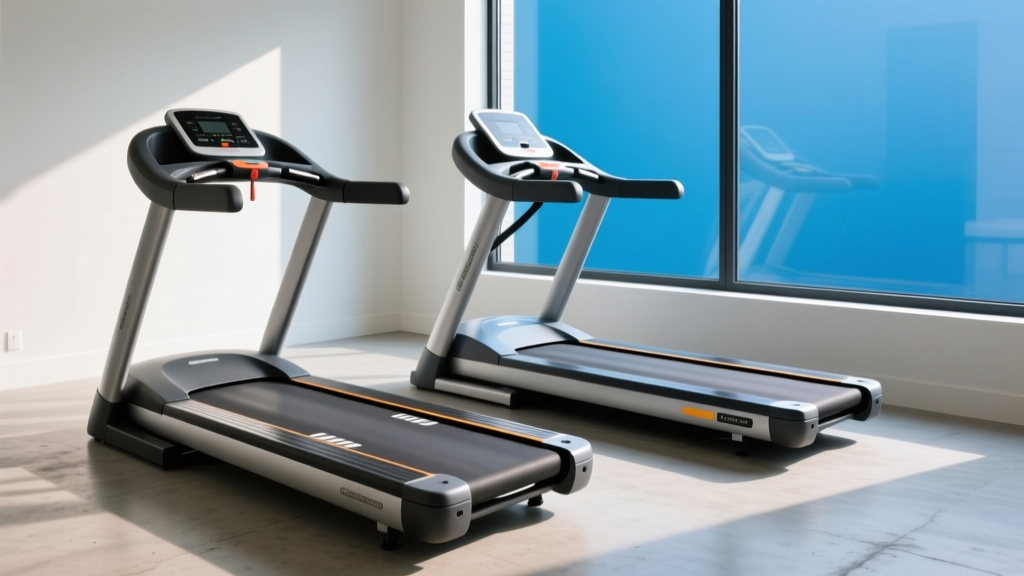
Curved vs Motorized Treadmill: Why Your Treadmill Trips GFCI Outlets
