
Standard vs Olympic Plates for Beginner Dumbbell Workouts
Compare Olympic vs standard weight plates. This step-by-step guide helps you choose the best gear to maximize your beginner dumbbell workouts at home.

The Great Debate: 1-Inch Standard vs. 2-Inch Olympic
Building a home gym is one of the most effective investments you can make for your long-term health. As we navigate the fitness equipment landscape in 2026, the market is flooded with options, but every beginner eventually faces the same critical fork in the road: should you buy 1-inch standard weight plates or 2-inch Olympic plates? This decision fundamentally dictates the type of equipment you can use, the maximum weight you can lift, and the overall ergonomics of your training sessions.
While much of the online discourse focuses on barbell training, the choice between standard and Olympic plates profoundly impacts beginner dumbbell workouts. Dumbbells are the cornerstone of early-stage resistance training, offering unilateral benefits and a natural range of motion. However, pairing the wrong plate type with the wrong dumbbell handle can lead to frustration, limited progressive overload, and even safety hazards. This step-by-step guide will walk you through the exact specifications, costs, and biomechanical considerations to help you make the right choice for your home gym.
Quick Sizing & Terminology Guide
- Standard Plates: Feature a 1-inch (25.4mm) center hole. Designed for lightweight, entry-level threaded bars and spin-lock dumbbell handles.
- Olympic Plates: Feature a 2-inch (50.4mm) center hole. The global standard for commercial gyms, competitive lifting, and heavy-duty home rigs.
Step 1: Assessing Your Budget and Initial Investment
The most immediate differentiator between standard and Olympic plates is the cost of entry. For beginners on a strict budget, standard plates offer a tempting low-barrier entry point. A typical 100-pound standard cast-iron plate set with a pair of 14-inch threaded dumbbell handles can be found at big-box sporting goods stores for roughly $120 to $160. This equates to an average cost of $1.20 to $1.60 per pound.
Conversely, Olympic plates require a higher initial capital outlay. A basic 160-pound Olympic cast-iron plate set usually starts around $250 ($1.55/lb), but you must also factor in the cost of the dumbbell handles. Unlike cheap standard spin-locks, high-quality Olympic dumbbell handles—such as the Rogue Machined Olympic Dumbbell Handle or the Titan Fitness Olympic Dumbbell Handle—cost between $85 and $140 each. Therefore, building a pair of 50-pound Olympic dumbbells from scratch will cost upwards of $350 to $450.
The Verdict for Step 1: If your total equipment budget is under $250, standard plates will get you moving. If you have $500+ to invest in a long-term setup, Olympic is the superior financial choice due to its resale value and durability.
Step 2: Matching Plates to Beginner Dumbbell Workouts
When programming beginner dumbbell workouts, movements like goblet squats, Romanian deadlifts (RDLs), dumbbell floor presses, and lateral raises require a secure grip and manageable implement size. The physical dimensions of your plates directly alter the biomechanics of these exercises.
The "Bulky Hub" Problem in Olympic Dumbbells
One of the most overlooked aspects of Olympic plates is the size of the center hub. Because the hole must accommodate a 2-inch sleeve, even a lightweight 10-pound Olympic cast-iron plate has a massive, thick metal hub. When you slide two 10-pound plates and a 5-pound plate onto an Olympic dumbbell handle, the physical width of the plates pushes your hands outward, and the bulky hubs can dig into your thighs during RDLs or clash together during close-grip floor presses.
Standard plates, with their petite 1-inch hubs, sit much closer to the handle's collar. This creates a more compact, traditional dumbbell feel that is highly beneficial for isolation movements. According to biomechanics principles outlined by the American Council on Exercise (ACE), maintaining a natural wrist and elbow alignment is crucial for beginners to prevent joint strain. If your beginner dumbbell workouts heavily feature lateral raises, triceps extensions, and bicep curls, standard plates (or dedicated adjustable dumbbells like PowerBlocks) offer superior ergonomics compared to bulky, plate-loaded Olympic dumbbells.
Step 3: Understanding Progressive Overload and Sleeve Limits
Progressive overload—the gradual increase of stress placed upon the body during training—is the primary driver of muscle hypertrophy and strength gains. This is where standard plates reveal their fatal flaw: sleeve length limitations.
A standard 14-inch dumbbell handle typically features a threaded sleeve that is only 6.5 inches long. Because standard 10-pound plates are relatively thick (often around 1.25 to 1.5 inches each), you can physically only fit about three or four 10-pound plates on the sleeve before you run out of threads to secure the spin-lock nut. This hard-caps your maximum dumbbell weight at roughly 45 to 55 pounds per hand.
For a true novice, 50-pound dumbbells might seem like a distant goal. However, for compound lower-body movements like dumbbell Bulgarian split squats or heavy RDLs, an active beginner will outgrow 50-pound dumbbells within 6 to 12 months. Once you max out the sleeve space on a standard handle, you cannot add more weight, forcing you to completely replace your equipment.
Comparison Matrix: Standard vs. Olympic Dumbbell Setups
| Feature | Standard (1-Inch) | Olympic (2-Inch) |
|---|---|---|
| Handle Cost (Pair) | $30 - $50 (Spin-lock) | $170 - $280 (Solid Hex) |
| Plate Cost per Pound | ~$1.50/lb (Cast Iron) | ~$2.00/lb (Cast Iron) |
| Max Weight per DB | ~45 - 55 lbs (Sleeve limit) | 100+ lbs (Depending on handle) |
| Ergonomics | Compact, great for isolation | Bulky hubs, better for heavy compounds |
| Gym Compatibility | Rare in commercial gyms | Universal standard globally |
Step 4: Material and Durability Considerations
Beyond the hole diameter, the material of your plates dictates the noise level, floor safety, and longevity of your gear. When browsing the Rogue Fitness Plate Collection or similar premium retailers, you will notice three primary material categories:
- Raw Cast Iron: The most affordable and durable option. Standard and Olympic iron plates will easily outlast the user. However, they are prone to surface rust if kept in a humid garage gym and will chip concrete floors if dropped.
- Rubber-Coated / Neoprene: Common in standard plate sets. The rubber coating reduces noise and protects floors, but cheap rubber emits a strong, lingering chemical odor (off-gassing) that can make a small home gym unbearable. Furthermore, the 1-inch rubber-coated standard plates often have poorly molded center holes, requiring you to scrape out excess rubber just to fit them onto your dumbbell handle.
- Urethane (Olympic Only): The premium choice for Olympic plates. Urethane is virtually odorless, highly resistant to scratching and UV degradation, and features a tighter tolerance on the 2-inch hub, meaning they slide onto Olympic dumbbell handles smoothly without rattling.
⚠️ Warning: The Adapter Sleeve Trap
Many beginners attempt to "hack" their system by buying cheap standard plates and using a metal "Olympic-to-Standard" adapter sleeve to fit them onto an Olympic barbell or dumbbell. Do not do this for dumbbells. Adapters add unnecessary length to the sleeve, shifting the center of gravity outward and creating dangerous rotational inertia during movements like dumbbell chest presses. Always match the plate hole directly to the handle sleeve diameter.
Step 5: Future-Proofing Your Home Gym
If your ultimate goal is to transition from beginner dumbbell workouts to heavy barbell compound lifting (squats, deadlifts, bench presses), purchasing Olympic plates from day one is the only logical path. Standard barbells max out around 200-250 pounds before the sleeves are full, and the 1-inch diameter bars flex dangerously under heavy loads. Olympic bars (which weigh a standard 45 lbs) and plates allow you to safely scale your strength into the hundreds of pounds.
However, if your fitness journey is strictly focused on general conditioning, light hypertrophy, and high-repetition dumbbell circuits, a high-quality standard spin-lock dumbbell set paired with cast-iron standard plates remains a highly effective, space-saving, and budget-friendly solution.
Frequently Asked Questions (FAQ)
Can I use Olympic plates on standard dumbbell handles?
No. The 2-inch hole of an Olympic plate will not fit onto a 1-inch standard dumbbell sleeve. There is no safe or practical adapter to shrink an Olympic plate's hole for a standard handle.
Are standard plates obsolete in 2026?
Not entirely. While commercial gyms and serious powerlifters exclusively use Olympic gear, standard plates remain highly relevant for budget-conscious home gym owners, apartment dwellers needing lighter adjustable dumbbells, and those focusing strictly on upper-body isolation movements where the compact size of standard plates shines.
What is the best plate type for goblet squats?
For goblet squats, a single heavy dumbbell is held vertically against the chest. An Olympic dumbbell loaded with plates can become excessively wide and bulky due to the large hubs, making it difficult to hold securely. Standard plates, or a dedicated adjustable dumbbell with a blocky design (like a PowerBlock), often provide a more secure and comfortable grip for this specific movement.
How much weight should a beginner start with?
According to guidelines from the National Strength and Conditioning Association (NSCA), beginners should start with a weight that allows them to complete 8 to 12 repetitions with perfect form, leaving 1 or 2 reps "in the tank" at the end of the set. For most upper-body beginner dumbbell workouts, this translates to starting with 10 to 20-pound dumbbells, making a basic standard plate set an adequate starting point before upgrading to Olympic gear.
More gear to consider
All reviews
Cast Iron vs Competition Kettlebells and 18 Pound Dumbbells Review

Rubber Hex vs Urethane Dumbbells for the Dumbbell Rear Delt Flye
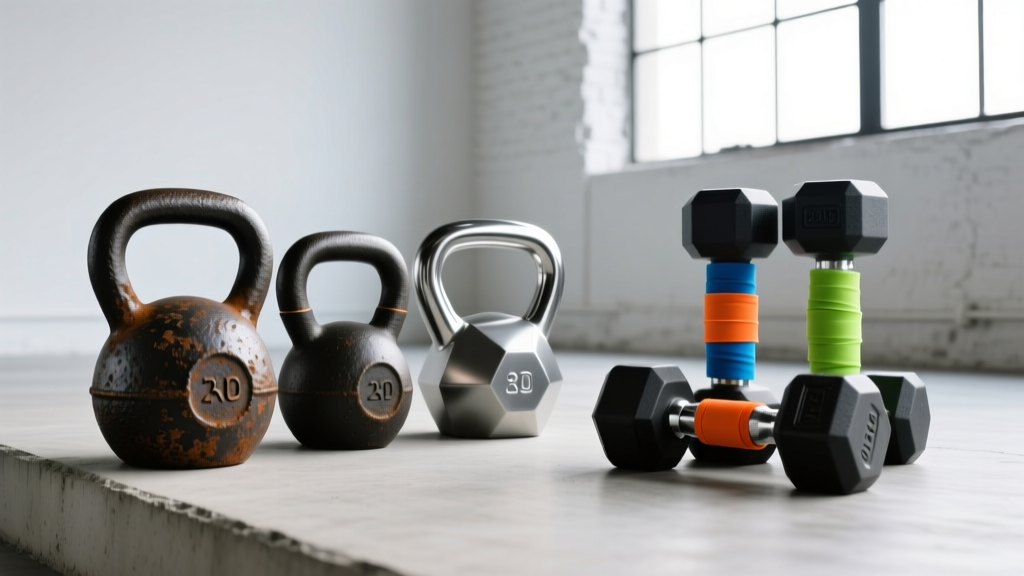
Cast Iron vs Competition Kettlebells + Adding Resistance Bands to Dumbbells
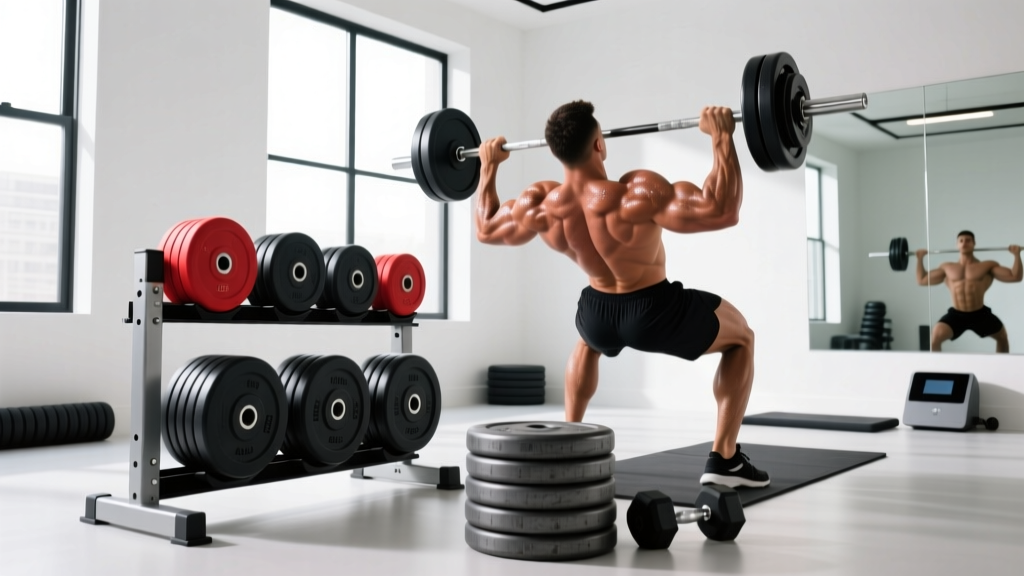
Bumper vs Iron: 2026 Trends & Dumbbell Pendlay Row Muscles Worked

Power Rack vs Squat Stand: Dumbbell Exercises for Arms for Ladies
