
Do You Burn More Calories on StairMaster or Treadmill? 2026 Guide
We answer if you burn more calories on a StairMaster or treadmill, then dive into our 2026 in-depth buying guide for the best home stair climber machines.

The Calorie Showdown: StairMaster vs. Treadmill
The debate over do you burn more calories on stairmaster or treadmill is one of the most common questions we receive at FitGearPulse. The short answer? It depends entirely on your treadmill's incline and your pace, but the stair climber almost always wins for sustained, low-impact calorie expenditure. To understand why, we have to look past the marketing displays on gym consoles and examine the metabolic equivalent of task (MET) data.
Understanding MET Values
One MET is the energy you expend while sitting quietly. According to the Harvard Health Publishing calorie charts and the Compendium of Physical Activities:
- Walking on a flat treadmill (3.5 mph): ~3.8 METs
- Stair Climbing (General/Moderate Pace): ~9.0 METs
- Running on a treadmill (6.0 mph): ~9.8 METs
- Treadmill at 15% Incline (3.0 mph): ~11.0 METs
As the data shows, a stair climber burns roughly 136% more calories than walking on a flat treadmill. To match the calorie burn of a moderate stair climbing session on a treadmill, you must either run at a 6-minute-per-mile pace (which introduces high-impact joint stress) or crank the incline to 12-15% (which heavily shifts the load to the calves and Achilles tendon). The stair climber achieves this 9.0 MET output while keeping your feet planted, eliminating the repetitive ground-strike impact associated with running.
Why Choose a Stair Climber for Home Use in 2026?
While commercial gyms have the square footage for massive, 7-foot-tall revolving staircases (like the iconic StairMaster StepMill), home gym enthusiasts in 2026 are leaning toward hybrid climbers, freestride trainers, and heavy-duty mini-steppers. The Cleveland Clinic notes that stair climbing is uniquely effective for building bone density and targeting the gluteus maximus and quadriceps without the eccentric muscle damage caused by downhill running or flat-surface pounding.
Furthermore, modern home stair climbers offer a vastly superior vertical-to-horizontal space ratio. A standard treadmill requires a 70-inch long footprint, dominating a room. A vertical climber or hybrid stepper achieves the same cardiovascular output in a footprint often smaller than 30 by 30 inches.
The 'Ceiling Clearance' Trap: A Critical Home Buying Metric
The number one reason home stair climbers are returned or sold on the second-hand market within 90 days is ceiling height miscalculation. When you step onto a stair climber, the pedal mechanism elevates your baseline height by 10 to 18 inches. If you are doing a high-step hybrid climb, your head will be even closer to the ceiling.
The FitGearPulse Clearance Formula:
User Height + Machine Peak Step-Up Height + 4-Inch Safety Buffer = Minimum Ceiling Height.
Example: A 6'0" user (72") on a machine with a 15" step-up requires an 87" (7'3") minimum ceiling. If you are finishing a basement with 7'0" ceilings, a full-size vertical climber will result in head strikes during vigorous intervals.
2026 Home Stair Climber Comparison Matrix
Below is our curated comparison of the top-performing home stair climbers and steppers for 2026, categorized by footprint, resistance type, and spatial requirements.
| Model | Type & Resistance | Footprint (L x W) | 2026 Price Range | Min. Ceiling Req. |
|---|---|---|---|---|
| Bowflex Max Trainer M9 | Hybrid Climber / Magnetic | 51" x 30" | $2,299 | 6'4" |
| NordicTrack FS14i | Freestride / Magnetic Flywheel | 59" x 30" | $2,499 | 7'2" |
| Xiser Commercial Mini | Mini-Stepper / Hydraulic | 14" x 14" | $399 | N/A (Floor Level) |
| Sunny Health SF-S901050 | Heavy-Duty Stepper / Hydraulic | 17" x 14" | $119 | N/A (Floor Level) |
Decoding the Resistance Systems
When evaluating these machines, the resistance mechanism dictates both the feel of the workout and the long-term maintenance. Magnetic resistance (found in the Bowflex and NordicTrack) uses eddy currents to create drag against a flywheel. It is whisper-quiet, requires zero physical contact between moving parts, and offers seamless micro-adjustments via digital consoles. Hydraulic resistance (found in the Xiser and Sunny Health models) relies on fluid being forced through a valve inside a cylinder. While highly compact, hydraulic fluid viscosity changes with temperature, meaning your first 5 minutes of stepping will feel noticeably stiffer than your last 5 minutes as the fluid heats up and thins out.
Mechanical Failure Modes & Edge Cases
As domain experts, we don't just test machines when they are brand new; we track how they degrade over 500+ hours of use. Here are the specific failure modes you must watch for when buying a home stair climber:
- Hydraulic O-Ring Blowouts (Budget Steppers): In sub-$200 hydraulic steppers, the intense heat generated by continuous friction can degrade the internal rubber O-ring seals. If you weigh over 220 lbs and plan to do 45+ minute LISS (Low-Intensity Steady State) sessions, the cylinders will likely leak viscous fluid onto your floor within 6 to 8 months. Fix: Limit hydraulic stepper sessions to 20-minute HIIT bursts, or upgrade to a commercial-grade Xiser.
- Pedal Grip Degradation: Sweat is highly corrosive and contains salts that break down cheap rubber and plastic pedal treads. On mid-tier machines, the grip tape or molded plastic teeth will smooth out, creating a severe slip hazard during high-cadence intervals. Look for machines with replaceable, textured aluminum pedal plates or deep-groove thermoplastic elastomer (TPE) treads.
- Drive Belt Slippage (Hybrid Climbers): In vertical climbers that use a belt-and-pulley system rather than a chain drive, the belt can stretch over time. If your machine begins to 'skip' or jerk at the top of the stride, the internal tensioner pulley needs manual adjustment—a process that requires removing the side shroud and using an Allen wrench to reset the tension bracket.
Final Verdict: Which Machine Wins Your Floor Space?
If your primary goal is maximizing calorie burn per minute while preserving your knee and hip joints, the stair climber is the undisputed champion over the flat treadmill. However, your home environment will dictate your purchase.
For homes with standard 8-foot or 9-foot ceilings and dedicated gym spaces, the Bowflex Max Trainer M9 remains our top 2026 recommendation. Its hybrid step-elliptical motion bypasses the extreme ceiling clearance issues of pure vertical climbers while delivering the 9.0+ MET output necessary for rapid caloric expenditure. For apartment dwellers or those with low basement ceilings, the Xiser Commercial Mini Stepper is the only hydraulic unit we trust to withstand heavy, daily abuse without catastrophic seal failure. Skip the treadmill if space is at a premium, measure your ceilings twice, and invest in the vertical climb.
More gear to consider
All reviews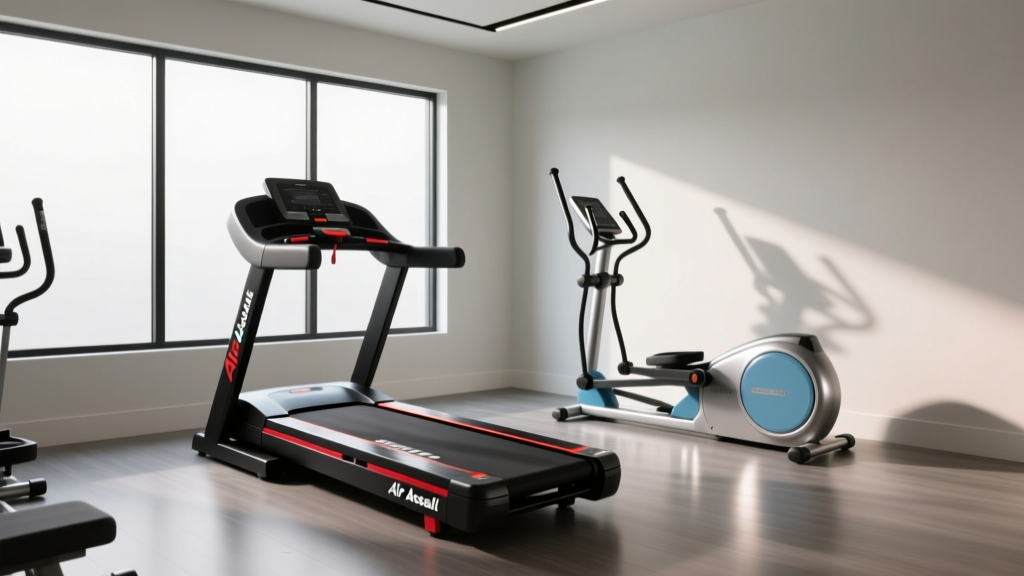
Elliptical vs Treadmill Space: Air Assault Treadmill Layout Guide

Can You Train for a Half Marathon on a Treadmill? A Noise Test

Treadmill Belt Lubrication vs Treadmill Rollers Replacement Costs

NordicTrack Treadmill Parts Diagram & 2026 Under Desk Office Trends
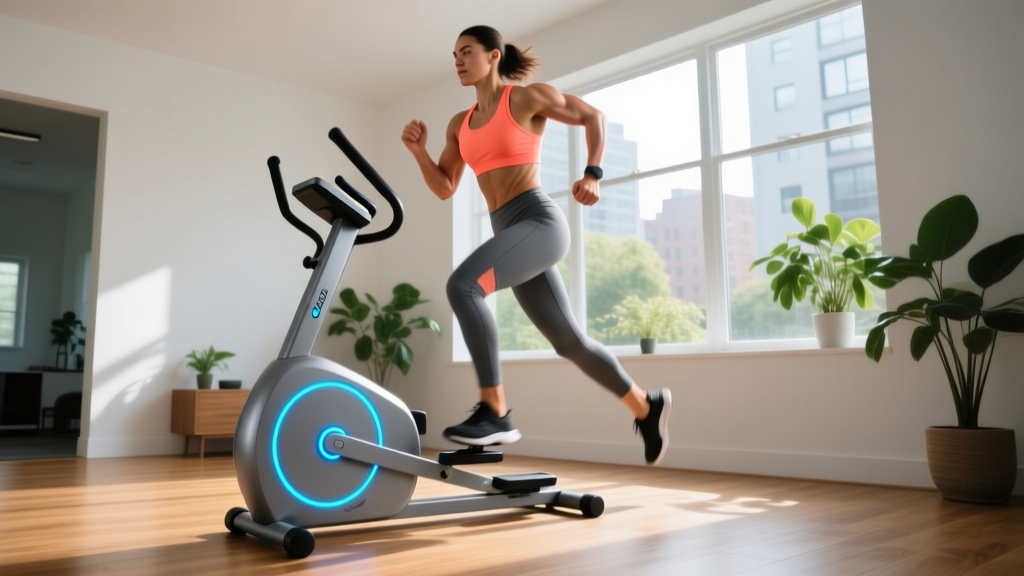
Why Is Running Outside Harder Than Treadmill? 2026 Portable Cardio
