
Stair Climber vs Treadmill for Lower Belly Fat: Beginner Guide
Discover why a stair climber beats a treadmill for lower belly fat. Get our beginner step-by-step home setup, buying matrix, and 4-week protocol.

The Home Cardio Dilemma: Vertical Steps vs. Horizontal Belts
Many beginners start their fitness journey searching for the best treadmill for lower belly fat, assuming that endless hours of walking on an incline will melt away their midsection. While treadmills are excellent cardiovascular tools, they fall short in one critical area: unilateral core stabilization. When building a home gym in 2026, the stair climber presents a compelling, space-saving alternative that triggers a higher metabolic response and demands deeper engagement from your deep core musculature.
Before diving into the step-by-step guide, it is vital to address a universal truth in exercise science. According to the Mayo Clinic, spot reduction—losing fat in one specific area like the lower belly by exercising that body part—is a myth. Fat loss occurs systemically through a caloric deficit. Therefore, the 'best' machine for lower belly fat is simply the one that maximizes your total caloric expenditure and core muscle recruitment while fitting seamlessly into your home environment. Here is how the stair climber achieves this better than the treadmill.
Step 1: Choosing Your Home Stair Climber (2026 Buyer's Matrix)
Unlike commercial gyms that house massive StepMills, home users must balance footprint, budget, and biomechanics. Below is a breakdown of the three primary stair climber categories for home use, featuring specific 2026 market models.
| Machine Type | Top 2026 Model Example | Approx. Price | Footprint (L x W) | Best For |
|---|---|---|---|---|
| Mini-Stepper (Hydraulic) | Sunny Health & Fitness SF-S902021 | $150 - $180 | 19.3' x 16.5' | Small apartments, beginners on a strict budget. |
| Vertical Climber (Bodyweight) | MaxKare Vertical Climber | $200 - $250 | 33' x 24' | Full-body engagement, high-intensity interval training. |
| Pedal Climber (Motorized) | Bowflex Max Trainer M9 | $2,299 | 49' x 30.5' | Premium home gyms, joint-friendly variable resistance. |
Expert Insight: If you are transitioning from a treadmill, motorized pedal climbers or high-tension hydraulic mini-steppers will mimic the continuous lower-body endurance you are used to, while forcing your core to work harder to maintain an upright, unsupported posture.
Step 2: Mastering the Biomechanics and the 'No-Lean' Rule
When you walk on a treadmill, the motorized belt pulls your trailing leg backward, reducing the demand on your hip flexors and core stabilizers. On a stair climber, you must generate 100% of the vertical force to lift your body weight against gravity. This vertical force production requires your transverse abdominis (the deep corset muscle of the lower belly) to fire continuously to prevent your pelvis from tilting anteriorly.
⚠️ Critical Failure Mode: The Handrail Hang
The most common beginner mistake on any stair climber is gripping the handrails and leaning backward. This 'handrail hang' shifts up to 30% of your body weight onto your upper body, drastically reducing caloric burn and completely disengaging your lower core. The Fix: Rest only your fingertips lightly on the rails for balance. Your torso should be hinged slightly forward (about 5 to 10 degrees) from the ankles, not the waist, keeping your lower abdominals braced as if preparing for a light punch.
Step 3: Your 4-Week Beginner Core-Focused Protocol
To replace your treadmill sessions with a stair climber routine designed to maximize systemic fat loss and core endurance, follow this progressive 4-week protocol. This assumes you are using a standard mini-stepper or motorized pedal climber.
| Week | Session Length | Pace / SPM | Core Cue | Frequency |
|---|---|---|---|---|
| Week 1 | 10 Minutes | 60-70 SPM (Slow/Steady) | Brace abs at the top of each step | 3x / week |
| Week 2 | 15 Minutes | 70-80 SPM (Moderate) | Release handrails for 30-sec intervals | 3x / week |
| Week 3 | 20 Minutes | Intervals: 1 min fast / 1 min slow | Drive through the heel, squeeze glute | 4x / week |
| Week 4 | 25 Minutes | 80-90 SPM (Sustained Output) | Hover hands above rails; balance focus | 4x / week |
Note: SPM stands for Steps Per Minute. On hydraulic mini-steppers, monitor your cadence using a smartwatch or the built-in digital monitor.
Step 4: Metabolic Output and Caloric Demand
Why make the switch from a treadmill? The metabolic equivalent of task (MET) dictates how much oxygen—and therefore energy—your body uses. Walking on a flat treadmill at 3.0 mph sits at roughly 3.5 METs. Even at a 10% incline, it only reaches about 8.0 METs. Continuous stair climbing, however, operates between 9.0 and 12.0 METs depending on your speed and body weight.
According to data published by Harvard Health Publishing, a 155-pound person will burn approximately 216 calories in 30 minutes of general treadmill walking, but will burn upwards of 324 calories using a stair stepper for the same duration. Over a 12-week period, this 50% increase in energy expenditure creates a significantly larger caloric deficit, which is the actual physiological driver of reducing lower belly fat.
Step 5: Troubleshooting Edge Cases and Joint Pain
Transitioning to vertical stepping can expose muscular imbalances that the treadmill belt previously masked. Here is how to troubleshoot common beginner edge cases:
- Knee Valgus (Knees caving inward): This indicates weak gluteus medius muscles. Solution: Place a light resistance band just above your knees while using a mini-stepper to force external rotation and proper knee tracking over your second toe.
- Achilles and Calf Tightness: Unlike a treadmill where your heel strikes and rolls, stair climbers keep you on the balls of your feet. Solution: Perform a 2-minute eccentric calf stretch on the edge of a stair immediately post-workout to maintain ankle dorsiflexion mobility.
- Lower Back Fatigue: If your lower back burns before your legs or core, you are likely hyperextending your lumbar spine to compensate for weak hip flexors. Solution: Perform 'dead bug' core exercises on the floor prior to your stair session to pre-activate the deep core and lock your pelvis into a neutral position.
Summary: Making the Right Choice for Your Home
If your primary goal is leisurely walking while watching television, a treadmill remains a solid choice. However, if you are specifically targeting systemic fat loss (including the stubborn lower belly region) and want to maximize core stabilization in a compact home footprint, the stair climber is biomechanically superior. By selecting the right machine for your space, strictly avoiding the handrail hang, and following a progressive SPM protocol, you will trigger a higher metabolic response and build a more resilient, functional core in 2026.
More gear to consider
All reviews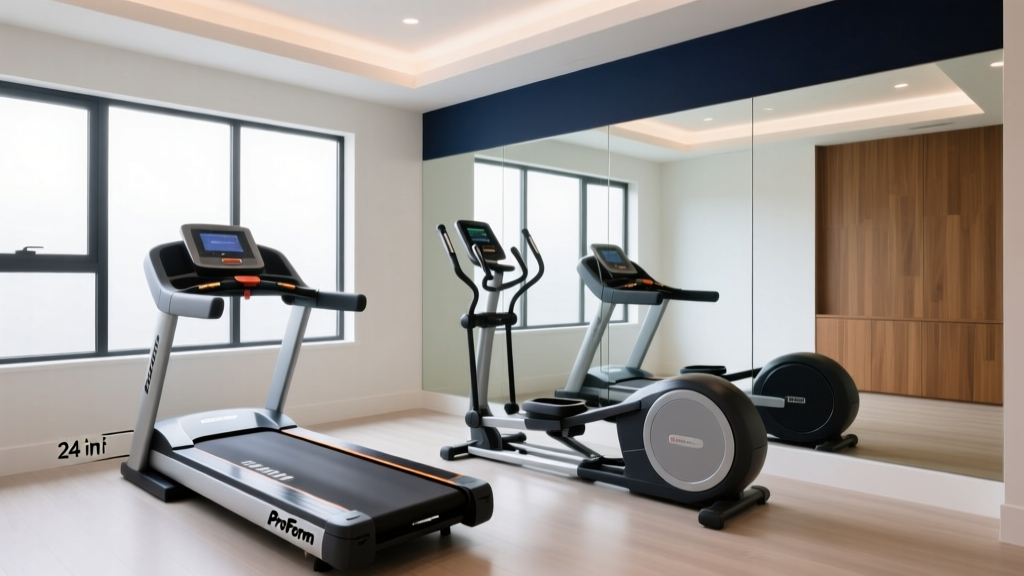
ProForm 14.0 Treadmill vs Ellipticals: Home Space Layout Guide

Under Desk Treadmill Review & Silicone Spray for Treadmill Longevity
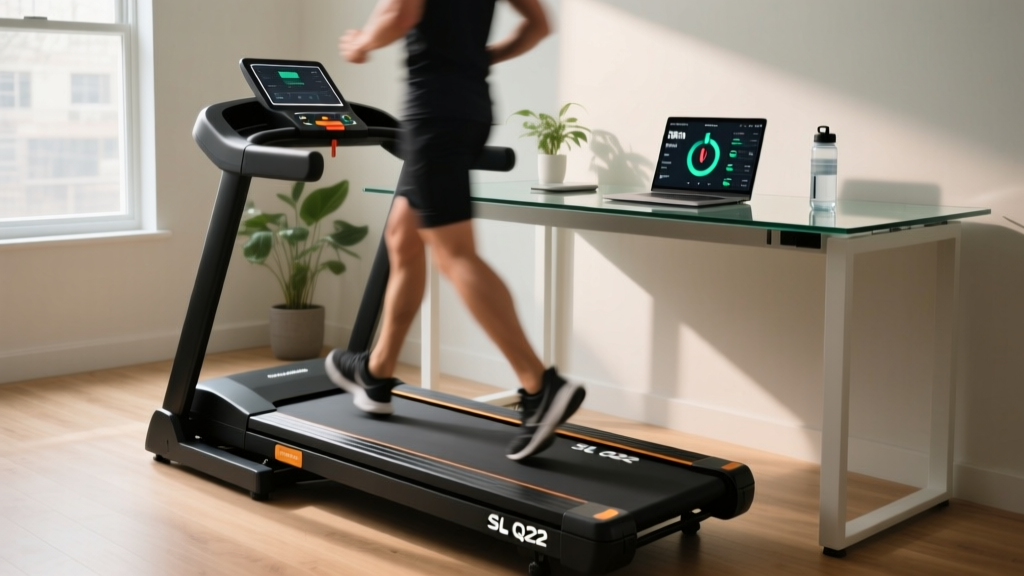
SL Q22 Treadmill Review: Budget Under-Desk Value Analysis

Trainer 720 Treadmill Belt Care: 2026 Market Trends

Stair Climber Machine for Home Use Guide vs Treadmills for Heavy Users
