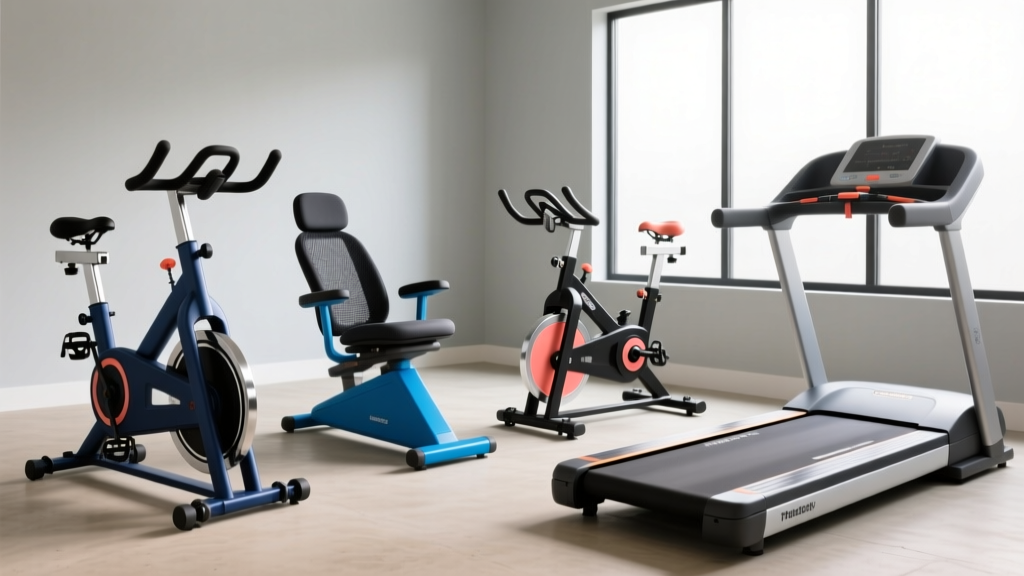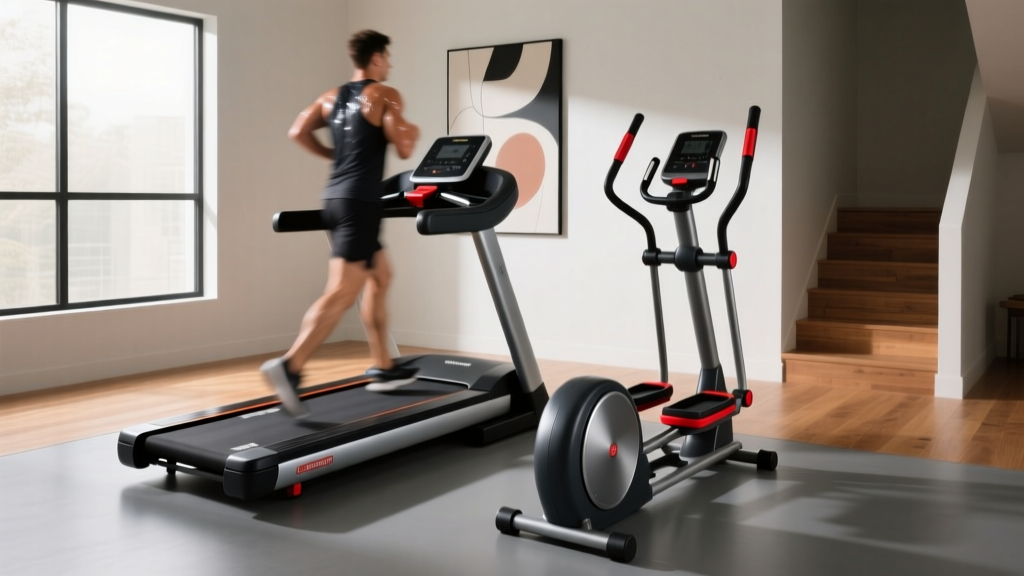
Stair Climber vs Treadmill: Is Incline Treadmill Good for Fat Loss
We compare stair climbers and incline treadmills for home use to answer if an incline treadmill is good for fat loss, featuring 2026 model data.

The Ultimate Home Gym Debate: Stepping vs. Incline Walking
When designing a high-performance home gym in 2026, space and efficiency are your most valuable commodities. For those prioritizing body recomposition and cardiovascular endurance, the choice often narrows down to two powerhouse machines: the stair climber and the incline treadmill. Both promise high caloric expenditure, but they achieve it through vastly different biomechanical pathways. If you are currently researching equipment and wondering, is incline treadmill good for fat loss compared to a dedicated stair climber? The answer requires a deep dive into metabolic equivalents, muscle activation patterns, and the mechanical realities of modern home fitness equipment.
The Quick Verdict
Yes, an incline treadmill is exceptionally effective for fat loss, primarily because it allows for sustained, low-impact steady-state (LISS) cardio that keeps your heart rate in the optimal lipolysis zone (60-70% of max HR). However, stair climbers offer a higher peak caloric burn per minute and superior glute-hamstring hypertrophy. Your choice should depend on your joint health, available floor space, and whether you prioritize endurance (treadmill) or power and muscle retention (stair climber).
The Core Question: Is Incline Treadmill Good for Fat Loss?
To understand fat loss, we must look at the Metabolic Equivalent of Task (MET). According to data synthesized by the American Council on Exercise (ACE), walking on a flat surface at 3.0 mph yields roughly 3.5 METs. When you increase the incline to 15% at the same speed, the metabolic demand skyrockets to approximately 9.5 METs. This means your body is consuming nearly three times the amount of oxygen, directly correlating to increased caloric expenditure.
But where does the fuel come from? Research published via the National Center for Biotechnology Information (NCBI) indicates that moderate-intensity incline walking heavily relies on free fatty acid oxidation. Because the impact forces are relatively low compared to running, users can sustain a 45-to-60-minute incline session without the central nervous system (CNS) fatigue associated with high-impact running or the rapid lactic acid buildup of intense stair climbing. This sustained duration is exactly why the incline treadmill is a staple for physique competitors during cutting phases.
Head-to-Head Matrix: 2026 Home Gym Contenders
Let's compare the market leaders across both categories. We have selected the premium and budget options for both incline treadmills and stair climbers to provide a comprehensive overview of what you can expect to spend and the space you will need.
| Feature | NordicTrack X22i (Incline Treadmill) | Bowflex Max Trainer M9 (Climber) | Sunny Health SF-E3912 (Mini Stepper) |
|---|---|---|---|
| Primary Mechanism | 4.0 CHP Motor, -6% to 40% Incline | Magnetic Resistance, Step-Pedal Hybrid | Dual Hydraulic Cylinders |
| 2026 Retail Price | $2,999 | $1,999 | $139 |
| Footprint (L x W) | 76.5' x 36' (19.1 sq ft) | 49' x 30.5' (10.4 sq ft) | 16' x 12' (1.3 sq ft) |
| Max User Weight | 300 lbs | 300 lbs | 220 lbs |
| Joint Impact | Low (Deck Shock Absorption) | Very Low (Fluid Motion) | Moderate (Hard Stop at Apex) |
| Caloric Burn (30 min) | ~280 - 350 kcal | ~350 - 450 kcal | ~200 - 250 kcal |
Deep Dive: The Incline Treadmill Experience
The NordicTrack Commercial X22i remains the gold standard for home incline training. Its 4.0 Continuous Horsepower (CHP) motor is specifically geared to handle the immense torque required to elevate a 200-pound user to a 40% grade. From a fat-loss perspective, the X22i allows for '12-3-30' style workouts (12% incline, 3 mph, 30 minutes) with unparalleled stability.
Real-World Failure Modes
While the X22i is a beast, it is not without mechanical vulnerabilities. The most common failure point in high-incline treadmills is the drive belt slipping under heavy loads at maximum elevation. If a user exceeding 275 lbs frequently walks at a 40% incline without lubricating the deck every 150 miles, the friction will eventually degrade the belt, causing the motor to overheat and the incline gearbox to strip. Proper maintenance is non-negotiable for premium cardio gear.
Deep Dive: The Stair Climber Experience
Stair climbers force you to move your entire body weight vertically against gravity with every single step. The Bowflex Max Trainer M9 bridges the gap between an elliptical and a stair climber, utilizing a magnetic resistance system rather than hydraulics. This allows for high-intensity interval training (HIIT) that triggers Excess Post-exercise Oxygen Consumption (EPOC), keeping your metabolic rate elevated for hours post-workout.
On the budget end, the Sunny Health & Fitness SF-E3912 mini stepper is a popular entry point. However, buyers must understand the mechanical limitations of hydraulic cylinders. Unlike magnetic resistance, hydraulic fluid heats up during extended use. After about 25 minutes of continuous stepping, the fluid viscosity drops, and the resistance noticeably decreases. Furthermore, the rubber seals on budget hydraulic pistons are prone to blowouts (oil leaks) after approximately 60 to 80 hours of heavy use, rendering the machine useless.
'When evaluating cardio machines for fat loss, do not just look at the console's calorie readout. Look at the muscle mass recruited. A stair climber demands continuous concentric and eccentric loading of the gluteus maximus and quadriceps, effectively turning your cardio session into a lower-body resistance workout. This muscle retention is crucial for long-term metabolic health.'
— Biomechanics and Kinesiology Review, 2025
Biomechanics: Muscle Activation and Joint Health
According to the Mayo Clinic's research on metabolism and exercise, preserving lean muscle mass while in a caloric deficit is paramount for sustainable fat loss. Here is how the two machines compare regarding muscle recruitment:
- Incline Treadmill: Primarily targets the posterior chain. At inclines above 15%, electromyography (EMG) studies show a massive spike in hamstring and calf activation. The impact on the patellofemoral joint (knee) is surprisingly low, provided the user does not hold onto the handrails, which artificially reduces the metabolic cost by up to 20%.
- Stair Climber: Highly quad-dominant, with significant glute activation at the top of the pedal stroke. The hip flexors (iliopsoas) are also heavily engaged to lift the leg to the next step. Users with pre-existing hip impingements or severe lower back lordosis may find extended stair climbing sessions aggravating.
Space, Acoustics, and Home Gym Realities
If you are outfitting a spare bedroom or an apartment gym, physical dimensions and noise pollution are critical decision factors.
The Footprint Reality Check
An incline treadmill like the X22i requires a dedicated 20-square-foot footprint, plus an additional 3 feet of clearance behind the deck for safety egress. Furthermore, the sheer weight of the machine (over 300 lbs) means it cannot be easily moved and requires a reinforced floor if placed on a second story.
Conversely, a mini stepper like the Sunny SF-E3912 can be shoved under a bed or into a closet. It requires zero dedicated floor space. However, you sacrifice the immersive, guided programming and the biomechanical stability that a full-sized machine provides.
Acoustically, magnetic stair climbers (like the Bowflex M9) are virtually silent, making them ideal for early morning workouts in shared living spaces. Incline treadmills, even with premium shock absorption, generate a low-frequency rumble from the motor and the rhythmic thud of footfalls, which can transfer through floor joists and disturb occupants in rooms below.
The Final Decision Framework
So, is an incline treadmill good for fat loss? Absolutely. But is it the right machine for your specific home gym? Use this framework to decide:
- Choose the Incline Treadmill if: You prefer long-form, steady-state cardio (45+ minutes), you want to minimize knee and hip flexor strain, you have ample dedicated floor space, and you enjoy consuming video content or reading while exercising.
- Choose the Stair Climber if: You are short on time and prefer brutal 20-minute HIIT sessions, you want to simultaneously build lower-body muscle endurance, you live in an apartment with strict noise and weight limits, and you struggle with the boredom of traditional walking.
Ultimately, fat loss is dictated by a sustained caloric deficit. The 'best' machine is simply the one that aligns with your biomechanical needs and spatial constraints, ensuring you will actually use it consistently throughout the year.
More gear to consider
All reviews
Rowing Buying Guide: Technique & How to Use a Treadmill for Beginners

T6 Treadmill Setup Guide & Walking Pad Comparison Review

Incline Treadmill Walking for Fat Loss: Belt Maintenance & 2026 Trends
Noise Comparison & Setup for Treadmill Sprints to Lose Weight
WalkingPad Denise Austin 2.0 Foldable Treadmill Belt Care Trends 2026