
Stair Climber Guide: Freerunner Treadmill Myths & Troubleshooting
Master your home gym with our stair climber guide. Learn setup tips, troubleshoot common errors, and see how it compares to a freerunner treadmill.

The 2026 Home Cardio Dilemma: Vertical Steppers vs. Curved Runners
Outfitting a home gym in 2026 requires a strategic approach to floor space, ceiling clearance, and biomechanical goals. When buyers research high-intensity cardio, the debate frequently narrows down to two distinct categories: the motorized vertical stepper (like the StairMaster SM5000 or Bowflex Max Trainer M9) and the non-motorized curved sprint deck, commonly searched as a freerunner treadmill. While a freerunner treadmill excels at horizontal sprint mechanics and posterior chain engagement without the need for overhead clearance, the stair climber remains the undisputed king of isolated glute activation and low-impact vertical conditioning.
This comprehensive stair climber machine for home use guide will bypass the generic marketing fluff. Instead, we will dissect the most costly setup mistakes, provide a mechanical troubleshooting matrix for modern drive systems, and help you determine which machine actually aligns with your physiological targets and spatial constraints.
Expert Insight: A common buyer's trap is assuming all 'steppers' are created equal. Independent pedal steppers (which allow uneven stepping) mimic real-world stair climbing far better than linked-pedal mini-steppers, which force an unnatural side-to-side weight shift that can aggravate the IT band over time.4 Critical Setup Mistakes Ruining Your Stair Climber Workouts
Even premium machines priced between $2,299 and $3,500 will yield subpar results if user biomechanics and environmental setups are flawed. Avoid these four pervasive errors to maximize your ROI and protect your joints.
1. The 'Death Grip' and Caloric Leakage
Leaning heavily on the handrails transforms a rigorous vertical climb into a sluggish, supported drag. According to research highlighted by the American Council on Exercise (ACE), supporting even 20% of your body weight on the console or handrails can reduce actual caloric expenditure by up to 30%. Furthermore, leaning backward alters the pelvic tilt, shifting the load away from the gluteus maximus and placing undue shear force on the lumbar spine. Fix: Maintain an upright torso, hinge slightly at the hips, and use the rails only for balance, not weight support.
2. The 'Toe-Hang' Error
Allowing your heels to hang off the back of the step while pushing primarily with your toes overloads the calf muscles and Achilles tendon, leading to plantar fasciitis. Fix: Ensure your entire foot, or at least the midfoot to heel, is planted firmly on the step before transferring weight. If your machine's step depth is less than 10 inches, it may be too small for users with a shoe size over US 10.
3. Miscalculating Ceiling Clearance
The most catastrophic home installation mistake is ignoring vertical clearance. A stair climber elevates the user significantly higher than a freerunner treadmill. The Formula: Measure the user's height and add a minimum of 10 to 12 inches. If the primary user is 6'0" (72 inches), your ceiling must be at least 82 inches (6'10") high. Failing to account for the machine's base height (usually 8-10 inches) results in head-strikes at the peak of the stride.
4. Ignoring the Floor Mat and Vibration Dampening
Placing a 250 lb stair climber directly on hardwood or luxury vinyl plank (LVP) flooring without a high-density equipment mat will cause micro-scratches and amplify the low-frequency hum of the alternator. Use a 3/8-inch thick rubber horse stall mat cut to size, which provides superior acoustic dampening compared to cheap PVC mats.
Troubleshooting Matrix: Fixing Mechanical and Console Errors
Modern 2026 stair climbers utilize advanced magnetic eddy-current brakes or heavy-duty alternators. When these machines fail, the issue is rarely the motor itself, but rather the peripheral sensors and drive belts. Use this diagnostic table before calling for an expensive out-of-warranty repair.
| Symptom / Error Code | Probable Cause | 2026 Fix Protocol |
|---|---|---|
| Steps register intermittently or console freezes mid-climb. | Optical sensor misalignment or dust accumulation on the flywheel encoder. | Unplug the unit. Remove the lower shroud. Locate the optical sensor near the main drive pulley. Wipe the encoder disc with isopropyl alcohol and ensure a 2mm gap between the sensor and disc. |
| Steps feel 'sluggish' or the belt slips under heavy load. | Drive belt tension has degraded due to polymer stretching. | Loosen the motor mount bolts. Apply tension until there is exactly 1/2 inch of deflection when pressing the center of the belt. Retighten mount bolts. |
| Console displays 'Alternator Failure' or 'Err 3'. | Worn carbon brushes inside the alternator or a blown bridge rectifier. | Test alternator output with a multimeter (should read 12-14V DC at moderate stepping speed). If dead, replace the carbon brushes ($15 part) before replacing the entire alternator ($250+). |
| Loud grinding or 'clacking' noise at the top of the stride. | Step-chain sag or worn sprocket teeth on the main drive shaft. | Adjust the idler pulley to remove slack from the step-chain. If the chain stretches beyond 1% of its original length, replace the chain and sprocket kit simultaneously. |
Step-by-Step Maintenance Protocol for Longevity
Unlike a freerunner treadmill, which relies heavily on the user's physical force to turn a slat belt and requires minimal internal mechanical maintenance, a motorized stair climber demands a strict preventative care schedule to protect its internal drivetrain.
- Monthly Vacuuming: The internal cooling fan pulls in dust, pet hair, and skin cells. Once a month, remove the side shrouds and use a shop-vac with a brush attachment to clear the alternator vents and optical sensors.
- Quarterly Chain Lubrication: Do not use WD-40. Apply a dry PTFE (Teflon) bicycle chain lubricant to the step-chains. Wet lubricants attract grit, which acts as a lapping compound and will destroy the sprocket teeth within a year.
- Bi-Annual Bolt Torquing: The repetitive vertical impact causes microscopic vibrations that loosen chassis bolts. Every six months, use a torque wrench to check all frame and handrail mounting bolts to the manufacturer's specified Nm (Newton-meter) settings.
- Annual Belt Inspection: Check the main drive belt for micro-cracks on the ribbed side. If glazing or cracking is present, order an OEM replacement immediately to prevent mid-workout snapping.
Biomechanical Benefits: Why the Stair Climber Wins for Hypertrophy
While cardiovascular health can be achieved on any machine—as noted by the Mayo Clinic's guidelines on aerobic exercise—the stair climber offers unique hypertrophic advantages. The continuous concentric and eccentric loading of the gluteus maximus, quadriceps, and calves mimics the mechanics of heavy lunges, but with a fraction of the joint impact.
"When comparing the metabolic cost of curved manual treadmills versus vertical steppers, studies indexed by the National Center for Biotechnology Information (NCBI) show that vertical climbing elicits a higher localized muscle fatigue in the lower extremities, making it superior for lower-body muscular endurance, whereas curved treadmills favor systemic cardiovascular sprint capacity."
Expert Verdict: Which Machine Deserves Your Floor Space?
Choosing between a premium stair climber and a freerunner treadmill ultimately depends on your primary training modality and spatial reality. If your goal is high-intensity interval sprinting, athletic conditioning, and you have low ceilings, the curved manual deck is your best option. However, if your focus is on glute development, low-impact zone 2 cardio, and localized lower-body endurance, the stair climber is unmatched.
By avoiding the setup mistakes outlined above and adhering to the strict troubleshooting and maintenance protocols, your home stair climber will easily survive a decade of daily use, providing a superior return on investment compared to the fleeting fitness trends of the past.
More gear to consider
All reviews
Can You Put a Treadmill on Carpet? 2026 Noise Comparison

Curved vs Motorized: Best Weight Reduction Treadmill for 2026
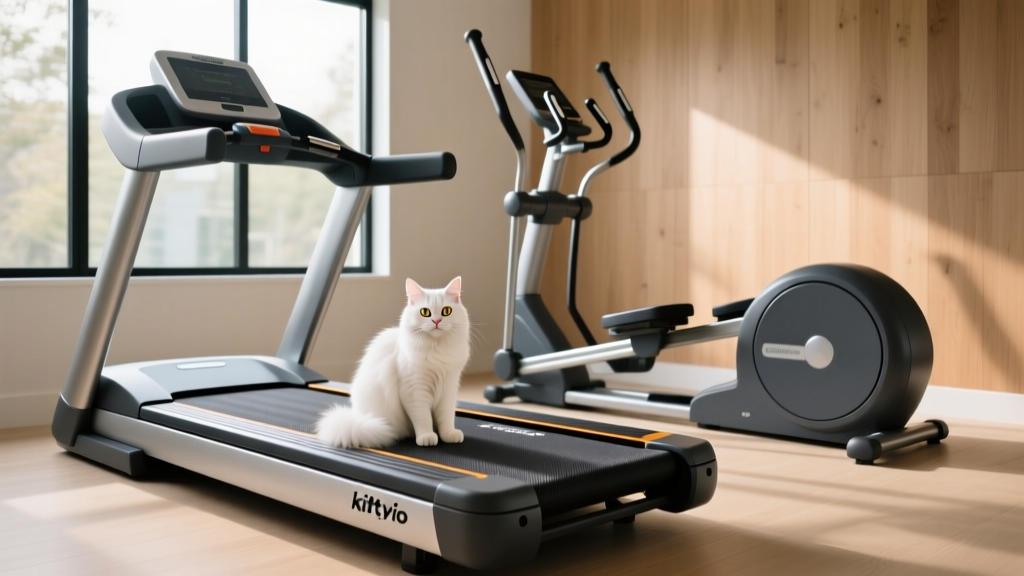
Treadmill vs Elliptical Care: Dealing With a Kitty on Treadmill

Sole F63 Treadmill Weight Limit: Belt Maintenance & Lubrication Guide

Assault vs Air Bike: Beyond What Is a Good Speed to Walk on the Treadmill
