
Compact Home Gym Room Design: Maintenance and Longevity Tips
Maximize your compact home gym room design with expert maintenance tips. Learn how to care for folding racks, adjustable dumbbells, and apartment gear.

The Hidden Maintenance Challenges of Small-Space Gyms
When planning a home gym room design for a small apartment or compact spare bedroom, the primary focus is almost always on spatial efficiency. You measure wall clearances for folding racks, calculate the footprint of adjustable dumbbells, and seek out vertical storage solutions. However, compact equipment endures a unique type of mechanical stress that traditional, full-sized gym gear does not. Folding hinges are subjected to repetitive lateral torque, adjustable weight dials are exposed to household dust, and compact cardio machines are frequently folded and unfolded, stressing their internal wiring and drive belts.
To ensure your investment lasts, your home gym room design must integrate maintenance access and environmental controls directly into the layout. In 2026, with the average cost of premium compact fitness equipment exceeding $2,500, neglecting the specific care requirements of space-saving gear is an expensive mistake. Below is a comprehensive, deep-dive guide into maintaining the longevity of apartment-friendly fitness equipment.
Folding Racks and Wall-Mounted Rigs: Hinge and Hardware Care
Wall-mounted folding racks, such as the PRx Performance Profile or the Rogue RML-390F, are cornerstones of apartment gym setups. They allow you to reclaim 30 to 40 square feet of floor space when not in use. However, the folding mechanism is a primary failure point if neglected.
Hinge Pin Lubrication and Chalk Dust Mitigation
The steel hinge pins on folding racks accumulate microscopic metal shavings, household dust, and lifting chalk. Over time, this creates an abrasive paste that seizes the folding mechanism, making it dangerous to deploy or collapse.
- The Fix: Every 60 days, remove the hinge pins using a standard punch tool and a mallet. Wipe them down with a lint-free cloth and apply a light coat of white lithium grease or 3-in-One oil.
- What to Avoid: Never use standard WD-40. WD-40 is primarily a solvent and water displacer, not a long-term lubricant. It will strip away existing grease and attract more dust.
Lag Bolt Torque and Stud Integrity
Compact wall-mounted rigs rely entirely on the shear strength of lag bolts anchored into wooden wall studs. The repetitive motion of racking and unracking heavy barbells creates dynamic lateral loads that can slowly loosen hardware. Using a torque wrench, check the primary structural lag bolts every three months. For 3/8-inch lag bolts in standard Douglas Fir studs, the target torque is typically between 60 and 70 ft-lbs. If you notice the wall mount shifting even a millimeter during pull-ups, immediately unload the rack and inspect the stud for wood stripping.
Warning: If your apartment features metal studs rather than wood, standard lag bolts will fail under heavy dynamic loads. You must use toggle bolts rated for the specific gauge of your metal studs, or reinforce the wall with interior plywood backing before mounting any folding rack.Adjustable Dumbbells: Protecting the Dial Mechanisms
Adjustable dumbbells like the Bowflex SelectTech 552 or the Nuobell 80lb sets are non-negotiable for small spaces, replacing up to 15 pairs of fixed hex dumbbells. Yet, their internal engineering is highly sensitive to environmental factors and user error.
Dust Ingress and Gear Stripping
The dial mechanisms on adjustable dumbbells utilize internal ABS plastic gears and steel selector rods. In an apartment environment, airborne dust and pet dander easily settle into the crevices of the dumbbell trays. When you place the dumbbell back into the cradle, this debris is pushed into the dial mechanism, causing the plastic gears to grind and eventually strip.
- Cover Them Up: Invest in neoprene or microfiber dumbbell covers. Leaving the dial mechanisms exposed to ambient apartment dust is the leading cause of premature failure.
- Never Drop Them: This sounds obvious, but adjustable dumbbells lack the solid iron core of fixed weights. Dropping a Nuobell or Bowflex dumbbell from even waist height can misalign the internal selector rod or shatter the plastic housing, resulting in a $150 to $180 replacement cost for a single handle.
For more insights on the mechanical vulnerabilities of these systems, Wirecutter's extensive testing on adjustable dumbbells highlights how impact and debris are the primary enemies of space-saving weight systems.
Compact Cardio: Walking Pads and Foldable Rowers
Under-desk walking pads and foldable magnetic rowers dominate the compact cardio market. Because they are designed to be slid under beds or stood upright in closets, their maintenance routines differ vastly from commercial gym cardio equipment.
Walking Pad Belt Lubrication
Walking pads (such as those from UREVO or Horizon) utilize smaller, less powerful DC motors compared to full-sized treadmills. If the walking belt experiences excess friction due to a lack of lubrication, the small motor will overheat and burn out—a failure that usually totals the machine. You must apply 100% silicone treadmill lubricant under the belt every 30 to 50 miles. Avoid silicone sprays containing petroleum distillates, as these will melt the PVC walking belt.
Monorail Care for Foldable Rowers
The Concept2 RowErg remains the gold standard for home rowing, and its ability to separate into two pieces makes it ideal for apartments. The stainless steel monorail must be kept pristine to prevent the polyurethane seat wheels from developing flat spots. According to the official Concept2 maintenance guidelines, you should wipe the monorail with a paper towel and isopropyl alcohol after every use to remove sweat and skin oils. Never use bleach or abrasive household cleaners, which will pit the steel and ruin the smooth glide.
Environmental Controls: Humidity, UV, and Rubber Degradation
Small apartments often lack the dedicated HVAC zoning of a large suburban home. A spare bedroom gym might experience high humidity in the summer and dry, UV-heavy sunlight in the winter. This environment is highly destructive to the rubber and urethane components of your gear.
Protecting Resistance Bands and Yoga Mats
Loop resistance bands and thick urethane yoga mats are highly susceptible to UV degradation and ozone cracking. If your compact home gym room design places your gear storage near a south-facing window, direct sunlight will cause micro-tears in resistance bands within six months, leading to dangerous snapping during use. Store all elastomers in opaque, climate-controlled bins rather than hanging them on wall hooks exposed to ambient light.
Managing Sweat and Humidity in Tight Corners
In a 10x10 foot apartment gym, a vigorous 45-minute HIIT session can raise the ambient humidity by 15% to 20%. This trapped moisture accelerates the oxidation of cast iron weight plates and the knurling on barbells. Integrate a compact, energy-efficient dehumidifier (capable of extracting 20-30 pints per day) into your room design, and ensure your equipment storage allows for at least two inches of airflow between the wall and your gear.
Maintenance Schedule for Small Space Gear
To keep your compact setup functioning flawlessly, adhere to this structured maintenance matrix. Neglecting these specific intervals is the primary reason apartment gym owners face premature equipment replacement costs.
| Equipment Type | Primary Failure Point | Maintenance Action | Frequency | Neglect Cost |
|---|---|---|---|---|
| Folding Rack (e.g., PRx) | Hinge pins & lag bolts | White lithium grease, torque check | Every 60 Days | $400+ (Full replacement) |
| Adjustable DBs (Nuobell) | Internal ABS selector gears | Dust covers, zero-drop policy | Daily / Per Use | $180 (Single handle) |
| Walking Pad | Drive belt friction & DC Motor | 100% silicone belt lubricant | Every 40 Miles | $250 (Motor burnout) |
| Resistance Bands | UV and ozone micro-tears | Wipe down, store in opaque bins | Weekly | $35 (Snap hazard) |
Smart Home Gym Room Design Integrations for Gear Care
Ultimately, the best maintenance routine is one that is frictionless. Your home gym room design should physically encourage equipment care. Instead of tossing resistance bands, lifting belts, and jump ropes into a dark, unventilated corner bin, integrate a modular Slatwall system (such as Gladiator or Proslat panels) into your layout.
Slatwalls allow you to hang leather lifting belts and nylon lifting straps in a way that promotes air circulation, preventing mold and leather cracking. Furthermore, installing a small, wall-mounted utility shelf directly above your adjustable dumbbell tray creates a dedicated home for your silicone lubricants, microfiber towels, and torque wrenches. By embedding maintenance tools directly into the visual layout of your compact gym, you transform equipment care from an easily forgotten chore into a seamless part of your pre- and post-workout ritual.
"In a compact apartment gym, space is a premium, but airflow and accessibility are just as critical. Designing your storage to breathe prevents thousands of dollars in premature equipment degradation."
By respecting the unique mechanical and environmental vulnerabilities of compact fitness equipment, you ensure that your small-space setup remains safe, functional, and cost-effective for years to come.
More gear to consider
All reviews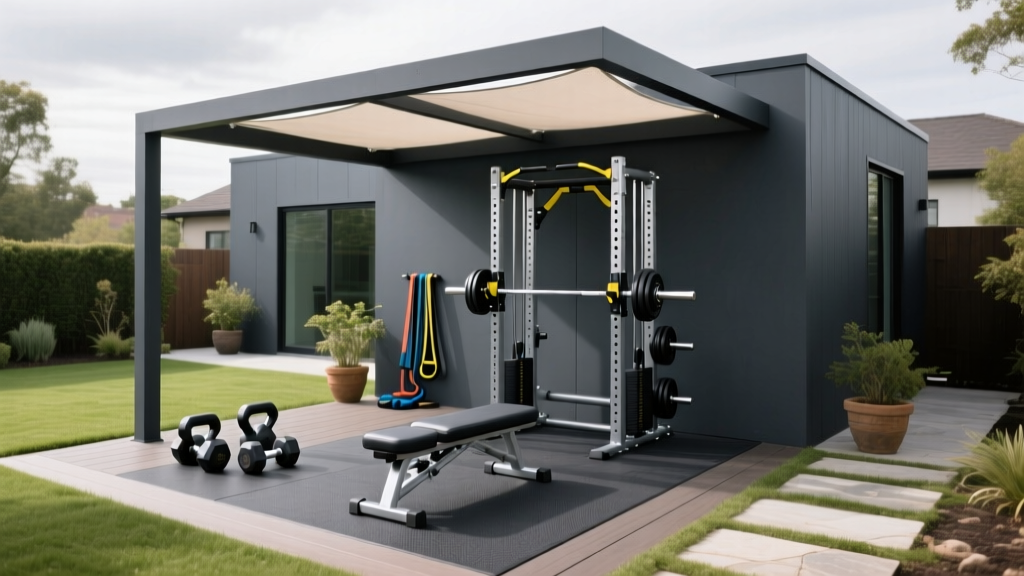
Best Paint Color for Home Gym Outdoor Structures & Weather Tips

Layout Optimization for Your Weider Home Gym Exercise Program
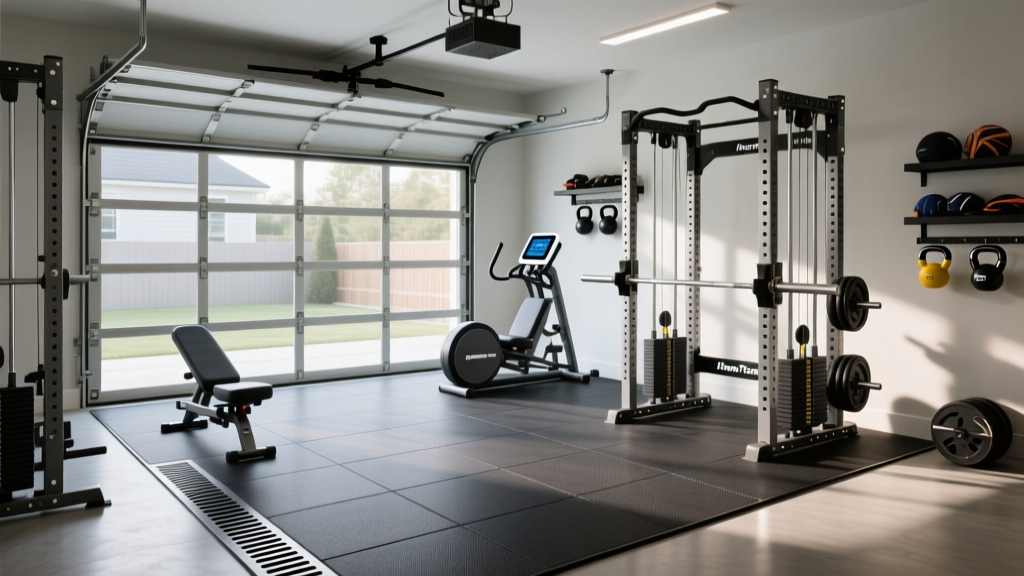
Building a HomeTrack Home Gym: 2026 Garage Flooring & Ventilation

Top Home Gym Brand Illinois: Mirror & Lighting Guide
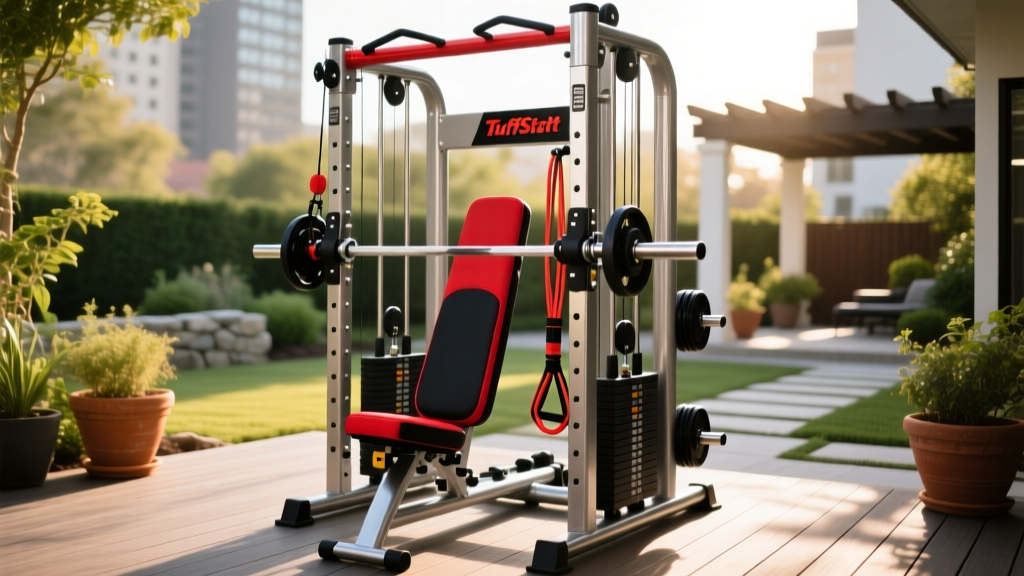
Protecting Your TuffStuff AXT 5 Home Gym in Outdoor Setups
