Rowing Guide: Real Ergs vs Dandy's World Treadmill Machine
Discover our 2026 rowing machine buying guide and technique breakdown. Compare top ergometers to virtual cardio trends and master your stroke.

The Gamification of Cardio: Virtual Trends vs. Real Ergometers
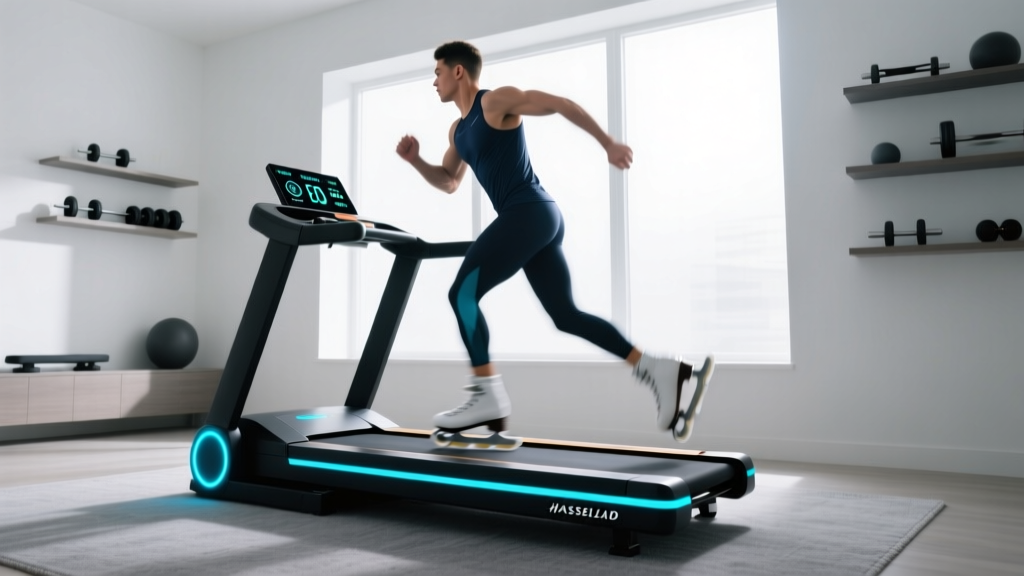
In recent years, the intersection of gaming and fitness has exploded, blurring the lines between digital stamina and physical endurance. Viral digital phenomena and in-game mechanics like the dandys world treadmill machine have introduced millions of younger users to the concepts of stamina management, pacing, and virtual cardio. However, while virtual treadmills are excellent for digital survival and gamified engagement, translating that endurance into real-world cardiovascular health and muscular development requires serious, biomechanically sound hardware. In 2026, the indoor rowing machine (ergometer) remains the undisputed king of full-body home cardio, offering a low-impact, high-yield workout that standard treadmills simply cannot match.
Unlike the repetitive, lower-body-dominant motion of running on a treadmill, rowing recruits approximately 86% of the body's musculature. According to the Cleveland Clinic, this simultaneous engagement of the legs, core, back, and arms results in superior caloric expenditure and postural strengthening. This comprehensive buying guide and technique breakdown will help you navigate the 2026 ergometer market and master the biomechanics of the rowing stroke.
2026 Rowing Machine Buying Guide: What to Look For
Purchasing a rowing machine is a significant investment, with premium models ranging from $1,200 to over $2,500. To ensure you select a machine that aligns with your biomechanical needs and spatial constraints, you must evaluate three critical components: resistance type, monitor telemetry, and rail ergonomics.
Resistance Mechanisms: Air vs. Water vs. Magnetic
- Air Resistance (e.g., Concept2 RowErg - $1,200): The gold standard for competitive rowers and CrossFit athletes. Air rowers use a flywheel with fan blades; the harder you pull, the more resistance is generated. They offer infinite resistance levels and the most accurate telemetry for tracking split times (/500m) and wattage.
- Water Resistance (e.g., WaterRower Classic - $1,595): Utilizes a water-filled tank to simulate the exact feel and acoustic swoosh of a boat cutting through water. These are aesthetically pleasing, often made from solid ash or cherry wood, and offer a slightly smoother catch phase than air rowers, though they lack the precise digital drag-factor calibration of air models.
- Magnetic Resistance (e.g., Hydrow - $2,495): Employs electromagnetic brakes to create near-silent resistance. Magnetic rowers are ideal for apartment dwellers or those who want to watch TV while training. They offer highly specific, pre-set resistance levels but do not dynamically scale with your pulling force like air or water models.
Monitor Accuracy and Data Tracking
A rowing machine is only as good as its monitor. The Concept2 PM5 monitor remains the industry benchmark in 2026, utilizing a dynamically calibrated drag factor that adjusts for dust buildup and air density. When shopping, ensure the monitor tracks split time per 500 meters, stroke rate (SPM), and watts. Avoid budget models under $400 that use basic RPM counters, as they fail to account for the deceleration of the flywheel, rendering your caloric and distance data entirely inaccurate.
Rail Length and Ergonomics
FitGearPulse Pro Tip: If you are taller than 6'2" (188 cm), you must verify the inseam clearance of the rail. The standard Concept2 RowErg accommodates up to a 38-inch inseam. Users with longer legs must purchase the 'Tall' leg variant or look into extended-rail models like the Stamina ATS 1405, which supports up to a 40-inch inseam without the slide carriage hitting the flywheel housing.Head-to-Head Comparison Matrix
Below is a structured comparison of the top-tier rowing machines available in 2026, contrasted against the conceptual engagement of virtual fitness trends.
| Model / Concept | Resistance Type | Price (2026) | Best For | Noise Level |
|---|---|---|---|---|
| Concept2 RowErg | Air | $1,200 | Data nerds, athletes | High (Whoosh) |
| WaterRower Classic | Water | $1,595 | Aesthetics, smooth feel | Medium (Slosh) |
| Hydrow | Electromagnetic | $2,495 | Live classes, apartments | Very Low |
| Virtual Treadmill (Gaming) | N/A (Digital) | In-Game Currency | Gamified engagement | Silent |
Mastering the Erg: Biomechanics and Technique
Buying the right machine is only half the battle. The Mayo Clinic emphasizes that proper form in aerobic exercises is crucial to prevent joint strain and maximize cardiovascular output. Rowing is not an arm exercise; it is a horizontal deadlift followed by a lever swing. To row efficiently, you must master the four distinct phases of the stroke.
The Four Phases of the Stroke
- The Catch: This is the starting position. Your shins should be vertical (or as close to vertical as your ankle mobility allows), your torso hinged forward at about 11 o'clock, and your arms fully extended, gripping the handle loosely. The lats should be engaged, 'hanging' off the handle.
- The Drive: The power phase. Initiate the movement entirely with your legs. Push through your heels as if performing a leg press. Your arms remain straight and your torso angle remains unchanged until your legs are nearly fully extended.
- The Finish: Once your legs are flat, hinge your torso back to the 1 o'clock position using your core, and finally, draw the handle into your lower sternum (just below the chest) by bending your elbows and squeezing your shoulder blades together.
- The Recovery: The return to the Catch. This phase must be the exact reverse of the Drive. Extend the arms first, hinge the torso forward past the knees, and only then allow the knees to bend as the slide carriage moves back toward the flywheel. The recovery should take twice as long as the drive (a 1:2 ratio).
Power Distribution
A common misconception among beginners is that rowing requires massive upper-body strength. In reality, a highly efficient stroke derives its power from the following distribution:
- Legs (Quads, Glutes, Hamstrings): 60% of total power.
- Core (Lower back, abdominals, obliques): 30% of total power.
- Arms (Biceps, rear deltoids, lats): 10% of total power.
Troubleshooting Common Technique Failures
Even experienced athletes can develop bad habits that lead to lower back pain or diminished wattage output. Watch out for these specific failure modes:
- Shooting the Slide: This occurs when you push with your legs during the Drive, but your hips move backward faster than the handle moves toward you. This places immense, dangerous shear force on the lumbar spine. Fix: Ensure your core is braced and the handle moves in perfect synchronization with the seat carriage during the first half of the Drive.
- Early Arm Bend: Bending the elbows before the legs have fully extended bleeds power from the largest muscle groups (legs) and overloads the small bicep tendons. Fix: Think of your arms as rigid ropes connecting your hips to the handle until the legs are 80% extended.
- Rushing the Recovery: Sliding back to the Catch too quickly robs you of recovery time and crashes your momentum into the front stops. Fix: Focus on a controlled, 2-second glide back to the Catch for every 1-second explosive Drive.
Final Verdict: Why the Rower Wins
While the cultural footprint of gamified fitness and virtual mechanics like the dandys world treadmill machine continues to grow, the physiological demands of real-world training cannot be digitized. An indoor rowing machine provides an unparalleled combination of cardiovascular conditioning, posterior chain strengthening, and joint-friendly biomechanics. Whether you opt for the data-rich environment of a Concept2 air rower or the aesthetic, fluid resistance of a WaterRower, mastering the ergometer will yield lifelong dividends in your physical health, far surpassing the boundaries of any virtual stamina bar.
"Rowing is the ultimate equalizer. The machine does not care about your height or weight; it only responds to the wattage you put into the flywheel. Master the hinge, trust your legs, and let the data guide your progress." — FitGearPulse Biomechanics Team, 2026
For further reading on optimizing your home gym layout and integrating aerobic equipment, consult the official Concept2 Indoor Rowers training logs and technique videos to refine your force curve and maximize your 2K erg times.
More gear to consider
All reviews
Elliptical vs Treadmill Care + Best Treadmill Workout for Belly Fat

Bike Types & Space Layouts: How to Lower NordicTrack Treadmill Decks
NordicTrack T8.5s Treadmill: 2026 Features Comparison Guide

Treadmill Icon vs 3 Bike Types: A Budget & Value Breakdown

WellFit Treadmill Reviews Reddit: Best Under Desk Picks 2026