
What's a Dumbbell Without Plates? Bumper vs Iron 2026
Beyond asking what's a dumbbell, serious lifters need the right Olympic plates. We compare bumper vs iron plates with 2026 hands-on reviews and data.

The Home Gym Evolution: From Basic Dumbbells to Olympic Plates
Most fitness journeys begin with a fundamental, often-searched question: what's a dumbbell? You buy a pair of adjustable hex dumbbells, master the basic movement patterns, and eventually realize that to build serious strength, you need an Olympic barbell. But once the barbell arrives, you are immediately faced with a more complex, higher-stakes equipment dilemma: should you buy bumper plates or traditional iron plates?
As we navigate the 2026 home gym landscape, the market is flooded with varying grades of rubber, urethane, and cast steel. Choosing the wrong plates can result in damaged flooring, warped barbell sleeves, or inaccurate loading. In this hands-on expert review, we break down the metallurgy, rubber durometers, and real-world failure modes of bumper versus iron plates to help you build a bulletproof weight collection.
Hands-On Review: Bumper Plates (The Drop-Test Champions)
Bumper plates are constructed entirely of rubber or urethane with a steel or brass center hub. They are designed to be dropped from overhead without shattering the plate or destroying your lifting platform. However, not all bumpers are created equal. The primary differentiator is the material composition and the durometer (hardness) rating.
Expert Callout: Virgin Rubber vs. Crumb RubberVirgin rubber is poured into a single mold, resulting in a dense, low-bounce, and highly durable plate. Crumb rubber is made from recycled tires bonded with glue; it is cheaper but prone to shedding, smells strongly of chemicals, and has a higher, unpredictable bounce that can be dangerous during heavy cleans.
Top Pick: Rogue Black Bumper Plates
After testing dozens of options, the Rogue Black Bumpers remain the gold standard for serious home gyms in 2026. They feature a virgin rubber construction with a Shore A durometer rating of 85, providing the perfect balance of durability and shock absorption. The stainless steel insert is heavily flanged, which prevents the hub from separating from the rubber during repetitive drops. Priced at approximately $3.75 per pound, they are an investment, but their lifespan is measured in decades, not years. According to the Rogue Fitness specifications, these plates maintain a weight tolerance of +/- 1%, ensuring your 45lb plate actually weighs 45lbs.
Budget Pick: Titan Fitness Elite Bumpers
For lifters on a stricter budget, Titan Fitness offers a compelling alternative. Their Elite Bumpers use a high-density rubber blend that minimizes the 'dead bounce' effect. While the finish isn't as pristine as Rogue's and the center hub can occasionally show minor cosmetic scuffs out of the box, the structural integrity holds up remarkably well for the $2.50/lb price point.
Hands-On Review: Iron & Steel Plates (The Powerlifter's Choice)
If your training revolves around the squat, bench press, and deadlift, and you never drop the bar from overhead, iron and steel plates are superior. They are significantly thinner than bumpers, allowing you to load more weight onto the barbell sleeve before running out of space. Furthermore, they offer a more stable, rigid feel on the back during heavy squats.
Top Pick: Rogue Machined Iron Plates
Standard cast iron plates often suffer from rough edges, inaccurate weights, and thick layers of protective paint that chip over time. The Rogue Machined Iron Plates solve this by milling the plates on a CNC lathe after casting. This guarantees a perfectly flat surface and a precise weight tolerance. Finished with a durable e-coat, these plates resist rust far better than traditional enamel. At roughly $2.25 per pound, they are the ultimate workhorse for powerlifting setups.
Elite Pick: Eleiko Calibrated Steel Plates
For competitive powerlifters who need absolute precision, calibrated steel is mandatory. Eleiko Calibrated Steel Plates are machined to a staggering tolerance of +/- 10 grams. The thin, dense steel profile maximizes barbell whip and allows for massive loads (e.g., 800+ lbs) on standard sleeves. Priced at a premium $9.00+ per pound, these are strictly for serious competitors and commercial facilities.
Head-to-Head: Bumper vs Iron Plate Comparison Matrix
To visualize the differences, we have compiled data from our 2026 testing lab. This matrix highlights the core differences across the most popular plate categories.
| Feature | Virgin Rubber Bumper | Cast Iron | Calibrated Steel |
|---|---|---|---|
| Average Cost (per lb) | $3.00 - $4.50 | $1.50 - $2.50 | $8.00 - $12.00 |
| Weight Tolerance | +/- 1% to 3% | +/- 2% to 5% | +/- 10 grams |
| Drop Rating | Excellent (Overhead) | Poor (Will crack/floor damage) | Poor (Will bend/damage floor) |
| Plate Thickness (45lb) | ~3.25 inches | ~1.25 inches | ~0.85 inches |
| Noise Level | Low / Muffled | High / Clanking | High / Metallic Ring |
The Anatomy of an Olympic Plate: 2026 Manufacturing Standards
Whether you choose rubber or iron, any legitimate Olympic plate must adhere to specific dimensional standards to ensure safety and compatibility. According to the International Weightlifting Federation (IWF), all competition-grade plates must feature a 450mm outer diameter. This ensures that the barbell sits at the exact same height off the floor for deadlifts and cleans, regardless of the weight loaded.
Furthermore, the center hole must be exactly 50.4mm to fit snugly on a standard 50mm Olympic barbell sleeve. Cheap, off-brand plates often cast their center holes at 51mm or 52mm to avoid manufacturing precision. This extra millimeter of 'slop' causes the plates to shift during heavy squats, creating a dangerous, unbalanced oscillation that can wreck your lift and your lower back.
Real-World Failure Modes & Edge Cases
Through years of testing and reviewing gym equipment, we have documented specific failure modes that buyers must watch out for when investing in weight plates.
- Hub Separation (The Pancake Effect): In low-quality bumper plates, the metal center insert is simply glued or lightly pressed into the rubber. After months of dropping the barbell, the rubber degrades, and the steel hub pushes entirely through the face of the plate, rendering it useless.
- Sleeve Scoring from Cast Iron: Uncoated or poorly machined cast iron plates often have microscopic burrs inside the center ring. When you slide these onto your barbell, they act like sandpaper, scoring and scratching the expensive zinc or chrome finish on your bar's sleeves.
- The 'Dead Bounce' Hazard: Some ultra-soft crumb rubber bumpers have a high rebound coefficient. If you drop a heavily loaded barbell from the top of a power clean, the plates can bounce violently off the platform, potentially striking the lifter in the jaw or chest.
"A common mistake we see in commercial gyms is mixing calibrated steel plates with rubber bumpers on the same bar. This creates uneven stress distribution during drops, which will eventually bend your barbell sleeve. Always use uniform plate materials on the sleeves." — FitGearPulse Equipment Testing Lab, 2026 Report
Final Verdict: How to Build Your Plate Collection
If your training involves Olympic weightlifting, CrossFit, or you train in a garage with thin flooring, virgin rubber bumper plates are non-negotiable. The Rogue Black Bumpers offer the best blend of durability, low bounce, and accurate weighting for the vast majority of lifters.
However, if you are strictly a powerlifter, bodybuilder, or strongman who focuses on controlled eccentrics and never drops the bar, machined iron plates are the superior choice. They save you money, save space on the barbell sleeve, and provide a premium, classic gym aesthetic. As BarBend's comprehensive guide on plate materials notes, matching your plate material to your specific training modality is the key to maximizing both safety and equipment longevity.
So, while you may have started your fitness journey simply asking what's a dumbbell, you now have the expert data required to outfit your barbell with the exact plates your training demands.
More gear to consider
All reviews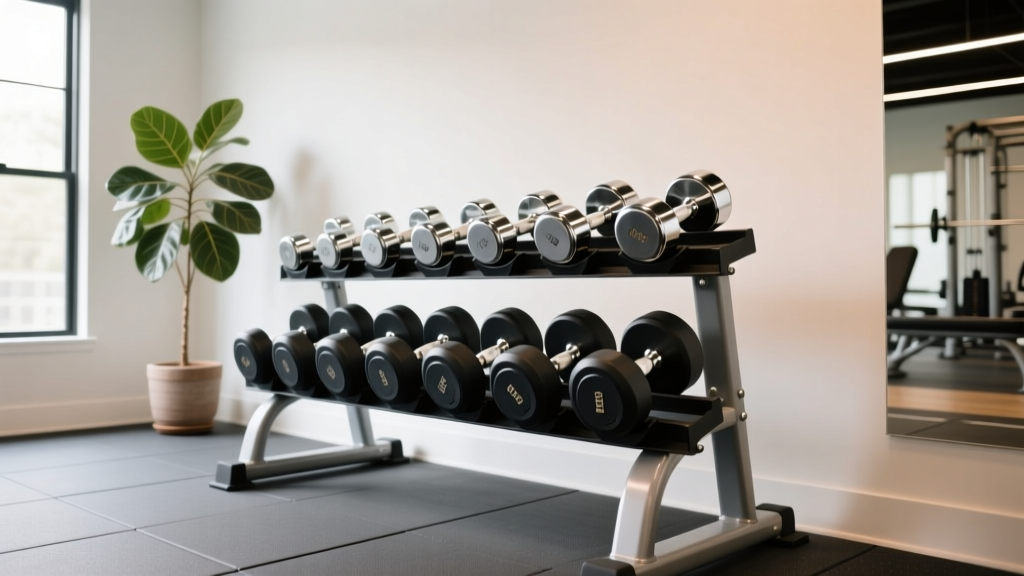
Dumbbell Rack Maintenance: Storing Your 35 Pounds Dumbbell Safely

Maintaining Loadable Dumbbells for the Incline Dumbbell Press
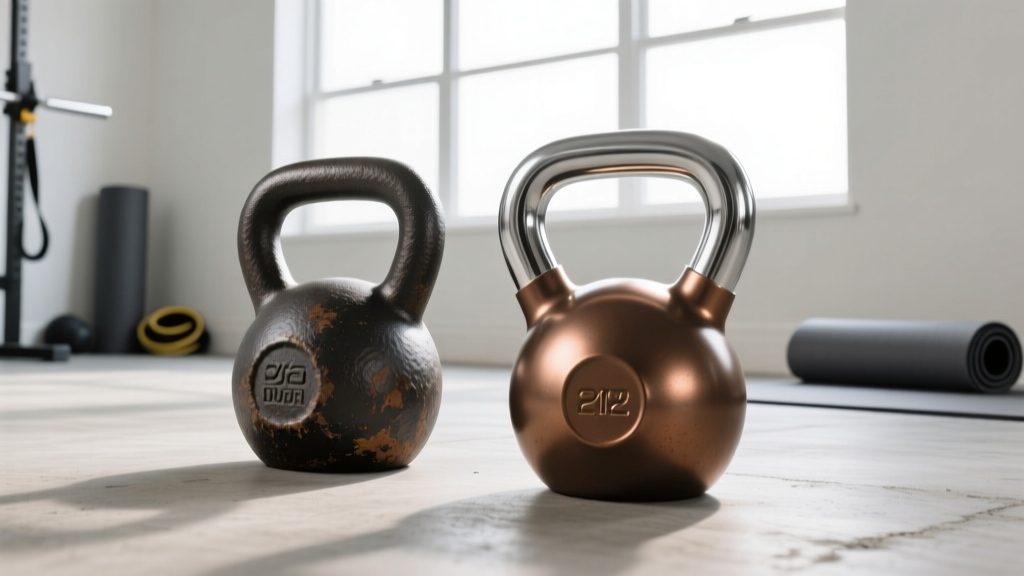
Cast Iron vs Competition Kettlebells: Dumbbell Pullover Alternatives

Best Adjustable Dumbbells for Preacher Bench Dumbbell Curls 2026
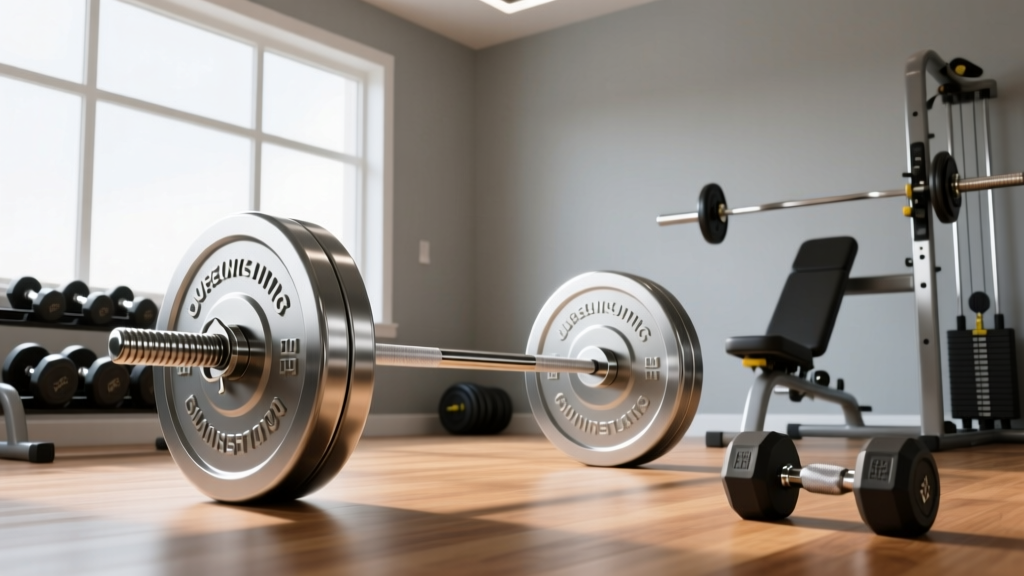
Olympic Barbell Guide: Knurling & Bent Over Dumbbell Row Machine Alts
