Bumper vs Iron Plates: Loading the Dumbbell Curl Into Shoulder Press
Compare bumper vs iron plates for longevity. Learn to protect gear during high-fatigue sets like the dumbbell curl into shoulder press.

The Intersection of High-Fatigue Training and Equipment Longevity
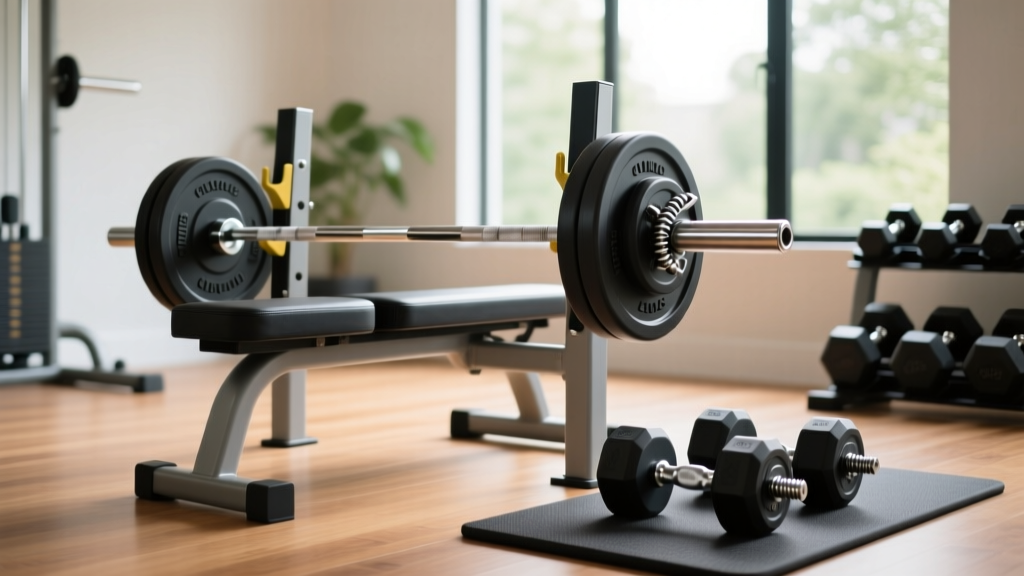
When programming high-volume, high-fatigue complexes like the dumbbell curl into shoulder press, lifters frequently push to absolute mechanical failure. If you are utilizing plate-loaded adjustable dumbbell handles—such as the Ironmaster Quick-Lock or standard spin-lock handles—this training style inevitably results in dropped weights, aggressive loading, and severe equipment stress. The choice between equipping your home or commercial gym with bumper plates versus traditional cast iron plates is not just about noise reduction; it is a critical decision that dictates your long-term maintenance routines, floor preservation, and overall equipment lifespan.
As of 2026, manufacturing standards for both rubber and iron plates have evolved, but their fundamental failure modes remain distinct. Understanding how to maintain these plates under the duress of heavy, dynamic lifting is essential for any serious strength coach or home gym owner.
Bumper Plates: Material Science and Failure Modes
Bumper plates are constructed from vulcanized rubber, designed to absorb the kinetic energy of a dropped barbell or dumbbell. However, not all bumpers are created equal. The longevity of a bumper plate is directly tied to its Shore A Durometer rating, which measures the hardness of the rubber.
Understanding Durometer Ratings
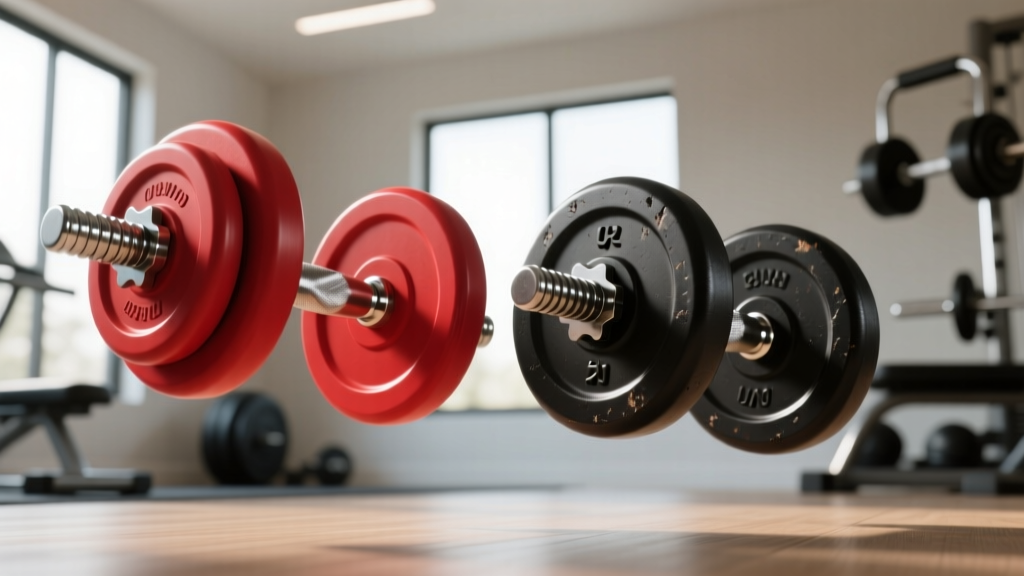
Cheap, crumb-rubber bumpers often sit around a 70-75 Shore A rating. They feel soft but are highly susceptible to tearing and permanent deformation. High-quality virgin rubber bumpers, like the Rogue Echo Bumper Plates, boast a Shore A rating of 85 or higher. This harder rubber resists tearing and maintains its structural integrity over thousands of drops.
⚠️ The 10lb Bumper Plate Warning:When loading plate-loaded dumbbells for a complex like the dumbbell curl into shoulder press, you often need lighter increments (5lb or 10lb). Never drop a barbell or dumbbell loaded exclusively with 10lb bumper plates. Because the 10lb plate has a smaller diameter and less rubber mass than a 45lb plate, it absorbs the entirety of the impact force. This leads to the 'taco effect,' where the plate bends and eventually pops the steel center insert out of the rubber matrix.
Bumper Plate Maintenance Protocols
Rubber is highly susceptible to environmental degradation. To maximize the lifespan of your bumpers, implement the following care routine:
- UV Protection: Ultraviolet light breaks down the chemical bonds in vulcanized rubber, causing 'chalking' (a white, powdery residue) and micro-fissures. Never store bumpers in direct sunlight or unshaded outdoor patios.
- Cleaning Agents: Avoid bleach, ammonia, or harsh degreasers. These strip the natural oils from the rubber. Instead, use a mild dish soap diluted in warm water, applied with a microfiber cloth.
- Insert Care: The steel or brass center inserts can oxidize. Wipe the inserts with a light coat of 3-in-One oil quarterly to prevent rust from seizing the plate onto your dumbbell handles.
Cast Iron Plates: Oxidation, Coatings, and Impact
Cast iron plates are the traditional workhorses of the strength world. They are dimensionally accurate, incredibly dense, and generally cheaper per pound than bumpers. However, their maintenance requirements are vastly different, primarily centering around moisture management and impact mitigation.
Coating Technologies and Vulnerabilities
Modern iron plates come in several finishes, each with unique longevity profiles:
| Coating Type | Lifespan & Durability | Maintenance Requirement |
|---|---|---|
| Hammer Tone / Enamel | Low-Medium. Paint chips easily upon impact, exposing raw iron to moisture. | Frequent touch-ups with Rust-Oleum required. |
| Zinc Plated | High. Zinc acts as a sacrificial anode, protecting the underlying iron. | Wipe down to remove acidic sweat; polish with steel wool if white oxidation appears. |
| Urethane Coated | Very High. Urethane resists chipping, scratching, and UV degradation better than rubber. | Minimal. Wipe with a damp cloth. Avoid dropping on concrete to prevent urethane tearing. |
The Impact Problem During Complexes
When executing the dumbbell curl into shoulder press with plate-loaded handles, the dumbbells are often dropped to the floor at the end of a burnout set. Iron plates do not absorb shock; they transfer it. This results in three distinct failure modes:
- Floor Destruction: Uncoated or enamel iron plates will crack rubber gym tiles and dent concrete subfloors.
- Hardware Loosening: The violent vibration of iron-on-iron or iron-on-concrete impact can loosen the spin-lock collars on your dumbbell handles, creating a severe safety hazard mid-lift.
- Edge Chipping: The outer lips of cast iron plates are brittle. Repeated drops will chip the edges, creating sharp burrs that can tear your hands or snag your clothing.
Expert Insight: According to extensive longevity testing by Garage Gym Reviews, if your programming includes high-frequency dropping of weights from shoulder height or higher, cast iron plates should be entirely avoided unless you are dropping onto specialized, multi-layered shock-absorption platforms.
Step-by-Step Iron Plate Rust Remediation
If you have inherited a set of vintage cast iron plates, or your current set has succumbed to garage humidity, follow this 2026-standard remediation process to restore them:
- Initial Scrub: Use a brass wire brush (not steel, which can embed particles and cause more rust) to remove loose, flaking rust and old paint.
- Chemical Treatment: Submerge the plates in a vat of Evapo-Rust or white vinegar for 12 to 24 hours. Evapo-Rust is a chelating agent that selectively removes iron oxide without harming the base metal.
- Neutralization: Rinse the plates thoroughly with water and immediately neutralize the surface with a baking soda and water solution to halt the oxidation process.
- Sealing: Dry completely using compressed air or a heat gun. Apply a thin coat of boiled linseed oil or a specialized metal protectant like WD-40 Specialist Corrosion Inhibitor. Wipe off the excess after 15 minutes.
Head-to-Head: Matching Plates to Your Training Style
How do you decide which plate type to invest in for your facility? Use this decision matrix based on your specific training environment and exercise selection.
Choose Bumper Plates If:
- Your programming heavily features Olympic lifts, CrossFit-style WODs, or high-fatigue drop sets where weights are routinely dropped from the hip, chest, or shoulder.
- You train in a residential setting where noise and vibration transfer through floor joists is a primary concern.
- You are willing to pay a premium (typically $2.00 to $4.00 per pound for quality virgin rubber) for shock absorption.
Choose Iron Plates If:
- Your training consists primarily of controlled powerlifting movements (squats, bench presses, deadlifts) where the barbell is lowered with control or set on pins/rack safeties.
- You are on a strict budget (iron plates average $1.20 to $1.80 per pound on the used market).
- You have a dedicated, reinforced concrete lifting platform and do not mind the acoustic clang of metal on metal.
Final Thoughts on Equipment Stewardship
Whether you are loading up a pair of adjustable dumbbells for a grueling set of the dumbbell curl into shoulder press or maxing out on the barbell, your plates are an investment. Bumper plates require environmental vigilance—keeping them away from UV rays and harsh chemicals—while iron plates demand a strict moisture-management and rust-prevention protocol. By understanding the material science and specific failure modes of both options, you can tailor your maintenance routine to ensure your free weights survive decades of relentless punishment.
More gear to consider
All reviews
Preserving Loadable Dumbbell Grips: Maintenance and Longevity Tips

Bumper vs Iron Plates & A Landmine Rotation Alternative with Dumbbells
Kettlebell Budget: Cast Iron vs Competition & Dumbbell Leg Raise

Barbell Collars Compared: Setup for Dumbbell Chest Workouts

Cast Iron vs Competition: Value & the Kettlebell Swing with Dumbbell