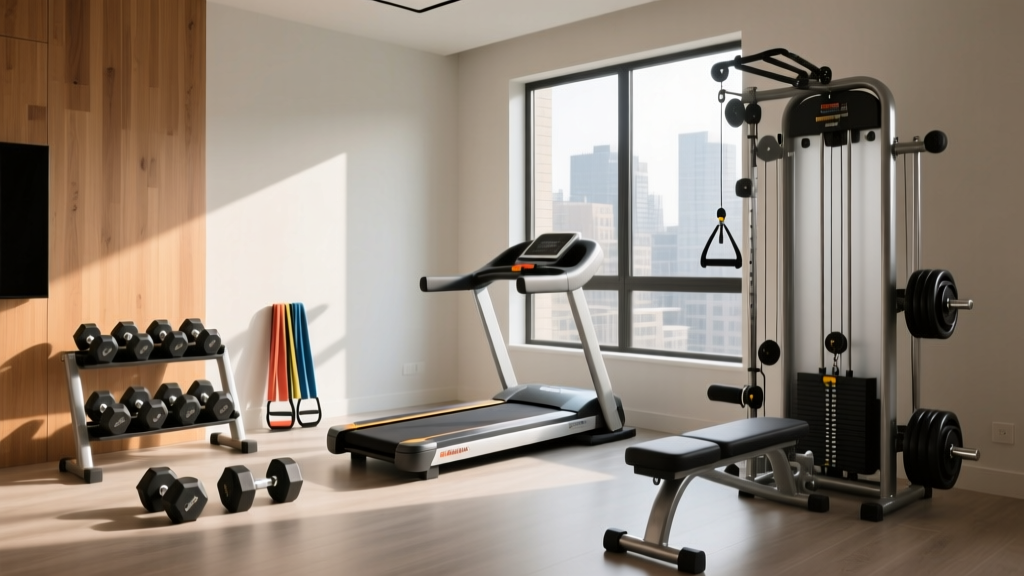
Planet Fitness Switching Home Gym: Apartment Setup Mistakes
Avoid costly rental damage and eviction risks when planet fitness switching home gym. Our troubleshooting guide covers floor loads, noise, and gear.

The Reality of Planet Fitness Switching Home Gym Setups in Rentals
Leaving the commercial gym model behind is a major milestone for fitness enthusiasts. When planet fitness switching home gym routines become your primary focus, the appeal of avoiding crowded locker rooms, the 'lunk alarm,' and monthly membership fees is undeniable. However, transitioning from a commercial facility with reinforced concrete floors and open layouts to a rental apartment introduces a complex matrix of structural, acoustic, and spatial constraints.
Many renters make critical errors during this transition, leading to damaged security deposits, noise complaints, or even eviction notices. This troubleshooting guide dissects the most common mistakes renters make when building a no-damage apartment home gym and provides engineered, actionable solutions to protect your living space and your lease.
⚠️ Critical Lease Warning
Before purchasing any heavy equipment, review your lease agreement for clauses regarding 'floor load limits,' 'vibration restrictions,' and 'structural modifications.' Standard residential leases strictly prohibit drilling into studs, altering drywall, or exceeding dynamic weight limits.
Mistake 1: Ignoring Point Loads and Floor Joist Limits
The most catastrophic mistake renters make is assuming their floor can handle gym equipment simply because it holds heavy furniture. According to the International Residential Code (IRC) and general structural engineering guidelines cited by the International Code Council, standard residential living spaces are designed for a uniform live load of 40 pounds per square foot (PSF).
The Troubleshooting Math: Distributed vs. Point Loads
If your gym occupies a 5x6 foot area (30 square feet), the total distributed live load capacity is roughly 1,200 pounds. However, gym equipment creates point loads. Consider a 300-pound lifter squatting 225 pounds inside a 150-pound power rack. That 675 pounds of dynamic force is concentrated onto four 3x3-inch steel footplates. This creates a massive PSI (pounds per square inch) that can easily crack subflooring or dent hardwood finishes.
The No-Damage Solution
You must spread the point load. Do not use interlocking EVA foam tiles; they compress too easily under heavy steel. Instead, invest in 4x6 foot, 3/4-inch thick vulcanized rubber horse stall mats (typically $55 to $65 each at agricultural supply stores). Place a layer of 1/2-inch plywood beneath the rubber mats to create a rigid load-spreading subfloor. This decouples the equipment from the floor and distributes the weight safely across multiple floor joists.
Mistake 2: The 'Space-Saver' Wall-Mount Trap
When researching apartment-friendly gear, many lifters are drawn to wall-mounted folding power racks (like the PRx Profile series). While they save space when folded, they are a massive liability for renters.
- The Failure Mode: These rigs require lag bolts drilled deep into wooden wall studs. When you remove them at the end of your lease, you are left with massive, structural holes in the drywall that standard spackle cannot properly repair.
- The Dynamic Risk: If you fail to hit the exact center of the stud, the dynamic force of racking a heavy barbell can rip the rack out of the wall, destroying the drywall and risking severe injury.
The Troubleshooting Fix: Flat-Foot Freestanding Racks
Opt for a freestanding rack with flat footplates that do not require bolting to the floor. The Titan Fitness T-2 Short Power Rack (82 inches tall) is ideal for standard 8-foot apartment ceilings. Priced around $349, it features a 50x53-inch footprint. By loading weight plates on the rear storage pegs, you anchor the rack using gravity rather than destructive hardware. Always use a spirit level to ensure the floor is even; if it slopes, use heavy-duty rubber shims under the footplates to prevent the rack from racking (twisting) under load.
Mistake 3: Misunderstanding Acoustic Management
Noise is the number one reason apartment home gyms fail. Renters often confuse airborne noise (grunting, music) with structure-borne impact noise (dropping weights, the vibration of a treadmill motor). Buying acoustic foam panels will not stop your downstairs neighbor from hearing your deadlifts.
Structure-borne noise travels through the physical framing of the building. To stop it, you need mass and decoupling, not just sound absorption. (Source: Apartment Therapy Acoustic Guides)
Troubleshooting Impact Noise
If you are using adjustable dumbbells like the highly rated Nuobell or Bowflex SelectTech models, you must never drop them. For barbell work, you must build a 'deadlift platform.' In a rental, this means layering two inches of high-density rubber over a plywood base, completely isolated from the walls by a 1/4-inch gap to prevent vibration transfer to the baseboards. If you use a treadmill, place specialized anti-vibration Sorbothane pads under the motor housing to absorb the low-frequency hum that penetrates ceilings.
Mistake 4: Anchor Point and Drywall Disasters
Suspension trainers (like TRX) and resistance band setups require secure anchor points. A common and disastrous mistake is using standard drywall toggle bolts to hang equipment. Drywall is designed to hold static, lightweight pictures—not the dynamic, multi-directional pulling force of a 180-pound human body.
The Safe Alternative: Door-Frame Engineering
Utilize over-the-door pull-up bars and door-frame suspension anchors. However, you must troubleshoot the door frame itself. Hollow-core interior doors will splinter under tension. You must only anchor to solid-core exterior doors or heavy wooden closet frames. Before every workout, inspect the door hinges; if the door sags even slightly, the lateral pull of resistance bands will warp the frame over time, violating your lease's clause on maintaining fixtures.
Financial Breakdown: Planet Fitness vs. Apartment Home Gym
Is the planet fitness switching home gym transition financially viable for renters? Let us look at the exact 24-month ROI, factoring in the hidden costs of apartment-friendly gear.
| Expense Category | Planet Fitness (24 Months) | Apartment Home Gym (24 Months) |
|---|---|---|
| Membership / Base Equipment | $600 (Black Card) | $450 (Adjustable Dumbbells) |
| Annual Fees / Upgrades | $98 (Two $49 fees) | $350 (Titan T-2 Rack) |
| Flooring / Acoustic Mats | $0 | $160 (Rubber Mats + Plywood) |
| Commute / Gas / Time | $300 (Estimated) | $0 |
| Total 2-Year Cost | $998 | $960 |
By month 20, the home gym pays for itself, and unlike a commercial membership, you retain the physical assets (which can be resold on the secondary market for a 40-60% return when you move).
Your No-Damage Weekend Setup Checklist
Follow this sequential troubleshooting checklist to ensure your gym is safe, quiet, and lease-compliant:
- Map the Joists: Use a stud finder on the floor (if accessible via basement below) or tap-test to locate floor joists. Position your heaviest equipment (squat rack) directly over the joists, not in the center of the span.
- Build the Subfloor: Lay down 3/4-inch tongue-and-groove plywood sheets, followed by 3/4-inch vulcanized rubber mats. Leave a 1/2-inch gap between the mats and the baseboards to prevent vibration transfer to the walls.
- Test the Rack: Assemble your flat-foot rack. Load it with 50% of your max weight and perform a controlled rack. Check for wobble. Shim the feet with rubber wedges if the apartment floor is uneven.
- The 'Drop Test': Before loading your working sets, drop an empty 45lb barbell onto your rubber mats from waist height. Go downstairs (or ask a neighbor) to verify that the structure-borne noise is sufficiently dampened.
- Document the Space: Take high-resolution, time-stamped photos of the floor and walls before placing any equipment down. This is your ultimate insurance policy against unjust security deposit deductions regarding pre-existing wear and tear.
Switching from a commercial gym to a rental apartment setup requires precision, not just passion. By respecting the physics of your building and choosing non-destructive, freestanding equipment, you can build a world-class training environment without risking your housing.
More gear to consider
All reviews
Home Gym Costco Trends 2026: Garage Flooring & Ventilation Guide
How to Make a Home Gym: The Ultimate Weight Buying Guide

Beginner Starter Kit: Space Layouts For Home Gym Leg Exercises
Electrical Mistakes to Avoid When You Convert Garage to Home Gym

Building a Beautiful Home Gym on a $500 Budget in 2026
