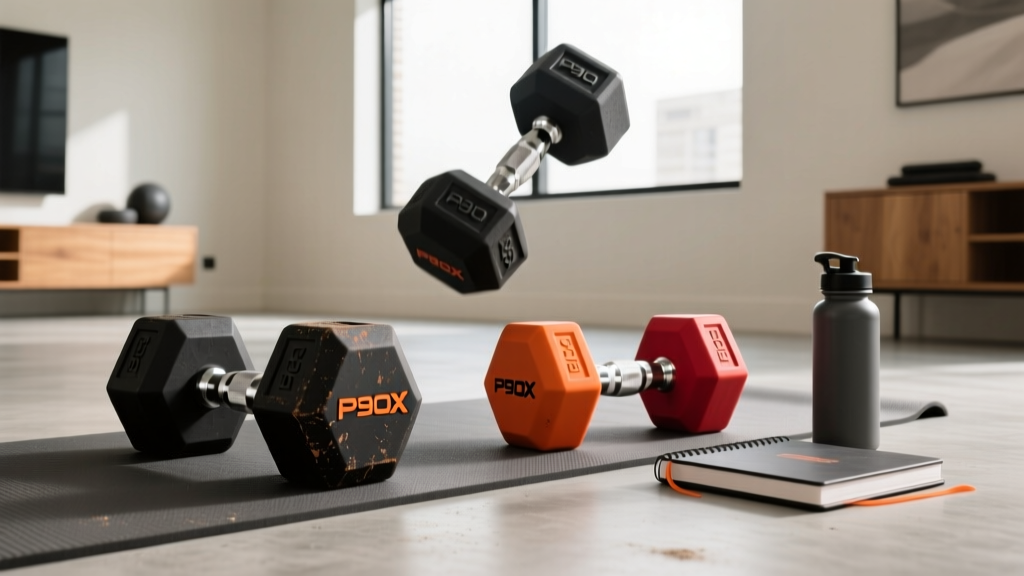
Maintaining Your P90X Dumbbells: Rubber Hex vs Urethane Care
Discover how to maintain your P90X dumbbells for maximum longevity. Compare rubber hex vs urethane care, cleaning protocols, and storage.

Completing a high-volume, high-intensity program like P90X requires serious dedication—and your equipment takes a beating right alongside you. When outfitting a home gym for this specific style of training, most lifters eventually narrow their search for the best P90X dumbbells down to two primary materials: rubber hex and urethane. While both offer a protective coating that saves your floors during dynamic movements like plyometric lunges or renegade rows, their long-term durability, maintenance requirements, and failure modes are vastly different.
As we move through 2026, the price gap between premium urethane and budget rubber hex has shifted, making the total cost of ownership a critical factor. If you are dropping weights, sweating heavily, and cycling through multiple sets daily, your maintenance routine will dictate whether your dumbbells last three years or three decades. Here is the definitive, expert-level guide to maintaining rubber hex versus urethane dumbbells for high-rep home fitness programs.
The P90X Dumbbell Stress Test: Why Material Matters
Tony Horton’s P90X program is notorious for its "muscle confusion" and high time-under-tension. Exercises like Static Arm Curls, Shoulder Arthritis, and heavy compound movements mean your dumbbells are constantly being gripped, set down, and occasionally dropped. Furthermore, a 90-day program generates a massive amount of environmental humidity and sweat in a home gym space.
Human sweat has a pH ranging from 4.5 to 7.0, making it mildly acidic. Over time, this acidity, combined with the salts and urea in your perspiration, acts as a corrosive agent on the binders used in cheaper elastomers. Understanding how rubber and urethane react to this environment is the first step in maximizing their lifespan.
Rubber Hex Dumbbells: Maintenance & Failure Modes
Rubber hex dumbbells (like the widely available CAP Barbell or Yes4All models) are typically manufactured from recycled vulcanized rubber. They are the budget-friendly entry point for P90X enthusiasts, usually costing between $1.50 and $2.20 per pound in 2026. However, this lower price point comes with distinct maintenance burdens.
⚠️ WARNING: The Dry Rot and Off-Gassing CycleRubber hex dumbbells are highly susceptible to UV degradation and ozone cracking. If your home gym is in a garage or near a window with direct sunlight, the rubber will begin to dry out, turn chalky, and eventually crumble. Additionally, cheap rubber continuously off-gasses volatile organic compounds (VOCs), which can cause headaches in poorly ventilated rooms.
Common Degradation Signs to Monitor
- Chalking: A white, powdery residue on the surface indicates the plasticizers are leaching out.
- Head Separation: The rubber casing pulling away from the inner steel core, usually caused by repeated drops on hard surfaces.
- Knurling Clogging: The steel handle knurling fills with degraded rubber particles and dead skin, reducing grip security during heavy P90X back-and-bicep days.
Actionable Care Steps for Rubber Hex
- Neutralize Sweat Immediately: Never let sweat dry on rubber. Wipe down the heads and handles with a microfiber cloth dampened with a 1:10 dilution of Simple Green and water after every workout.
- Rehydrate the Rubber (Annually): To prevent dry rot, apply a thin coat of 303 Aerospace Protectant or a silicone-based rubber restorer once a year. This replaces lost plasticizers and restores UV resistance.
- Handle Maintenance: Use a stiff nylon brush and a drop of dish soap to scrub the knurling monthly. Dry completely with compressed air or a towel to prevent rust.
Urethane Dumbbells: The Premium Longevity Play
Urethane (polyurethane) is a high-density, cross-linked elastomer. Brands like Rogue Fitness and Rep Fitness utilize urethane for their commercial-grade lines. Priced between $3.50 and $5.50+ per pound, urethane dumbbells are a significant upfront investment, but they are virtually impervious to the environmental factors that destroy standard rubber.
Why Urethane Outlasts Rubber
According to material testing standards monitored by organizations like NSF International, polyurethane elastomers boast superior abrasion resistance, tensile strength, and load-bearing capacity compared to vulcanized rubber. Urethane typically registers between 85A and 90A on the Shore Hardness scale, meaning it is dense enough to resist tearing but forgiving enough to protect flooring.
| Feature | Rubber Hex | Urethane |
|---|---|---|
| Average Cost (per lb) | $1.50 - $2.20 | $3.50 - $5.50+ |
| Shore Hardness | Variable (70A - 80A) | Consistent (85A - 90A) |
| Sweat/Acid Resistance | Low (Binders degrade) | High (Non-porous) |
| UV & Ozone Resistance | Poor (Prone to dry rot) | Excellent |
| Odor / Off-Gassing | High (Lasts months/years) | Zero to Negligible |
| Expected Lifespan (Heavy Use) | 3 - 7 Years | 15 - 25+ Years |
Actionable Care Steps for Urethane
While urethane is incredibly resilient, it is not entirely maintenance-free. The primary enemy of urethane is not sweat, but abrasion and harsh chemicals.
- Avoid Ammonia and Bleach: Never clean urethane with Windex, bleach, or ammonia-based products. These chemicals break down the polyurethane chains, leading to surface bubbling and permanent stickiness.
- Use pH-Neutral Cleaners: A simple mixture of warm water and a few drops of Dawn dish soap is the safest and most effective way to remove body oils and chalk from urethane heads.
- Protect the Edges: Urethane is tough, but dragging the dumbbells across concrete or rough asphalt will cause micro-tears on the hex edges. Always lift them cleanly off the rack.
Step-by-Step Cleaning Protocol for High-Volume Home Gyms
Whether you are using rubber hex or urethane for your P90X journey, implementing a strict hygiene and maintenance protocol will prevent the buildup of corrosive salts and bacteria.
💡 The 3-Tier Wipe Down System1. Post-Workout (Daily): Wipe handles and heads with a dry microfiber cloth to remove bulk moisture.
2. Sanitize (Weekly): Spray a gym-safe, pH-neutral disinfectant (like hypochlorous acid spray) onto a cloth—not directly onto the dumbbell—and wipe down. This prevents liquid from seeping into the seam where the handle meets the head.
3. Deep Knurling Clean (Monthly): Apply a light coat of 3-in-One oil to the steel handles, scrub with a brass or nylon brush, and wipe away the black residue. This prevents rust and maintains grip integrity for complex P90X moves.
Storage Solutions to Prevent Micro-Fractures
How you store your P90X dumbbells between the 90-day cycles is just as important as how you clean them. Dropping a 40 lb rubber hex dumbbell onto a steel rack shelf repeatedly will eventually cause the rubber to split at the stress points.
"Elastomers like rubber and urethane suffer from compression set and impact fatigue. Storing heavy dumbbells on flat, hard steel shelves without a buffer accelerates micro-fractures on the bottom edge of the hex. Always use a rack with a rubber-lined saddle or UHMW (Ultra-High Molecular Weight) polyethylene padding."
— Home Gym Equipment Testing Standards, 2025 Industry Report
Storage Best Practices:
- Invest in a 3-Tier or 5-Tier Rack: Keep weights off the floor to prevent moisture wicking and accidental kicking.
- Climate Control: If using rubber hex dumbbells, ensure your gym space stays below 80°F and out of direct sunlight. Urethane is far more forgiving in unconditioned garages.
- Organize by Weight: P90X requires rapid weight switching. A well-organized A-frame or horizontal rack prevents you from knocking adjacent dumbbells together, which can chip the edges of both rubber and urethane over time.
Frequently Asked Questions
Can I use baby wipes to clean my dumbbells after P90X?
While convenient, most commercial baby wipes contain mild alcohols, fragrances, and preservatives that can slowly strip the protective oils from rubber hex dumbbells, accelerating the drying process. For urethane, they are generally safe in a pinch, but a dedicated pH-neutral gym wipe or a simple damp microfiber cloth is vastly superior for long-term polymer health.
Why do my rubber hex dumbbells feel sticky?
Stickiness is a sign of polymer breakdown, often caused by exposure to high heat, UV light, or harsh chemical cleaners (like bleach or undiluted degreasers). Once the chemical bonds in the rubber begin to revert to a semi-liquid state, the stickiness is permanent. At this stage, the only solution is to replace them with urethane dumbbells to avoid ruining your floors and hands.
Are adjustable dumbbells better for P90X than fixed hex or urethane?
Adjustable dumbbells (like Bowflex SelectTech or PowerBlock) save space and money, making them popular for P90X. However, their internal mechanical pins and plastic casings are highly vulnerable to being dropped. If your form breaks down and you drop a weight during a fatigue-heavy set, a fixed urethane or rubber hex dumbbell will survive the impact, whereas an adjustable dumbbell may jam or break entirely.
More gear to consider
All reviews
Top Adjustable Floor Press Dumbbells: 2026 Buying Guide

Russian Twist with Dumbbells vs Kettlebells: Cast Iron Care Guide

Around The World Dumbbells: 2026 Loadable Plate Market Analysis

EZ vs Straight Bar: Compact Layouts & Weighted Dips Dumbbell

Cast Iron vs Competition Kettlebells for a Men's Dumbbell Workout
