
Olympic vs Standard Plates and Glute Exercises with Dumbbells
Avoid costly home gym mistakes. Compare Olympic vs standard weight plates, troubleshoot sizing errors, and optimize setups for glute exercises with dumbbells.

The 1-Inch vs. 2-Inch Dilemma: Why Sizing Mistakes Ruin Home Gyms
When outfitting a home gym in 2026, the most common and expensive mistake beginners make is confusing standard weight plates with Olympic weight plates. While they may look similar in online thumbnails, the physical dimensions, weight tolerances, and structural limits are vastly different. Standard plates feature a 1-inch (25.4mm) center hole, designed to fit inexpensive, lightweight barbells and spin-lock dumbbell handles. Olympic plates, governed by international competition standards, feature a 2-inch (50.8mm) center hole designed for high-tensile steel barbells.
Mixing these two ecosystems is a primary failure point for new lifters. According to equipment testing data from Garage Gym Reviews, buying into the standard plate ecosystem often leads to a 'dead-end' investment. Within six months, lifters outgrow the weight limits of standard bars and are forced to sell their entire plate collection at a loss to upgrade to Olympic gear. This troubleshooting guide will help you identify the hidden traps of standard plates, understand when they actually make sense, and how to properly configure your gym for heavy compounds and targeted accessory work.
Troubleshooting the 'Standard Plate' Trap
The allure of standard plates is almost always price. You can frequently find vinyl-cement filled standard plates at big-box sporting goods stores for under $1.00 per pound. However, this initial savings masks severe structural and mechanical flaws.
⚠️ SAFETY WARNING: Bar Yield and BendingStandard 1-inch barbells are typically made from lower-grade steel with a tensile strength below 100,000 PSI. When loaded past 200 to 250 pounds, the sleeves and the shaft of a standard 6-foot bar will begin to permanently bend (yield). If you are squatting or deadlifting with standard plates and approach this threshold, the bar can snap or fail to rotate properly in your hands, leading to severe wrist and shoulder injuries.
Furthermore, standard cast iron plates are notorious for poor calibration. It is common for a cheap 45-pound standard plate to actually weigh anywhere from 41 to 48 pounds. When you are tracking progressive overload, a 10% variance in weight makes it impossible to accurately log your lifts or apply precise micro-progression.
The Accessory Pivot: Why Standard Plates Fail for Glute Exercises with Dumbbells
Many home gym owners initially purchase a standard 1-inch plate set because it is cheap and comes bundled with spin-lock dumbbell handles. However, when programming hypertrophy-focused accessory work—specifically glute exercises with dumbbells like Romanian deadlifts (RDLs), Bulgarian split squats, and weighted hip thrusts—the limitations of standard equipment become glaringly obvious.
First, standard spin-lock handles are typically 14 inches long. Once you load more than 25 pounds of standard cast iron per side, the plates physically run out of sleeve space. You hit a hard ceiling of about 40 to 45 pounds per dumbbell. For progressive overload on glute exercises with dumbbells, 45 pounds is often insufficient for intermediate lifters within their first year of training. The glutes are massive, powerful muscles that require heavy loads to stimulate growth.
Second, the physical act of unscrewing the spin-lock collars, sliding off 10-pound standard plates, and sliding on 25-pound plates between sets of hip thrusts destroys your workout density and rest intervals. The troubleshooting solution? Ditch the standard dumbbell handles entirely. In 2026, modern adjustable dumbbells are the gold standard for glute exercises with dumbbells. Models like the Nuobell 80 (which range up to 80 lbs per hand and use a seamless dial mechanism) or the PowerBlock Elite EXP allow you to change weights in two seconds. This keeps your glutes under tension, maintains your heart rate in the optimal hypertrophy zone, and completely eliminates the need for standard 1-inch plates on your dumbbell rack.
Olympic Plates: The Non-Negotiable for Heavy Compounds
For your primary barbell movements—squats, deadlifts, bench presses, and Olympic lifts—Olympic plates are mandatory. The 2-inch (50mm) sleeve diameter allows for a thicker, stronger barbell shaft. For context, the iconic Rogue Ohio Bar boasts a 190,000 PSI tensile strength and can safely hold well over 1,000 pounds without permanent deformation. You can view the full lineup of high-tensile setups and plate pairings directly on the Rogue Fitness equipment hub.
Understanding Bumper Plates vs. Cast Iron
Within the Olympic ecosystem, you must choose between cast iron and bumper plates. Bumper plates are made of dense rubber or urethane and share a uniform diameter (typically 450mm / 17.7 inches) regardless of their weight. This is critical for Olympic weightlifting (cleans and snatches) where the barbell is dropped from overhead. Dropping a standard cast iron plate from shoulder height will shatter the plate and destroy your garage floor. For high-quality, durable rubber options that absorb impact without degrading, the REP Fitness Hi-Temp Bumper Plates remain a top-tier, cost-effective choice for home gyms.
Comparison Matrix: Olympic vs. Standard Iron & Bumpers
| Feature | Standard Plates (1-Inch) | Olympic Cast Iron (2-Inch) | Olympic Bumper Plates |
|---|---|---|---|
| Hole Diameter | 25.4mm (1 Inch) | 50.8mm (2 Inches) | 50.8mm (2 Inches) |
| Max Safe Bar Capacity | 200 - 300 lbs | 700 - 1,000+ lbs | 700 - 1,000+ lbs |
| Weight Tolerance | +/- 5% to 10% | +/- 2% | +/- 1% (Calibrated) |
| Avg Cost Per Pound (2026) | $0.80 - $1.20 | $2.00 - $2.80 | $3.50 - $5.00 |
| Drop Safety | Low (Cracks/Chips) | Medium (Damages Floor) | High (Absorbs Impact) |
Step-by-Step Troubleshooting: Fixing Your Current Plate Collection
If you have already purchased the wrong plates or are trying to salvage a mixed-equipment garage gym, follow these troubleshooting steps to restore safety and functionality to your workouts.
- Audit Your Barbell Sleeve with Calipers: Do not guess the size based on how it looks. Measure the diameter of your barbell sleeve with digital calipers. If it reads 25mm, you have a standard bar. If it reads 50mm, you need Olympic plates.
- Ditch the Adapter Sleeves: The market is flooded with cheap plastic and metal 'Olympic to Standard' adapter sleeves that allow you to put 1-inch plates on a 2-inch bar. Do not use these for heavy lifting. They add uneven bulk, ruin the bar's balance, shift during squats, and are a massive safety hazard. They are only acceptable for light, static accessory work.
- Reallocate Your Budget for Accessory Work: If you are holding onto standard plates just to load your spin-lock dumbbells for glute exercises with dumbbells, stop. Sell the standard plates and handles on the used market. Reinvest that capital into a pair of 5-50 lb adjustable dumbbells. You will save space, save time between sets, and unlock heavier loading for your RDLs and split squats.
- Inspect for Micro-Fractures: If you have been using standard cast iron plates and occasionally dropping them during deadlifts, inspect the center hub and the outer edges for hairline fractures. Standard iron is brittle compared to Olympic-grade steel or vulcanized rubber bumpers and can snap under sudden impact loads.
Frequently Asked Questions
Can I use standard plates on an Olympic barbell?
No, standard plates have a 1-inch hole and will not fit over the 2-inch sleeve of an Olympic barbell. While you can buy adapter sleeves to make them fit, this is highly discouraged for any lift over 135 pounds due to the risk of the adapters slipping and the plates sliding off the sleeve during movement.
Are standard plates ever worth buying in 2026?
Standard plates are only recommended for very specific, low-budget scenarios, such as creating makeshift sandbags, loading light sleds for conditioning, or using them as standalone weights for manual resistance exercises. For any traditional barbell or dumbbell lifting, Olympic plates and adjustable dumbbells are the required standard.
What is the best plate type for deadlifts?
For deadlifts, Olympic bumper plates are ideal because they allow you to drop the bar safely from the top of the rep without destroying your floor or the plates themselves. If you only have Olympic cast iron, you must use a thick rubber horse-stall mat (at least 3/4-inch thick) to absorb the shock and protect both the iron and your concrete foundation.
More gear to consider
All reviews
EZ Curl Bar vs Straight Bar & Crush Grip Dumbbell Press Review

Power Rack vs Squat Stand: At Home Glute Workout with Dumbbells

Lying Triceps Dumbbell Extension & Barbell Collar Setup Walkthrough
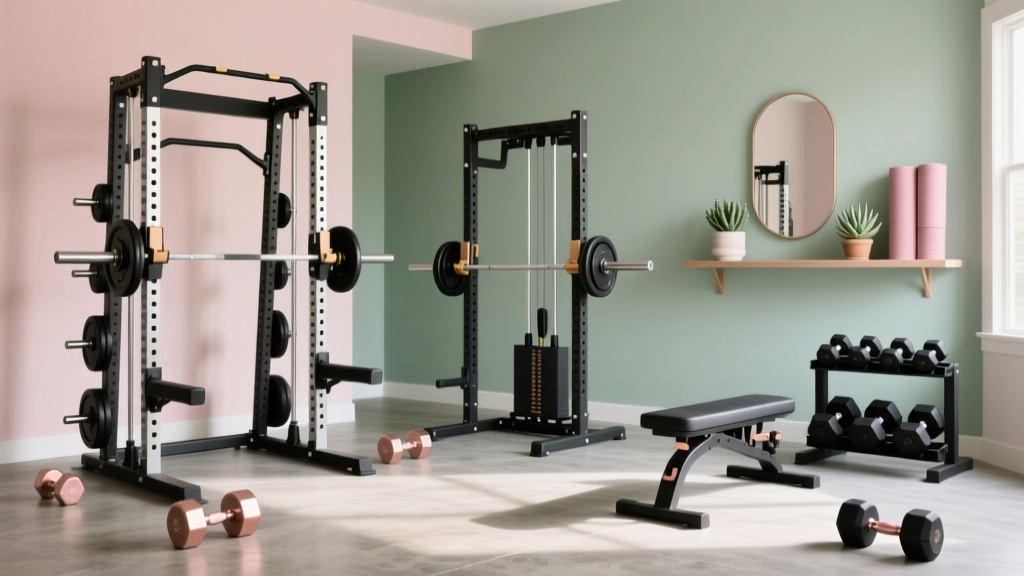
Power Rack vs Squat Rack vs Squat Stand for Your Dumbbell Rose Gym

Rack Layouts & Clearance for the Double Dumbbell Hang Snatch
