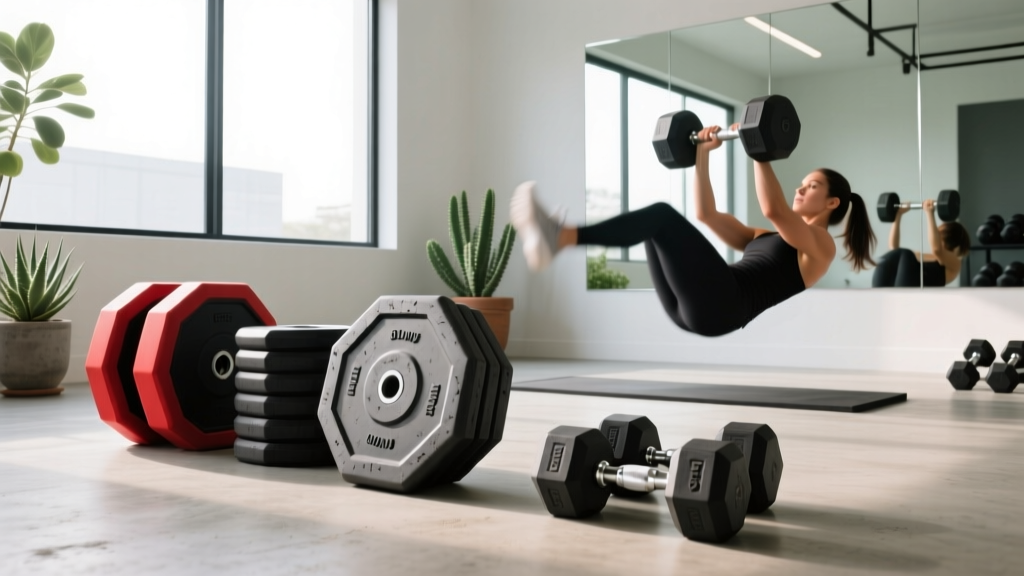
2026 Market Trends: Loadable Dumbbells for Dumbbell Glute Workouts
Discover 2026 market trends for loadable dumbbells with interchangeable plates and how they optimize heavy dumbbell glute workouts for home gyms.

The 2026 Shift: Why Home Gyms Are Abandoning Fixed Dumbbells for Glute Training
The landscape of home gym equipment has undergone a radical transformation as we move through 2026, driven largely by the explosive popularity of targeted lower-body hypertrophy programs. Specifically, the demand for heavy, unilateral, and bilateral dumbbell glute workouts—such as Romanian Deadlifts (RDLs), Bulgarian split squats, and deficit reverse lunges—has exposed the critical limitations of traditional fixed hex dumbbells and dial-adjustable models. Advanced lifters frequently require loads exceeding 70 to 100 pounds per hand to achieve sufficient mechanical tension for gluteus maximus hypertrophy. Purchasing a pair of 100-pound fixed urethane dumbbells can easily cost upwards of $600, while popular dial-adjustable models cap out at 50 to 90 pounds and are notoriously fragile when dropped during heavy split squat failures.
Enter the loadable dumbbell with interchangeable plates. Once considered a niche product for strongman competitors and garage gym purists, Olympic loadable dumbbell handles have captured a massive share of the consumer market in 2026. By pairing a steel handle with standard 50mm Olympic bumper or iron plates, lifters can build a 120-pound dumbbell for a fraction of the cost of fixed equivalents, while gaining the indestructible durability required for high-intensity glute training.
Market Analysis: Cost-Per-Pound and Load Ceilings
To understand why loadable systems are dominating the 2026 market for lower-body training, we must analyze the cost-to-benefit ratio and load ceilings compared to alternative equipment. The economic advantage of interchangeable plate systems becomes starkly apparent when scaling past the 50-pound threshold.
| Equipment Type | Max Load (Per Hand) | Cost for 100lb Setup (Pair) | Durability (Drop Rating) | Space Footprint |
|---|---|---|---|---|
| Fixed Urethane Hex | Fixed (e.g., 100 lbs) | $550 - $800 | High (Steel core) | Massive (Requires rack) |
| Dial-Adjustable (e.g., Nuobell) | 50 - 80 lbs | $450 - $650 | Low (Plastic dials/trays) | Compact |
| Loadable Olympic Handles | 120+ lbs (Sleeve dependent) | $180 - $250 (Handles + Plates) | Indestructible (Solid Steel) | Modular (Plate tree) |
As the data illustrates, the loadable dumbbell system offers a superior cost-per-pound ratio (averaging $2.50 to $3.50 per pound when factoring in the handle and standard bumper plates) while providing a virtually limitless ceiling for progressive overload. According to a comprehensive dose-response study on resistance training volume and muscle mass published in the National Center for Biotechnology Information (NCBI), maximizing mechanical tension through incremental load increases is paramount for hypertrophy in advanced trainees—a feat easily achieved with interchangeable plates but bottlenecked by adjustable dial mechanisms.
Biomechanical Synergy: Sleeve Length, Knurling, and Glute Hypertrophy
When executing heavy dumbbell glute workouts, the equipment's physical geometry directly impacts biomechanical efficiency and grip fatigue. The gluteus maximus is the largest and most powerful muscle in the human body, meaning your grip will almost always fail before your glutes do during heavy RDLs. Loadable dumbbell handles address this through specific design features:
1. Handle Diameter and Knurl Depth
Most premium loadable dumbbell handles feature a 32mm to 35mm shaft diameter, which is thicker than a standard 28mm Olympic barbell. This thicker grip demands more forearm activation but provides a more secure lock for heavy hip-hinge movements. The knurling on high-end models (like those from Rogue Fitness) utilizes a 'volcano' pattern that provides aggressive grip without tearing calluses during high-rep glute bridges.
2. Sleeve Rotation and Bushing Quality
During dynamic movements like dumbbell swing variations or rapid deficit lunges, the plates generate rotational inertia. Loadable handles equipped with high-quality bronze bushings allow the 50mm sleeves to spin independently of the handle. This prevents the dumbbell from violently twisting in your hand, reducing wrist strain and allowing you to focus entirely on the mind-muscle connection in the glutes.
⚠️ Critical Failure Mode Warning: Collar SlippageWhen performing dumbbell hip thrusts, the handles rest vertically against your hips or the floor. Standard spring collars frequently fail under this sheer vertical pressure, causing plates to slide off the sleeve mid-set. For 2026 glute workouts, always use lock-jaw clamps or competition-style aluminum collars on your loadable dumbbells to ensure absolute plate security.
Top Loadable Dumbbell Systems Dominating 2026
Based on current market availability, build quality, and user feedback from the home gym community, here are the premier loadable dumbbell handles optimized for heavy lower-body training:
- Rogue Loadable Dumbbell Handles ($95.00 / pair): The gold standard for 2026. Featuring a 10.5-inch sleeve length, these handles can accommodate over 120 pounds per hand using thin competition bumper plates. The hard chrome finish and deep knurling make them ideal for heavy, chalk-free RDLs.
- Titan Fitness Olympic Dumbbell Handles ($59.99 / pair): The best mid-tier option. With a 9.5-inch sleeve and solid steel construction, they offer exceptional value. The slightly shorter sleeve limits max capacity to roughly 100 pounds per hand (using standard bumpers), which is still more than sufficient for 90% of lifters performing Bulgarian split squats.
- Yes4All Olympic Dumbbell Handle ($45.99 / pair): The budget trendsetter. While the steel quality and knurling are slightly inferior to Rogue, the primary compromise is the bushing system. The sleeves do not spin as smoothly, making them better suited for slow, controlled movements like hip thrusts and goblet squats rather than dynamic lunges.
Programming Progressive Overload with Fractional Plates
One of the most significant advantages of the loadable dumbbell with interchangeable plates is the ability to utilize fractional plates (0.5 lb, 1 lb, and 2.5 lb change plates). Glute isolation and compound movements often suffer from the 'micro-plateau' effect. For example, jumping from 50-pound dumbbells to 60-pound dumbbells for hip thrusts represents a massive 20% load increase, which often leads to form breakdown or lower back compensation.
Research published in the Journal of Strength and Conditioning Research highlights the distinct activation patterns of the gluteus maximus during hip-dominant exercises versus knee-dominant ones. To maximize this activation without compromising lumbar safety, lifters must apply precise, incremental overload. By adding just 1 pound to each side of your loadable dumbbell weekly, you bypass the central nervous system fatigue associated with massive weight jumps. Over a 12-week hypertrophy block, this allows for a seamless 24-pound increase in working weight, a level of precision impossible with fixed hex dumbbells.
Recommended Glute Loading Protocol for Loadable Handles
- Heavy RDLs (Mechanical Tension): 3 sets of 6-8 reps. Use 10lb and 25lb bumper plates to keep the center of mass close to the handle. Load to 80-90% of your grip failure threshold.
- Bulgarian Split Squats (Unilateral Stretch): 3 sets of 8-12 reps per leg. Utilize the 50mm sleeve width to your advantage; the wider profile of the loaded plates acts as a counterbalance, improving torso uprightness and targeting the glute medius.
- Deficit Reverse Lunges (Muscle Damage): 2 sets of 12-15 reps. Stand on a 4-inch bumper plate. Use lighter fractional loads (e.g., 35-45 lbs per hand) to maximize the deep stretch at the bottom of the lunge without overloading the patellar tendon.
Final Verdict: The ROI of Interchangeable Plate Systems
As we analyze the fitness equipment market in 2026, the data is unequivocal: for lifters serious about dumbbell glute workouts, the loadable dumbbell with interchangeable plates is the most intelligent investment available. It eliminates the planned obsolescence of dial-adjustable models, circumvents the exorbitant pricing of fixed dumbbell racks, and provides the biomechanical stability required for heavy, high-volume hypertrophy training. When paired with a quality set of thin-profile bumper plates and secure lock-jaw collars, loadable handles transition from a budget alternative to the premier tool for lower-body development. For more detailed kinesiology breakdowns on targeting the posterior chain, refer to the exercise directories provided by ExRx.net to ensure your loading parameters match your anatomical leverage.
More gear to consider
All reviews
Barbell Clamps: Setup for Squats & Legs Exercises with Dumbbells

Bumper vs Iron Plate Trends & Upper Body Dumbbell Workout Plan

Neoprene Dumbbells for Home Use: Incline Dumbbell Fly Press Guide

Collar Clamp Guide: Barbell Deadlift with Dumbbells
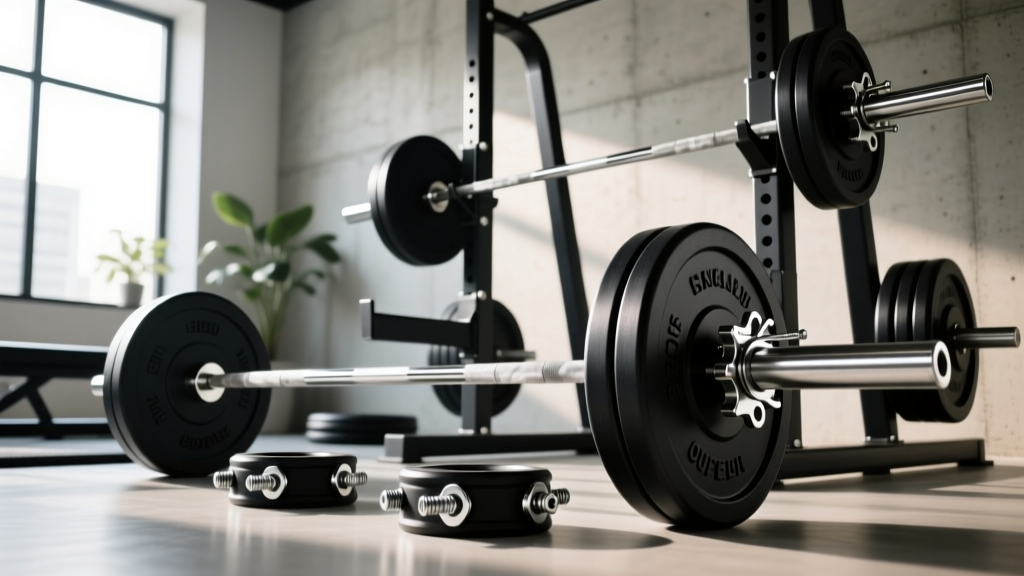
Barbell Collar Types: Safety Beyond a Biceps Workout Using Dumbbells