
Olympic vs Standard Plates: Dumbbell Front Rack Carry Troubleshooting
Troubleshoot common home gym mistakes by comparing Olympic vs standard weight plates and optimizing your dumbbell front rack carry setup for 2026.

The Costly 'Standard' Trap in Modern Home Gyms
Building a functional home gym in 2026 requires navigating a minefield of equipment specifications. Among the most frequent and frustrating mistakes novice lifters make is misunderstanding the fundamental differences between weight plate types: Olympic vs standard. While it might seem like a minor distinction of hole sizes, choosing the wrong plate standard creates a cascading effect of limitations that will ultimately bottleneck your training. Nowhere is this limitation more apparent than when you attempt to scale advanced functional movements, such as the dumbbell front rack carry.
Standard weight plates feature a 1-inch (25mm) center hole, designed to fit budget-friendly, lightweight barbells and dumbbell handles. Olympic plates, the undisputed global standard for serious lifting, feature a 2-inch (50mm) center hole. According to comprehensive equipment guides from BarBend, Olympic plates offer superior weight distribution, tighter manufacturing tolerances, and vastly higher load capacities. But how does a barbell plate specification affect a dumbbell exercise? The answer lies in the mechanics of loadable dumbbell handles and the physical limits of 1-inch sleeves.
Why Plate Types Dictate Your Dumbbell Front Rack Carry
The dumbbell front rack carry is a brutal, highly effective core and conditioning exercise. It requires you to clean heavy dumbbells to the shoulders, brace your anterior core, and walk for distance or time while maintaining an upright torso. To elicit a true strength and conditioning stimulus, advanced lifters typically need to hold 40 to 70+ pounds per hand.
If you built your gym around standard 1-inch plates, you are likely using standard loadable dumbbell handles. Here is where the troubleshooting begins:
- Sleeve Length Limitations: A standard 1-inch dumbbell handle typically has a sleeve length of only 8 to 10 inches.
- Plate Bulk: Standard cast iron plates are thick, and budget cement-filled plates are massively bulky. You physically cannot fit enough standard plates on a 1-inch sleeve to reach 50 pounds.
- Bar Bending and Safety: Even if you manage to stack 40 pounds of 1-inch cast iron plates onto a standard handle, the thin 1-inch steel bar will visibly bow and bend under the torque of a heavy front rack carry, risking a catastrophic mid-walk failure.
The Physics of Loadable Olympic Dumbbells
To properly load a heavy dumbbell for a front rack carry, you need Olympic loadable dumbbell handles (such as the Rogue Loadable Dumbbell Handles). These feature robust 2-inch sleeves that can accommodate slim, high-density Olympic plates. By utilizing 10lb or 25lb Rogue Echo Bumper Plates or machined steel Olympic plates, you can easily load 60+ pounds per hand on a rigid, high-tensile steel shaft that will not bend, ensuring your dumbbell front rack carry is limited by your core and grip, not your equipment's structural integrity.
Olympic vs Standard Weight Plates: 2026 Comparison Matrix
To help you troubleshoot your current inventory and plan future purchases, review the exact specifications and market realities of both plate types below.
| Feature | Standard Plates (1-Inch) | Olympic Plates (2-Inch) |
|---|---|---|
| Center Hole Diameter | 1 inch (25mm) | 2 inches (50mm) |
| Max Barbell Load | ~200 - 250 lbs (bar bends) | 450 - 1,000+ lbs (high tensile) |
| Loadable Dumbbell Capacity | Max ~30 lbs (sleeve space limits) | Max 70+ lbs (long, thick sleeves) |
| Material Quality | Cast iron, cement-filled plastic | Virgin rubber, urethane, calibrated steel |
| Average 2026 Cost | $1.20 - $1.50 per lb | $2.00 - $5.00 per lb |
| Gym Compatibility | Home-only, non-transferable | Universal (matches all commercial gyms) |
If your standard plates are cement-filled with a plastic shell (common in big-box retail stores), discard them immediately for functional fitness. The extreme thickness of these plates makes stacking them on loadable handles impossible. Furthermore, the internal cement shifts over time, altering the center of gravity. When holding an asymmetrical, shifting weight during a dumbbell front rack carry, you drastically increase your risk of a rotational spinal injury.
Step-by-Step: Transitioning to an Olympic Setup
If you have identified that your 1-inch standard plates are holding back your training, follow this troubleshooting framework to upgrade your home gym efficiently without wasting money.
- Liquidate the Standard Iron: Sell your 1-inch plates and bars on local marketplace apps. Standard iron holds decent resale value to beginners, allowing you to recoup 50-70% of your initial investment.
- Invest in an Olympic Barbell and Bumpers: Purchase a multi-purpose Olympic barbell and a basic set of rubber bumper plates (10s, 25s, and 45s). Bumpers share the same 2-inch diameter regardless of weight, which is crucial for loading dumbbell handles.
- Acquire Olympic Loadable Handles: Buy a pair of Olympic loadable dumbbell handles. Ensure they have a sleeve length of at least 6.5 inches and feature secure spring collars or clamp-down locking mechanisms to prevent plates from sliding during dynamic movements.
Executing the Heavy Dumbbell Front Rack Carry
Once you have upgraded to Olympic plates and loadable handles, you can safely scale the dumbbell front rack carry to the heavy loads required for elite core adaptation. The National Strength and Conditioning Association (NSCA) emphasizes that loaded carries are foundational for developing dynamic core stiffness and anti-extension strength.
Setup and Bracing
Load your Olympic dumbbell handles to a challenging weight (e.g., 50 lbs per hand). Clean the dumbbells to your shoulders. The knurling of a high-quality Olympic handle will bite into your calluses, securing your grip. Wedge the dumbbell heads against your anterior deltoids and upper chest. Your elbows should point forward, not flared out.
The Breathing Protocol
'The front rack position compresses the diaphragm. You cannot take deep, belly-expanding breaths while holding 100+ pounds of total load on your ribcage. You must learn to sip air—taking shallow, rapid breaths into the upper chest while maintaining a crushing brace through the transverse abdominis.' — Biomechanics of Loaded Carries
The Walk
Take short, deliberate steps. Do not over-stride, as over-striding forces the pelvis into an anterior tilt, breaking your core brace and placing sheer force on the lumbar spine. Walk for 40 to 60 seconds, focusing on keeping the ribs pulled down and the glutes engaged with every foot strike.
Final Verdict: Stop Letting Your Plates Limit Your Potential
The debate between weight plate types—Olympic vs standard—isn't just about barbell lifting; it dictates the ceiling of your entire functional fitness regimen. Standard 1-inch plates are a dead-end investment that will physically prevent you from loading implements heavily enough to stimulate advanced adaptations. By upgrading to 2-inch Olympic plates and compatible loadable handles, you unlock the ability to perform heavy, uncompromised variations of the dumbbell front rack carry, farmer's walks, and heavy lunges. Troubleshoot your gear today, invest in the 50mm standard, and build a home gym that will actually support your 2026 strength goals.
More gear to consider
All reviews
Olympic Barbell Buying Guide: Weight, Knurling & Hammer Rows Dumbbell Synergy
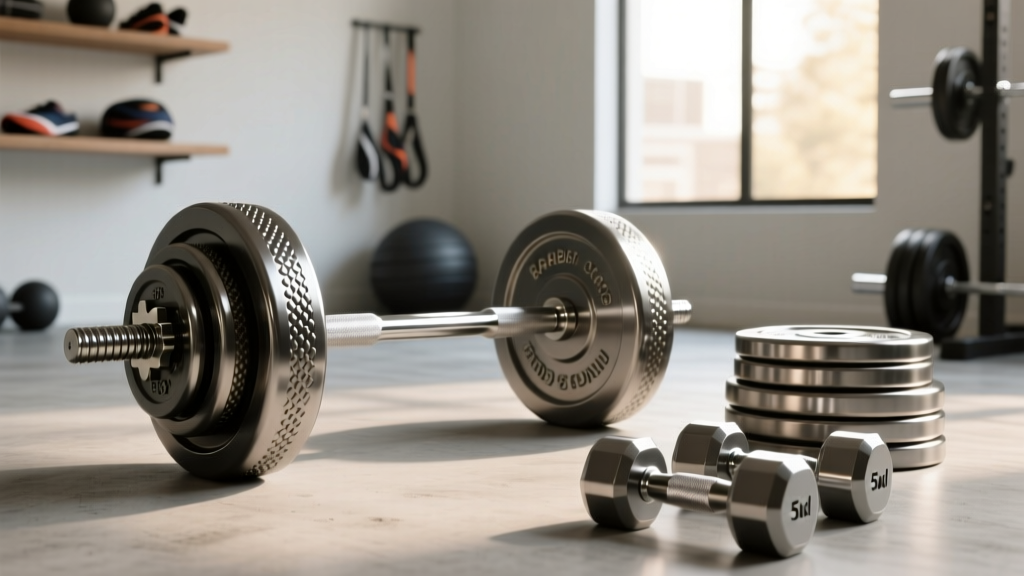
Beyond 5 Pound Dumbbell Exercises: Barbell Weight and Knurling
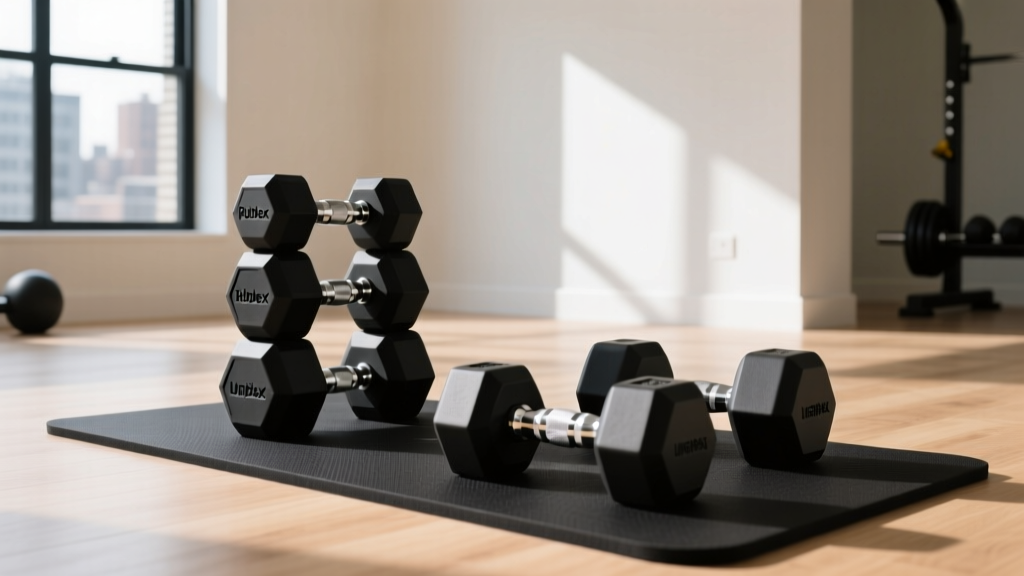
What's a Dumbbell Layout? Rubber Hex vs Urethane Space Guide
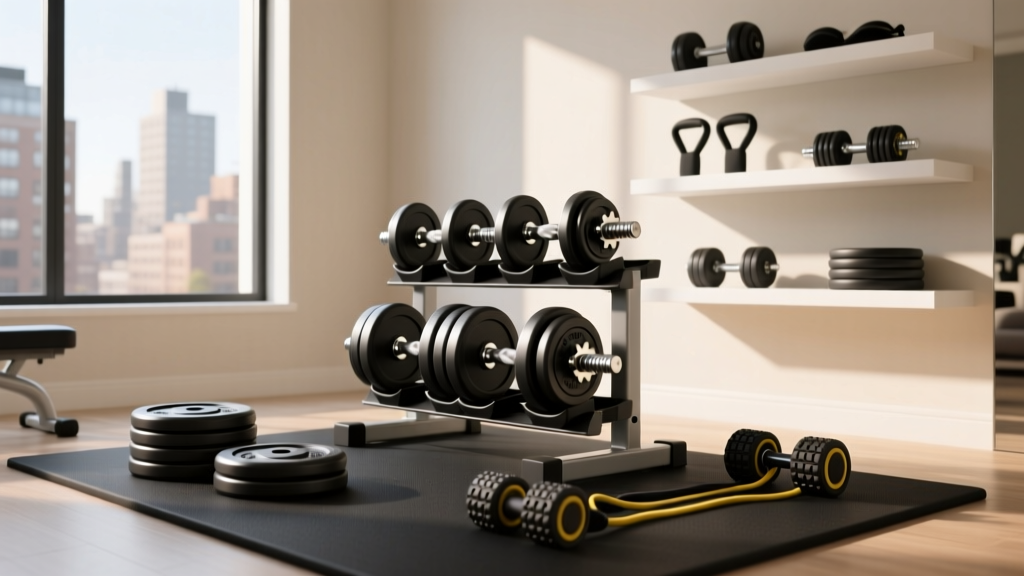
Space Optimization: Loadable Plates and Wrist Curls with Dumbbells

Olympic Barbell Weight & Knurling: Beyond the Monkey Foot Dumbbell
