
Olympic vs Standard Plates: Gear for the Dumbbell Forward Lunge
Discover the differences between Olympic and standard weight plates, and learn how to choose the right gear to perfect your dumbbell forward lunge.

The Home Gym Plate Dilemma: 1-Inch vs. 2-Inch
When beginners build a home gym, they often prioritize foundational, unilateral movements like the dumbbell forward lunge to build leg strength and correct muscle imbalances. However, as you progress, purchasing a barbell and a set of weight plates becomes inevitable. This creates a critical equipment crossroads: do you invest in 1-inch standard plates or 2-inch Olympic plates?
Your choice extends far beyond barbell squats and deadlifts. The plate sizing standard you choose directly impacts your unilateral training, especially if you plan to use loadable dumbbell handles or hold weight plates directly in your hands for weighted lunges. In this step-by-step guide, we will break down the metallurgical, financial, and biomechanical differences between standard and Olympic weight plates, and show you exactly how to optimize your gear for the dumbbell forward lunge in 2026.
Spec Comparison Matrix: Standard vs. Olympic
Before diving into movement mechanics, it is vital to understand the physical specifications of the two dominant weight plate categories. The primary difference lies in the center hole diameter, which dictates the barbells and dumbbell handles you can use.
| Feature | Standard Plates (1-Inch) | Olympic Plates (2-Inch) |
|---|---|---|
| Center Hole Diameter | 1 inch (25.4 mm) | 2 inches (50.8 mm) |
| Typical Barbell Max Load | 200 - 300 lbs | 700 - 1,500+ lbs |
| Material Options | Cast iron, vinyl/cement filled | Cast iron, rubber, urethane, bumper |
| Average 2026 Cost | $0.60 - $1.50 per lb | $2.00 - $5.00 per lb |
| Loadable Dumbbell Handles | Spinlock handles (max ~40 lbs/hand) | Heavy-duty sleeves (max 100+ lbs/hand) |
How Plate Choice Impacts the Dumbbell Forward Lunge
You might be wondering: Why do weight plates matter for a dumbbell exercise? As your leg strength increases, you will eventually outgrow standard fixed-weight dumbbells. Buying a full rack of heavy dumbbells is prohibitively expensive (often exceeding $1,500 for a 5-50 lb set). The most cost-effective solution is purchasing loadable dumbbell handles and using your weight plates.
The Grip and Clearance Problem
Here is a real-world troubleshooting insight that most beginner guides miss: the physical dimensions of your plates will dictate your lunge mechanics.
- The Standard Plate Failure Mode: Standard 1-inch plates (especially the cheap vinyl/cement-filled varieties) are incredibly bulky. A 25-lb cement plate can be over 14 inches in diameter and 2.5 inches thick. Loading these onto a 1-inch spinlock dumbbell handle creates an unbalanced, overly thick grip that causes premature forearm fatigue before your quadriceps reach failure.
- The Olympic Bumper Plate Failure Mode: Olympic bumper plates are uniformly 17.7 inches (450mm) in diameter, regardless of weight. If you attempt to hold a 10-lb or 15-lb Olympic bumper plate in each hand for a deep forward lunge, the bottom of the plate will strike the floor before your knee reaches full flexion, artificially limiting your range of motion.
- The Optimal Solution: Use 2-inch Olympic cast iron or urethane plates (which scale in diameter based on weight) paired with Olympic loadable dumbbell handles, such as the Rogue Loadable Dumbbell Handles (approx. $130/pair). This allows you to load 65+ lbs per hand while maintaining proper floor clearance and a secure grip.
Step-by-Step Guide: Executing the Dumbbell Forward Lunge
Whether you are using fixed dumbbells, loadable Olympic handles, or simply gripping standard iron plates by their edges, proper biomechanics are non-negotiable. According to exercise mechanics data from ExRx.net, the forward lunge is a closed-kinetic-chain exercise that heavily targets the quadriceps, gluteus maximus, and adductor magnus.
- The Setup and Grip: Stand tall with your feet hip-width apart. Hold your dumbbells (or plates) at your sides with a neutral, firm grip. Retract your shoulder blades slightly to engage your lats and stabilize the load.
- The Deceleration Phase: Take a controlled step forward (about 2 to 2.5 feet, depending on your height). As your lead foot makes contact, begin to decelerate your body weight over 2 full seconds. Do not drop into the lunge; control the descent.
- Ground Contact and Depth: Lower your hips until both knees are bent at approximately 90 degrees. Your trailing knee should hover roughly one inch above the floor. Your lead heel must remain firmly planted; if your heel lifts, your stance is too short.
- The Concentric Drive: Push explosively through the mid-foot and heel of your lead leg. Do not push off your trailing toe. Drive your body weight straight up and slightly back to return to the starting stance.
Torso Angle: Glute vs. Quad Bias
As highlighted by physical therapy resources at the Cleveland Clinic, minor adjustments to your torso angle can shift the muscular focus of the lunge. For a quad-dominant lunge, keep your torso completely upright and take a slightly shorter step. For a glute-dominant lunge, take a longer step and allow your torso to hinge forward at a 45-degree angle, which increases hip flexion and stretches the gluteus maximus under load.
Common Failure Modes and Edge Cases
⚠️ Warning: Knee Valgus and Joint Stress
The most common error during the dumbbell forward lunge is knee valgus—where the lead knee caves inward toward the midline of the body during the drive phase. This places immense shear stress on the ACL and MCL. To fix this, actively think about "screwing" your lead foot into the floor and pushing your knee outward so it tracks directly over your second and third toes.
2026 Buying Framework: Which Plates Should You Choose?
If you are outfitting a home gym today, the industry consensus heavily favors the Olympic standard for long-term scalability. Here is a practical decision framework based on your budget and goals:
Choose 1-Inch Standard Plates If:
- You are on a strict budget (under $150 for your entire plate set).
- You only plan to lift light weights (under 150 lbs total) and focus primarily on high-rep endurance work.
- You are buying a pre-packaged beginner kit from a big-box sporting goods store and have no plans to upgrade to a power rack.
Choose 2-Inch Olympic Plates If:
- You plan to progressively overload compound lifts (squats, deadlifts, heavy lunges) beyond 200 lbs.
- You want to use high-quality loadable dumbbell handles to simulate heavy dumbbell movements without buying a $2,000 dumbbell rack.
- You care about resale value. According to market trends tracked by Rogue Fitness and secondary market data, Olympic cast iron and urethane plates hold up to 70-80% of their retail value, whereas standard cement plates are virtually worthless on the used market.
Frequently Asked Questions
Can I use Olympic plates on a standard 1-inch bar?
No, the 2-inch hole will not fit securely. While you can buy plastic adapter rings (2-inch to 1-inch), they are highly discouraged for heavy, dynamic movements like lunges or barbell squats, as they introduce a dangerous lateral wobble and can crack under heavy shear forces.
Are hex-shaped dumbbell handles better for lunges?
If you are buying fixed-weight rubber hex dumbbells, the hex shape prevents them from rolling away when you set them down between sets. However, if you are using loadable handles with weight plates, the sleeves must be round to allow the plates to spin freely during the movement, reducing torque on your wrists.
How heavy should my dumbbell forward lunge be?
A general strength standard for intermediate lifters is to lunge with a combined dumbbell weight equal to 30-40% of your body weight (e.g., a 180 lb lifter holding two 30 lb dumbbells) for 8-10 reps per leg. If you exceed 50 lbs per hand, you may want to transition to a barbell walking lunge or a safety squat bar lunge to avoid grip strength becoming the limiting factor.
More gear to consider
All reviews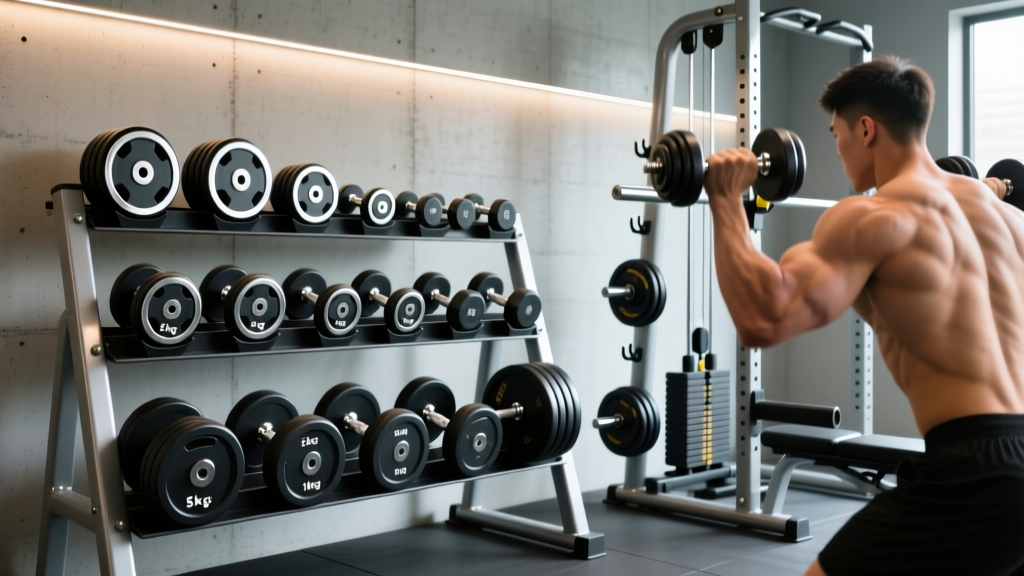
Home Gym Setup: Plate Types & Correct Dumbbell Press Form
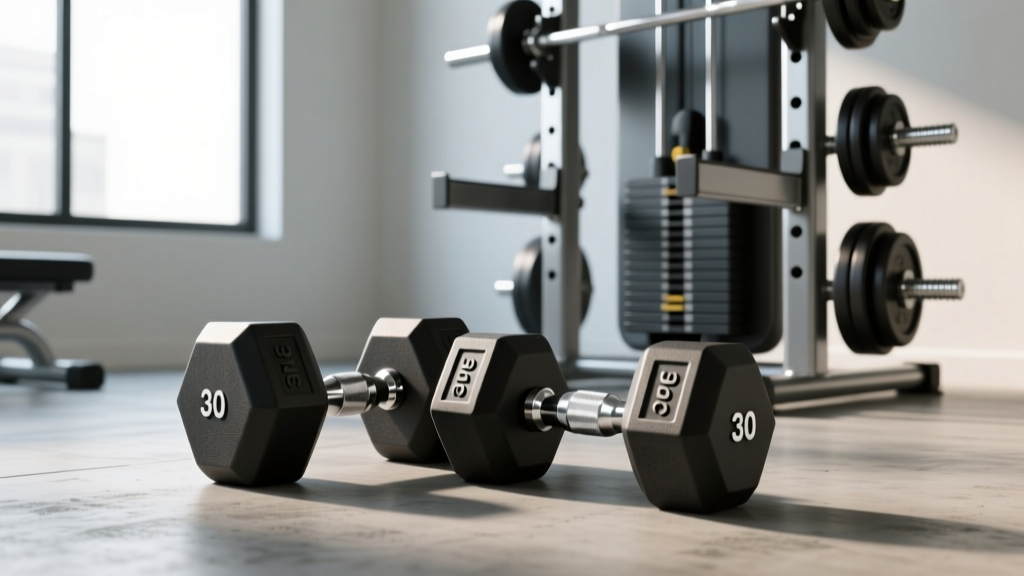
How Much Are 30 Pound Dumbbells & Best Storage Racks

Rubber Hex vs Urethane: Longevity Care for Squats with Dumbbells

Dumbbell Around the World Muscles Worked: 2026 Adjustable Dumbbell Guide
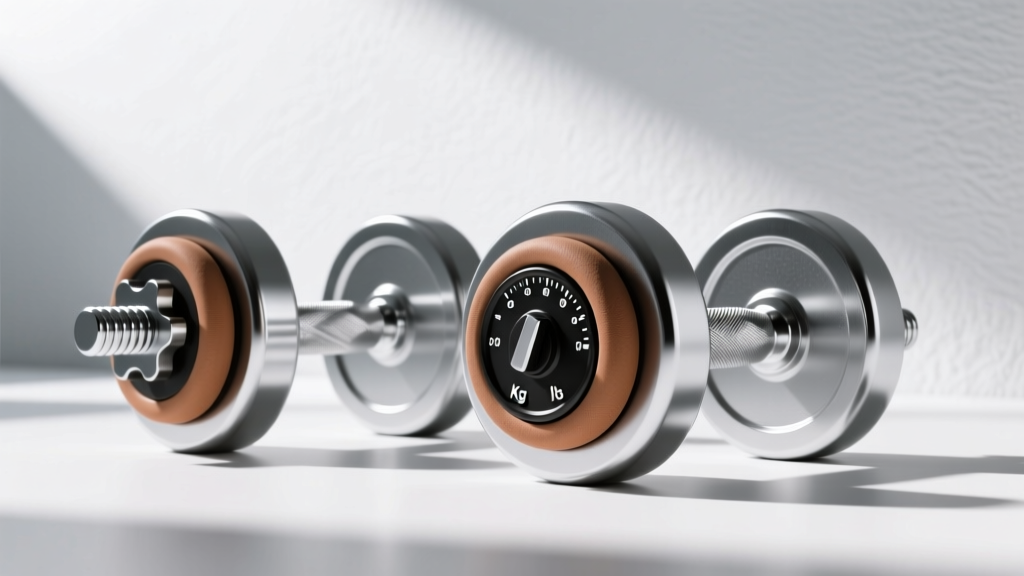
Fixing Dumbbell Nan Kilo Errors: Adjustable Weight Troubleshooting
