
Barbell Collar & Clamp Comparison: Squats & Shoulder Curls with Dumbbells
Compare barbell collar and clamp types. Discover the best locking mechanisms for heavy squats, Olympic lifts, and shoulder curls with dumbbells.

The Physics of Plate Shift and Sleeve Tolerances
In the realm of free weights, the barbell collar is the unsung hero of the home and commercial gym. While lifters obsess over knurling patterns and bar whip, the mechanism that secures the plates dictates the safety and biomechanical integrity of the lift. An Olympic barbell sleeve measures exactly 50mm in diameter, but manufacturing tolerances can cause sleeves to range from 49.8mm to 50.2mm. When a heavy barbell is dropped, or when a lifter performs high-velocity Olympic movements, plates can shift by fractions of a millimeter. Over a set of ten repetitions, this micro-shift compounds, altering the center of mass and introducing dangerous rotational torque to the lifter's spine and wrists.
Choosing the right barbell collar or clamp is not merely about convenience; it is about force management. According to safety guidelines published by the National Strength and Conditioning Association (NSCA), securing weight plates is a non-negotiable standard for both novice and elite lifters to prevent asymmetrical loading injuries. In this comprehensive 2026 guide, we break down the head-to-head product comparison of the most popular collar types on the market.
Head-to-Head Barbell Collar and Clamp Comparison Matrix
Below is a structured comparison of the industry's leading barbell security devices, factoring in current 2026 pricing, clamping mechanisms, and ideal use cases.
| Model | Type | Weight (per pair) | Price (2026) | Best For | Drop Rating |
|---|---|---|---|---|---|
| Rogue AH-2 | Spring Collar | 0.5 lbs | $22.00 | General fitness, bench press | Low (Fails on high drops) |
| Lock-Jaw Pro | Clamp / Latch | 1.2 lbs | $38.00 | CrossFit, Olympic lifting | High (Survives repeated drops) |
| Eleiko Olympic Collar | Competition Lock | 5.5 lbs (2.5kg) | $115.00 | IWF Competition, Heavy Squats | Maximum (Solid steel core) |
| Bullzeye Clamp | Quick-Release Clamp | 0.8 lbs | $28.00 | Fast-paced circuits | Medium |
Spring Collars: The Traditional Economy Standard
Spring collars, like the ubiquitous Rogue AH-2, rely on the tension of heavy-gauge steel wire to grip the barbell sleeve. Priced affordably at around $22 per pair, they are the default choice for most commercial gyms and garage setups.
Pros and Cons of Spring Collars
- Pros: Extremely lightweight, inexpensive, and universally compatible with any 50mm sleeve regardless of minor manufacturing variances.
- Failure Mode: The primary failure mode is tension fatigue. After 12 to 18 months of heavy use, the steel wire loses its tensile memory, resulting in a loose grip that allows plates to rattle and slide during incline presses or jerks.
- Edge Case: Spring collars are notorious for scratching chrome and zinc barbell sleeves if grit or chalk becomes trapped between the wire and the metal.
Clamp and Lock-Jaw Mechanisms: The Modern Workhorse
For athletes who drop barbells from overhead, polymer-based clamp collars like the Lock-Jaw Pro have become the gold standard. These devices use a hard ABS plastic shell with an internal rubberized gasket that clamps down via a heavy-duty latch mechanism.
"The shift from spring collars to polymer clamp collars in functional fitness spaces over the last decade has drastically reduced the incidence of plate-shift injuries during high-cycle barbell workouts."
The Lock-Jaw Pro ($38) utilizes a dual-stage locking mechanism. When you snap the lever shut, an internal cam pushes the rubber gasket against the 50mm sleeve, creating immense friction. Unlike spring collars, clamp collars do not lose tension over time. However, they are susceptible to UV degradation and extreme cold. If you train in an unheated garage in sub-zero temperatures, the ABS plastic can become brittle and shatter upon impact with the floor.
Competition-Grade Locking Collars: The IWF Standard
When stepping onto the platform, the rules change entirely. The International Weightlifting Federation (IWF) mandates specific technical parameters for competition collars. Competition collars, such as the Eleiko Olympic Weightlifting Collars ($115), are not just safety devices; they are calibrated weight plates in their own right.
Each Eleiko competition collar weighs exactly 2.5 kilograms. This weight is factored into the total load of the barbell. These collars feature a solid steel core encased in high-durometer rubber, secured by a threaded screw mechanism that bites into the sleeve without marring the chrome. They offer zero plate shift, even when a 200kg clean and jerk is dropped from a height of two meters onto competition-grade bumper plates.
Translating Stabilization: Barbell Compounds vs. Isolation
Biomechanics Insight: External vs. Internal Stabilization
When programming a balanced hypertrophy block, athletes often pair heavy barbell compounds with strict isolation work. The external stabilization provided by a high-quality barbell collar during a heavy squat is the mechanical opposite of the internal joint stabilization required when performing strict shoulder curls with dumbbells.
In the case of shoulder curls with dumbbells, your rotator cuff, anterior deltoid, and bicep brachii must micro-adjust to the independent, shifting center of mass of each dumbbell. The nervous system is forced to stabilize the load internally. Conversely, during a barbell back squat, the collar ensures the barbell acts as a single, unified lever. If a cheap spring collar fails and a 45lb plate slides two inches outward, the lifter's central nervous system cannot compensate for the sudden asymmetrical torque, often resulting in a catastrophic spinal twist. Understanding this dichotomy is crucial for lifters transitioning between heavy bilateral barbell work and unilateral dumbbell isolation.
Real-World Failure Modes and Edge Cases
To truly evaluate barbell collars, we must look beyond the manufacturer's claims and examine how they fail in real-world gym environments.
- The Chalk Buildup Factor: In gyms where liquid or block chalk is heavily used, the internal rubber gaskets of clamp-style collars (like the Bullzeye or Lock-Jaw) accumulate a fine layer of magnesium carbonate. This chalk acts as a dry lubricant, reducing the coefficient of friction between the collar and the barbell sleeve. Solution: Wipe the inner gasket with a damp microfiber cloth weekly to maintain maximum clamping force.
- Sleeve Diameter Variance: Not all barbells are created equal. While an Eleiko or Rogue barbell sleeve will measure a precise 50mm, cheaper import barbells often feature sleeves that taper or measure up to 50.4mm. Clamp collars with rigid plastic housings may fail to latch securely on these oversized sleeves, whereas spring collars will stretch to accommodate the variance.
- Urethane vs. Rubber Bumper Plates: High-density urethane plates are thinner and harder than crumb-rubber bumpers. When dropped, urethane transmits more shockwave energy laterally through the barbell sleeve. This lateral shockwave can cause poorly secured clamp collars to inch outward over a set of 5 reps, whereas the heavy mass of a competition screw-collar absorbs the vibration.
Frequently Asked Questions
Q: Do I need to use collars for bench press?
A: Absolutely. The NSCA heavily advises using collars on all free weight movements. If you fail a bench press and the bar tilts, an uncollared plate will slide off, causing the opposite side of the bar to violently catapult downward, leading to severe facial or thoracic injuries.
Q: Can clamp collars damage my barbell's knurling or finish?
A: Standard clamp collars only contact the smooth sleeve of the barbell, not the knurled shaft. However, if grit is trapped inside the collar, it can leave superficial micro-scratches on zinc or chrome finishes. Black cerakote sleeves are highly resistant to this type of abrasion.
Q: Are quick-release clamps safe for heavy squats?
A: Quick-release clamps (like the Bullzeye) are excellent for fast-paced circuits and light-to-moderate loads. For heavy squats exceeding 315 lbs, or for Olympic lifting, you should upgrade to a Lock-Jaw Pro or a threaded competition collar to ensure maximum lateral stability.
Final Verdict: Matching the Collar to the Lifter
The ideal barbell collar depends entirely on your training modality. For general fitness enthusiasts who prioritize speed and convenience, the Bullzeye Clamp offers the best balance of price ($28) and quick-release functionality. For CrossFit athletes and Olympic weightlifters who subject their equipment to high-impact drops, the Lock-Jaw Pro remains the undisputed champion of polymer clamps. Finally, for powerlifters, competitive weightlifters, and gym owners who demand absolute zero-tolerance plate shift, the Eleiko Olympic Collar is a mandatory investment in safety and performance.
More gear to consider
All reviews
Cast Iron vs Competition Kettlebell Care & Dumbbell Step Up for Glutes

Gym Layout: Kettlebells & Seated Dumbbell Overhead Triceps Extension
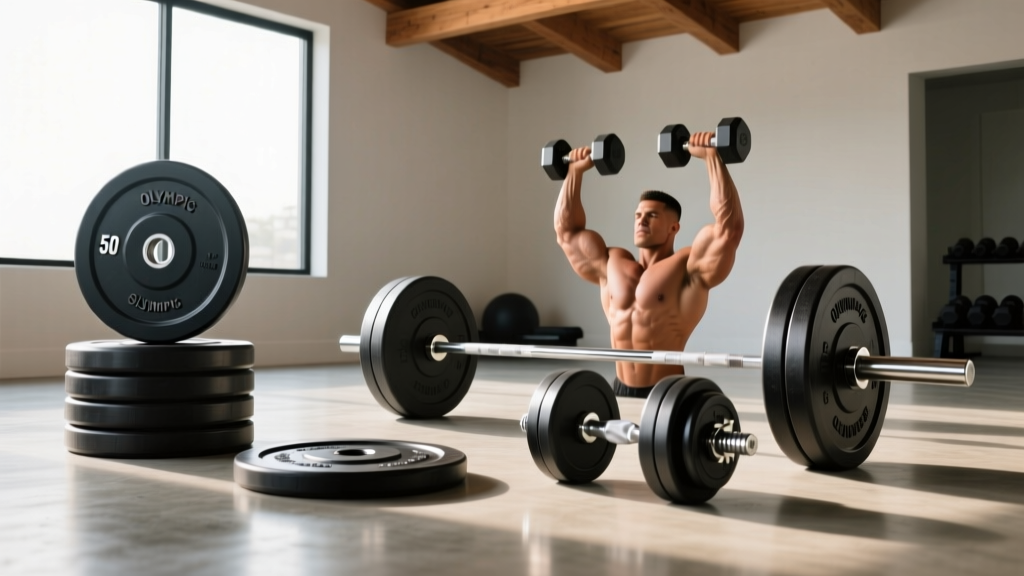
Olympic vs Standard Plates: Troubleshooting Gear & Dumbbell Skull Crusher Muscles Worked
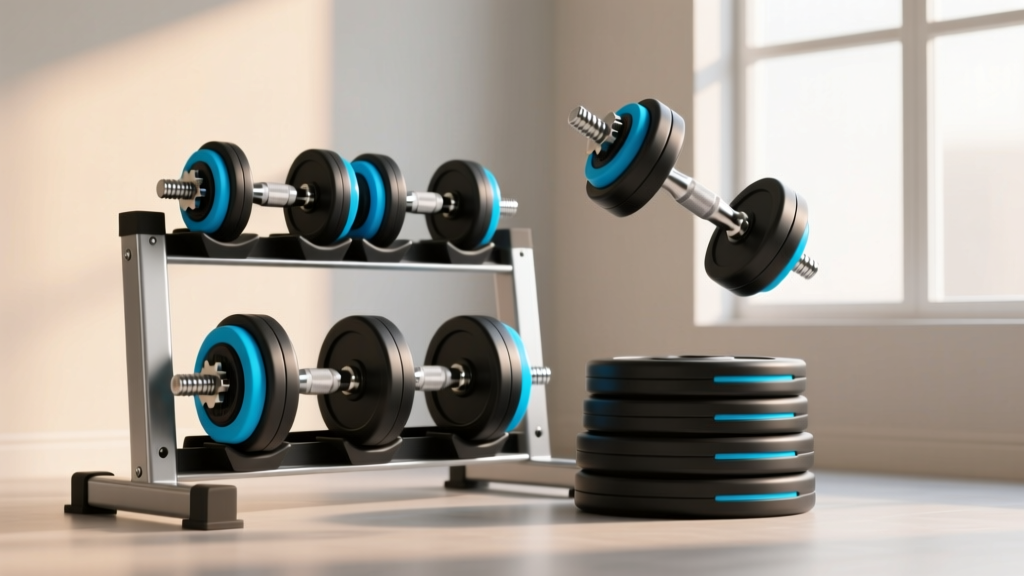
Dumbbells Five Below vs Loadable Plates: 2026 Market Analysis
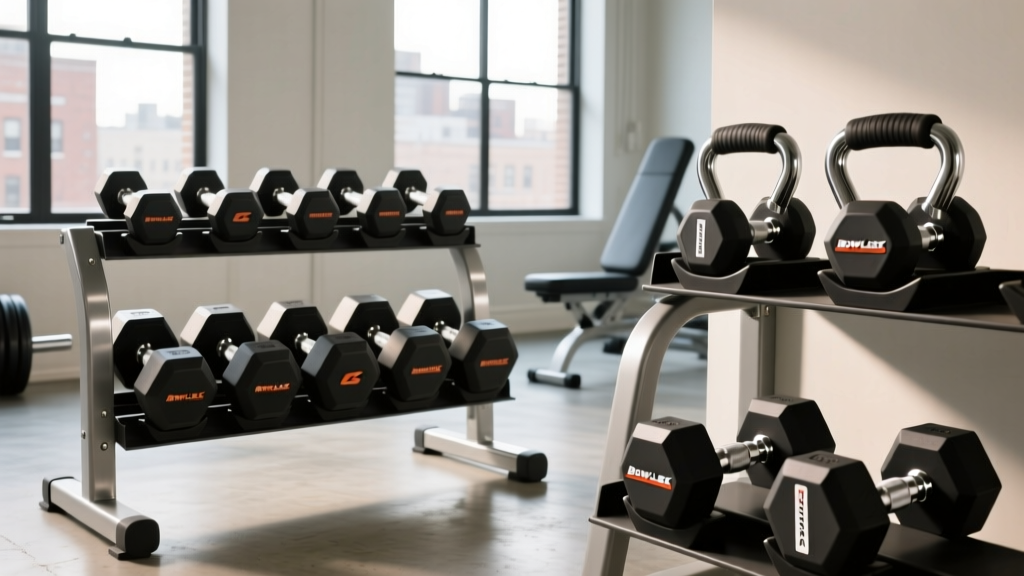
Counterfeit Bowflex Dumbbells: 2026 Storage & Rack Safety Trends
