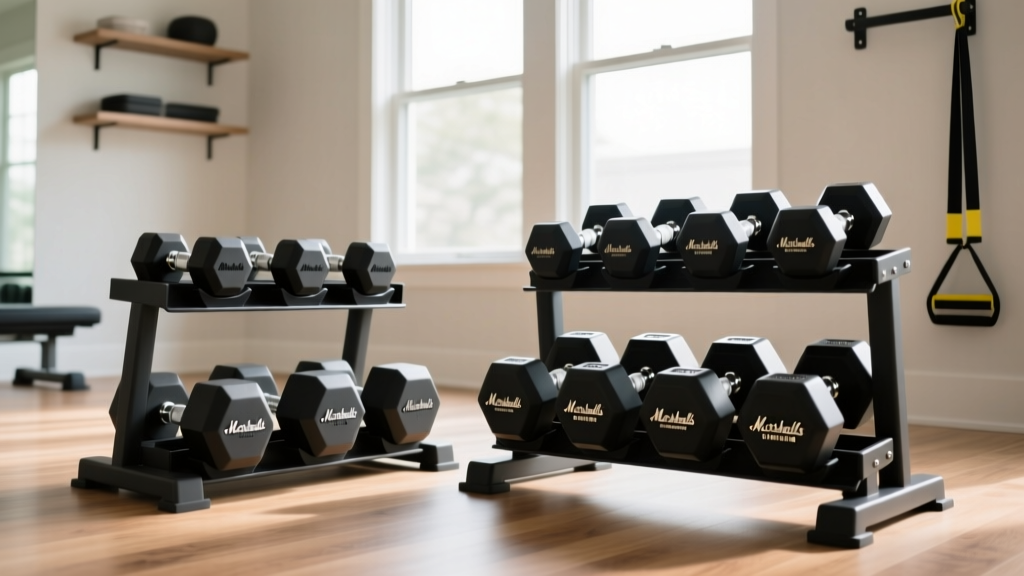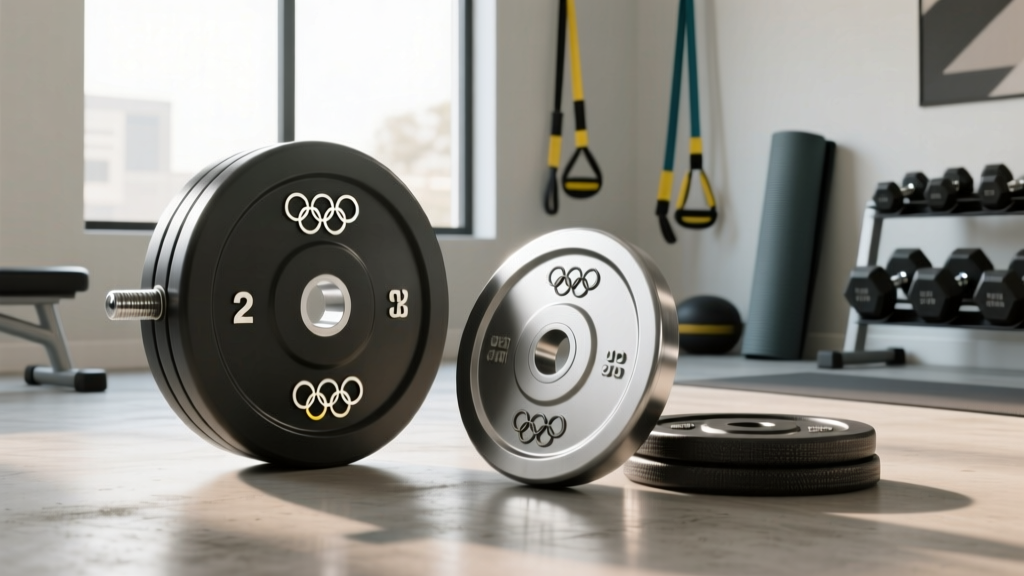
Olympic vs Standard Weight Plates for Dumbbell Floor Exercises
Discover whether Olympic or standard weight plates are best for dumbbell floor exercises. We compare costs, grip, and home gym compatibility.

The Home Gym Dilemma: 1-Inch vs 2-Inch Architecture
As minimalist home gyms and garage workout spaces continue to evolve in 2026, floor-based training has surged in popularity. Without a dedicated bench, lifters are turning to the floor for pressing, flying, and core work. But when outfitting your space with plate-loaded adjustable dumbbells or using raw plates for weighted movements, a critical question arises: should you invest in standard (1-inch) or Olympic (2-inch) weight plates?
While Olympic plates dominate commercial gyms, standard plates still hold a massive share of the budget home fitness market. Choosing between the two drastically alters your biomechanics, grip comfort, and long-term equipment costs during dumbbell floor exercises. This head-to-head comparison breaks down the exact specifications, real-world pricing, and hidden performance differences you need to know before buying.
Core Specifications: The Tale of the Tape
The most obvious difference lies in the center hole diameter, but the cascading effects on plate thickness, weight distribution, and sleeve compatibility are where the real divergence happens.
| Feature | Standard Plates (1-Inch) | Olympic Plates (2-Inch) |
|---|---|---|
| Center Hole | 25.4mm (1 inch) | 50.4mm (2 inches) |
| Max Plate Weight | Typically 25 lbs - 50 lbs | Typically 45 lbs - 100 lbs |
| 45lb/20kg Diameter | N/A (Maxes out lower per plate) | 450mm (17.7 inches) |
| Material Options | Cast Iron, Vinyl-Filled Cement | Cast Iron, Urethane, Rubber Bumper |
| Avg Cost Per Pound (2026) | $1.00 - $1.40 / lb | $1.60 - $3.50 / lb |
Battle of the Biomechanics: Floor Presses and Flyes
When performing dumbbell floor exercises like the floor press or chest flye, your range of motion (ROM) is dictated by when your triceps or the equipment touches the ground. This is where plate diameter becomes a massive, often overlooked factor.
The Range of Motion Trap
If you are using plate-loaded adjustable dumbbell handles, the physical size of the plates dictates your bottom position. A standard 45-pound Olympic plate has a universal diameter of 450mm (17.7 inches). If you load a single 45lb Olympic plate onto an 18-inch dumbbell handle, the plate's edge will strike the floor before your elbow touches down. This artificially shortens your ROM, robbing your pectorals of the deep stretch required for maximum hypertrophy.
Conversely, standard cast iron plates are much smaller in diameter. A standard 25-pound plate measures roughly 12 inches across. By stacking multiple 10lb or 25lb standard plates, the weight is distributed closer to the handle, allowing your elbow to comfortably touch the floor before the plates make contact. For strict, deep-stretch floor presses, standard plates actually offer a biomechanical advantage for heavy single-plate loads.
Pro-Tip for Olympic Users
If you already own Olympic plates and want to perform deep dumbbell floor exercises, avoid using the 45lb/20kg bumpers or iron plates on your dumbbell handles. Instead, load multiple 10lb or 5lb Olympic fractional plates. Their smaller diameters will clear the floor and allow for a full triceps stretch.
Grip Ergonomics: Halos, Passes, and Core Work
Weight plates aren't just for loading onto handles; they are frequently used as standalone implements for floor-based core and mobility drills. Exercises like plate halos, Russian twists, and seated ground passes require you to grip the plate directly by its outer edge.
Standard Plates: The Knuckle Busters
Standard cast iron plates are notorious for their thin, sharp outer lips. During high-repetition floor core circuits, gripping a 25lb standard plate by its narrow edge can cause severe hand fatigue and dig into your palms. Furthermore, vinyl-coated standard plates (often filled with cement) feature bulky, uneven seams that make secure gripping during dynamic movements like overhead halos highly unreliable.
Olympic Plates: The Ergonomic Edge
High-quality Olympic plates—specifically urethane or precision-cast iron models like those from REP Fitness—feature wide, raised outer flanges. These 2-to-3-inch wide lips provide a secure, ergonomic grip shelf for your fingers. When performing a plate halo around the head while lying on the floor, an Olympic urethane plate offers vastly superior control and safety compared to a standard iron plate.
'The shift toward functional floor training means we have to look at plates not just as dead weight, but as hand-held implements. The wider gripping flanges on modern Olympic plates make them infinitely superior for rotational core work.' — Home Gym Engineering Report, 2025
Market Analysis: Cost, Space, and Resale Value
Budget is usually the primary driver for consumers debating standard vs. Olympic gear. However, looking strictly at upfront costs in 2026 paints an incomplete picture.
- Upfront Cost: Standard plates win easily. You can frequently find CAP Barbell 1-inch cast iron sets on sale for around $1.10 per pound. Olympic iron plates generally start at $1.60 per pound, while premium urethane or Rogue Echo Bumper Plates can push past $3.00 per pound.
- Equipment Compatibility: Standard plates lock you into 1-inch dumbbell handles and cheap, low-capacity spin-lock collars. Olympic plates integrate seamlessly with barbells, power racks, and heavy-duty adjustable dumbbell handles (like the York or Rogue adjustable loadable handles), future-proofing your gym.
- Resale Value: Olympic plates hold their value exceptionally well. Because they are the global standard for commercial and serious home gyms, used Olympic plates routinely sell for 70-80% of their retail price. Standard plates, often associated with beginner starter kits, suffer massive depreciation and are difficult to offload.
Head-to-Head Product Matchups
If you are building a kit specifically optimized for dumbbell floor exercises, here are the top-tier contenders in both categories.
The Standard Pick: CAP Barbell 1-Inch Grip Plates
Price: ~$1.20/lb
Best For: Budget-conscious lifters focusing on floor presses where smaller plate diameters allow for deeper ROM.
The Verdict: CAP's grip plates feature triangular cutouts, making them slightly easier to pick up off the floor than solid iron. However, the 1-inch hole limits your ceiling for progressive overload, and the thin edges make them poor choices for plate halos.
The Olympic Pick: REP Fitness Urethane Olympic Plates
Price: ~$2.80/lb
Best For: Lifters who want a hybrid setup for both barbell work and weighted floor core exercises.
The Verdict: The urethane coating deadens the sound of plates clanking together during floor transitions, and the wide outer lip provides an elite grip for Russian twists and ground passes. The 50mm hole ensures compatibility with virtually every premium loadable dumbbell handle on the market.
The Final Verdict: Which Should You Choose?
Choosing between standard and Olympic weight plates for dumbbell floor exercises ultimately depends on your long-term training goals and budget.
Buy Standard Plates If: You are on a strict sub-$200 budget, you exclusively perform floor presses and flyes where smaller plate diameters improve your range of motion, and you have no intention of ever purchasing a barbell or power rack.
Buy Olympic Plates If: You want a versatile, future-proof home gym. The superior grip ergonomics for core work, the vast compatibility with premium loadable dumbbell handles, and the high resale value make Olympic plates the undisputed champion for serious lifters.
Frequently Asked Questions
Can I use Olympic plates on standard 1-inch dumbbell handles?
No. The 2-inch hole of an Olympic plate will not fit onto a 1-inch standard sleeve. While plastic adapter bushings exist, they are notoriously unstable and highly dangerous for dynamic movements like dumbbell floor flyes, where a slipped plate could cause severe injury.
Are bumper plates better for floor exercises than iron plates?
For exercises where the plate is dropped or dragged (like renegade rows or push-up variations on the plates), rubber bumper plates are vastly superior. They protect your flooring and provide a non-slip surface. However, for strict pressing movements, the massive 17.7-inch diameter of a 45lb bumper plate will severely restrict your range of motion on the floor.
What is the best weight for plate halos?
For most adults, a 10lb to 25lb Olympic plate is ideal for halos. According to biomechanics guides on BarBend and similar fitness publications, starting with a lighter plate allows you to master the rotational mobility of the shoulder girdle before adding heavier loads that could compromise the rotator cuff.
More gear to consider
All reviews
Power Rack vs Squat Rack vs Stand: 50 lb Dumbbell Curl Clearance
Beyond the Dumbbell Thruster Workout: Olympic Barbell Knurling Guide

EZ Curl Bar vs Straight Bar: Market Data & Front Delt Dumbbell Raise

Aldi Dumbbells vs Top Adjustables: 2026 Buying Guide

Power Rack vs Squat Rack vs Stand: Mistakes for Biceps Exercises with Dumbbells