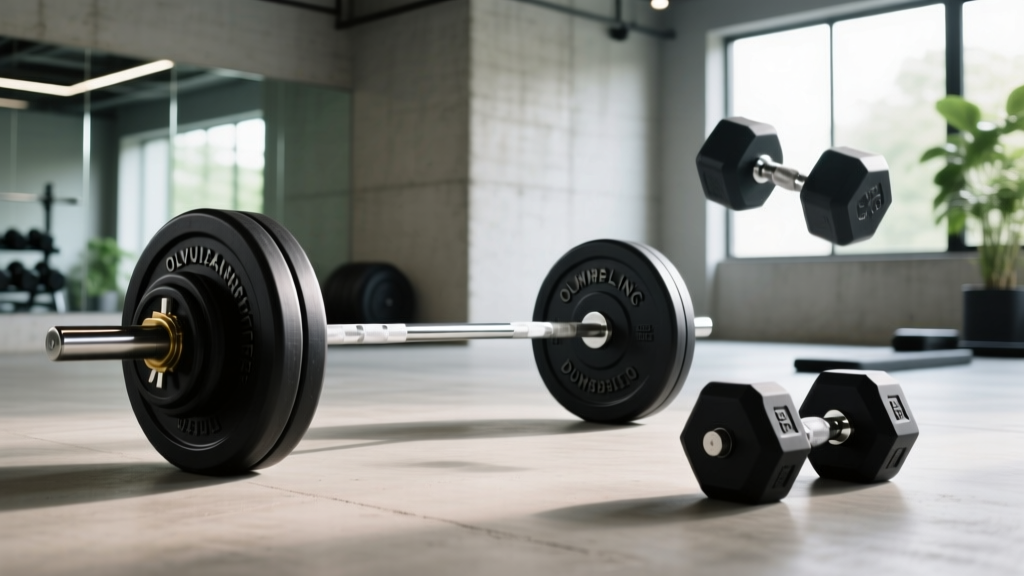
Olympic Barbell Buying Guide: Knurling & Dumbbell Leg Extensions
Master your leg day with our 2026 Olympic barbell buying guide covering weight, knurling, and step-by-step dumbbell leg extensions for knee health.

The Foundation: Building a Bulletproof Leg Day Arsenal
When beginners step into the free weights section, the sheer volume of equipment can be paralyzing. You know you need a barbell for heavy compound lifts, and you know you need dumbbells for isolation work, but the technical specifications of these tools are rarely explained clearly. This step-by-step guide bridges the gap between heavy barbell mechanics and targeted isolation work. We will walk you through the exact metallurgy, weight standards, and knurling patterns of Olympic barbells, before transitioning into a crucial accessory movement: dumbbell leg extensions. Whether you are outfitting a home gym in 2026 or trying to understand the equipment at your local fitness center, this guide provides the deep-dive specifications you need to train safely and effectively.
Step 1: Demystifying Olympic Barbell Weights and Dimensions
Not all barbells are created equal. The term 'Olympic' refers specifically to the 2-inch (50mm) diameter of the rotating sleeves that hold the weight plates, but the shaft—the part you actually grip—varies significantly based on the intended user and lift.
Standard Men's and Women's Specifications
A standard men's Olympic barbell weighs exactly 20 kilograms (44.09 pounds) and features a 28mm shaft diameter. This thickness provides the necessary rigidity for heavy squats and deadlifts while allowing enough 'whip' (flex) for Olympic weightlifting. Conversely, a women's Olympic barbell weighs 15 kilograms (33.07 pounds) and utilizes a 25mm shaft. The thinner shaft is crucial for lifters with smaller hands to achieve a secure hook grip during cleans and snatches.
⚠️ Beginner Warning: The 'Cheap Bar' Failure ModeIf you are buying a barbell for under $150, check the tensile strength. Budget bars often use low-grade steel with a tensile strength below 165,000 PSI. Under heavy squat loads, these bars can permanently bend or, in extreme edge cases, snap near the sleeve. Always look for a minimum tensile strength of 190,000 PSI for a safe, durable multipurpose barbell.
Step 2: Decoding the Knurling Matrix
Knurling is the crosshatched pattern machined into the steel shaft to provide grip. According to comprehensive equipment analyses from BarBend's barbell buying guides, the depth and shape of the knurl dictate how the bar feels in your hands, especially when chalk and sweat are introduced. Understanding knurling is the difference between a secure grip and a torn callus.
The Three Primary Knurl Profiles
- Hill Knurl: The peaks of the knurl are rounded off. This feels smooth and is forgiving on the hands, making it ideal for high-rep conditioning or beginners with sensitive skin. However, it can become slippery during heavy deadlifts.
- Mountain Knurl: The peaks are sharp and aggressive, resembling jagged mountain peaks. This provides an unyielding grip for heavy powerlifting but will tear up your hands during high-volume dynamic movements.
- Volcano Knurl: Originally popularized by Rogue Fitness, this pattern features a sharp rim with a dipped center, resembling a volcano crater. It offers the aggressive grip of a mountain knurl but with more surface area, reducing skin tearing while maximizing friction.
| Knurl Type | Best Use Case | Aggression Level | Center Knurl? |
|---|---|---|---|
| Hill | High-rep WODs, Beginners | Mild / Passive | Rarely |
| Volcano | Multipurpose, Squats, Deadlifts | Moderate to Aggressive | Sometimes |
| Mountain | 1-Rep Max Powerlifting | Highly Aggressive | Usually (for squats) |
Step 3: Bushings vs. Bearings (The Spin Factor)
The mechanism inside the sleeve determines how smoothly the bar rotates. Bushings (usually bronze or composite) provide a slow, controlled spin. This is exactly what you want for squats and bench presses, where a fast-spinning bar can destabilize your grip. Needle bearings allow for a lightning-fast, frictionless spin, which is mandatory for Olympic weightlifting (cleans and snatches) to prevent the bar from tearing the skin off your palms as it rotates in the air. For a beginner building a general strength base, a high-quality bronze bushing bar is the most cost-effective and appropriate choice.
Step 4: The Accessory Protocol: Dumbbell Leg Extensions
Heavy barbell squats and deadlifts build massive systemic strength, but they often leave the rectus femoris (the central quad muscle) under-stimulated while placing heavy compressive loads on the spine and knee joints. This is where targeted isolation movements like the leg extension become vital. While machines are great, not every home gym has space for a $2,000 dedicated leg extension machine. Enter the dumbbell leg extension.
Step-by-Step Execution Guide
- The Setup: Sit on the edge of a flat utility bench. Your knees should be at the very edge, allowing your lower legs to hang freely. Lean back slightly, gripping the sides of the bench for stability.
- The Loading: Take a rubber hex dumbbell (start light, around 10 to 15 lbs for beginners). Stand it vertically on its end between your feet. Squeeze your feet together tightly to clamp the top head of the dumbbell between your arches.
- The Concentric Phase: Exhale and extend your knees, lifting the dumbbell until your legs are completely straight. Hold the peak contraction for a full two seconds, focusing on squeezing the quad.
- The Eccentric Phase: Inhale and slowly lower the weight back down over a 3-second count. Do not let the dumbbell rest on the floor; keep the tension on the quads by stopping just short of the bottom.
The most common failure mode of the dumbbell leg extension is the weight slipping off sweaty shoes. To fix this, wear shoes with a textured, flat toe box (like Converse or dedicated lifting shoes), or use a specialized neoprene ankle strap with a carabiner to securely loop the dumbbell handle to your foot.
Programming for Knee Health
Perform dumbbell leg extensions for 3 sets of 15-20 repetitions at the end of your leg day. This high-rep range drives nutrient-rich blood into the patellar tendon and knee joint capsule without the heavy axial loading of a barbell squat, actively aiding in recovery and bulletproofing your knees for your next heavy barbell session.
Step 5: 2026 Market Pricing and Model Recommendations
The fitness equipment market has stabilized in 2026, but premium steel costs still dictate pricing. Here is a breakdown of what you should expect to pay for a reliable Olympic barbell, categorized by user level.
- The Budget-Conscious Beginner ($180 - $230): Look for 190k PSI tensile strength, bronze bushings, and a moderate volcano knurl. Models like the Titan Fitness Performance Bar offer exceptional value here, usually hovering around $229.
- The Serious Home Gym Owner ($295 - $350): This is the sweet spot for lifetime warranties and premium finishes like Cerakote or hard chrome. The Rogue Ohio Bar remains the gold standard in this tier, priced at approximately $325, offering a perfect hybrid knurl for both squats and presses.
- The Elite Competitor ($800 - $1,200+): If you are stepping onto a powerlifting or weightlifting platform, you need IWF or IPF certified bars with needle bearings and precise center knurl markings. Eleiko and Uesaka dominate this space, with competition bars easily exceeding $1,000.
Final Thoughts on Equipment Synergy
Building a complete, injury-resistant physique requires understanding the tools at your disposal. Investing in a high-quality Olympic barbell with the correct knurling pattern ensures your heavy compound lifts are safe and effective. Supplementing those heavy lifts with targeted, high-rep dumbbell leg extensions ensures your joints stay healthy and your quads reach their full developmental potential. Start with the right steel, master the accessory movements, and your leg day will never be the same.
More gear to consider
All reviews
2026 Adjustable Dumbbell Review: Setup for Flat Dumbbell Flyes

Bumper vs Iron Plates & Best Upper Body Dumbbell Exercises
Neoprene Dumbbell Home Setup & Mastering Dumbbell Chest Press Form

Olympic vs Standard Plates & Best Shoulder Workout with Dumbbells

Barbell Collar Types Compared: From Seated Chest Press with Dumbbells to Heavy Squats
