Olympic Barbell Guide: Weight, Knurling & Dumbbell Chest
Master your press with our 2026 Olympic barbell buying guide. Compare weight, knurling profiles, and barbell vs. dumbbell chest mechanics for optimal gains.

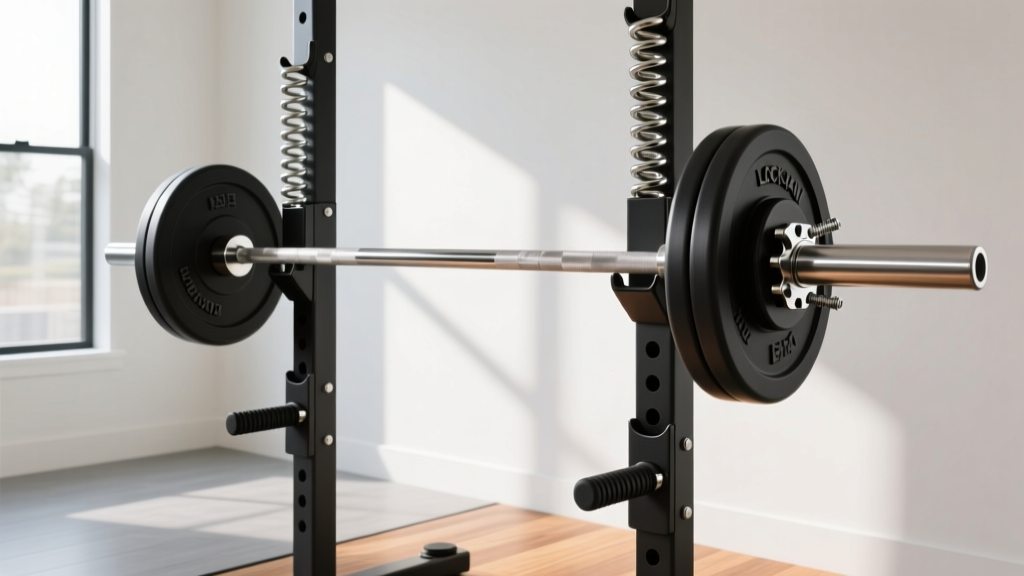
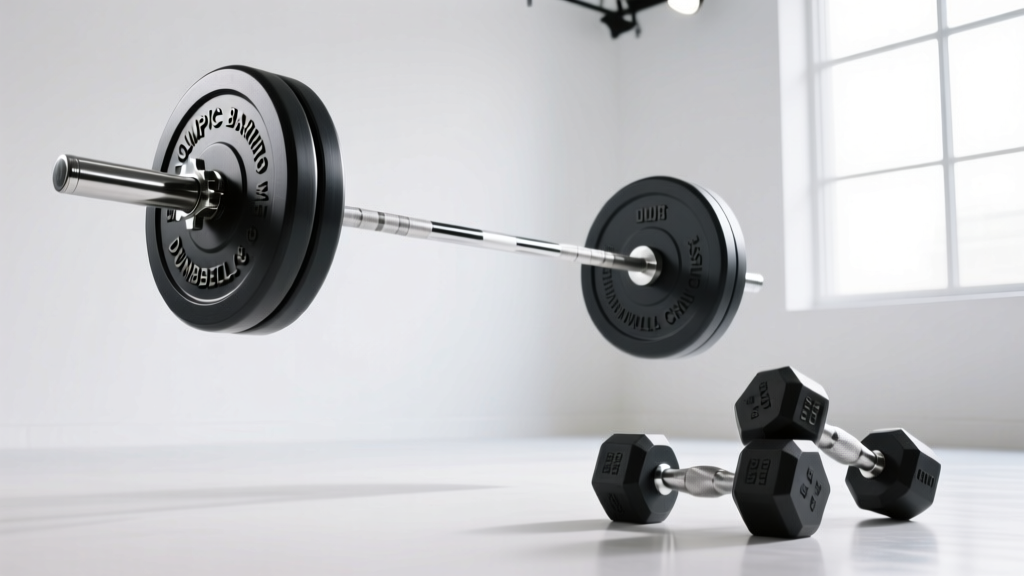
Building a world-class home gym in 2026 requires more than just throwing iron on a rack; it demands a precise understanding of your equipment's engineering. When athletes program heavy pressing movements, the debate often centers on the biomechanical differences between a barbell bench and a dumbbell chest press. While the dumbbell chest variation offers superior range of motion and unilateral stabilization, the barbell remains the undisputed king of absolute overload. To maximize your barbell pressing potential, you must select an Olympic barbell with the correct weight, tensile strength, and knurling profile. This in-depth buying guide dissects the metallurgy and mechanics of elite barbells to help you make an informed investment.
The Biomechanics of the Press: Barbell vs. Dumbbell Chest
Before diving into knurling depths and shaft diameters, it is crucial to understand why your barbell choice matters in the context of your overall chest development. According to research published in the Journal of Strength and Conditioning Research, the barbell bench press allows for significantly higher absolute load lifting compared to the dumbbell chest press due to reduced stabilization requirements.
However, transitioning between these modalities requires specific grip considerations. When you finish a grueling set of heavy barbell bench presses and immediately move to a high-rep dumbbell chest fly or press, your central nervous system and grip endurance are already taxed. A barbell with overly aggressive knurling can tear your calluses, compromising your grip on subsequent dumbbell movements. Conversely, a barbell with passive knurling will slip during the heavy concentric phase of the bench press. Finding the 'Goldilocks' zone of grip traction is the primary focus of modern barbell engineering.
Decoding Olympic Barbell Weight and Tensile Strength
The standard men's Olympic barbell weighs exactly 20kg (44.09 lbs) and features a 28mm to 29mm shaft diameter. Women's Olympic bars weigh 15kg (33.07 lbs) with a 25mm shaft. For heavy chest pressing, powerlifting, and general strength, the 20kg bar is the universal standard.
Tensile Strength vs. Yield Strength
When browsing 2026 barbell catalogs, you will see 'Tensile Strength' measured in PSI (Pounds per Square Inch). This metric indicates the point at which the steel will physically snap. However, Yield Strength—the point at which the bar permanently bends and fails to return to its original straightness—is far more critical for longevity.
- 165,000 - 180,000 PSI: Entry-level. Prone to permanent bending if dropped with heavy loads.
- 190,000 - 195,000 PSI: The sweet spot for multi-purpose and powerlifting bars (e.g., Rogue Ohio Power Bar).
- 210,000+ PSI: Elite competition grade (e.g., Eleiko). Virtually unbendable under human-generated force.
Knurling Profiles: Finding the Right Grip for Heavy Benching
Knurling is the cross-hatched pattern machined into the steel shaft. The geometry of these microscopic peaks and valleys dictates how the bar interacts with your skin. According to the International Powerlifting Federation (IPF) Technical Rules, the bar must have machine knurling to ensure a secure grip, but the exact profile varies wildly between manufacturers.
1. Volcano Knurling (The Bencher's Choice)
Volcano knurling features a rimmed peak with a small crater in the center. This design provides hundreds of microscopic edges that dig into the hand without creating a single sharp point that tears the skin. It is the gold standard for heavy bench pressing, offering immense traction when chalk is applied, yet remaining forgiving enough for high-volume accessory work.
2. Mountain Knurling (Aggressive)
Mountain knurling features sharp, unmolested peaks. It feels like gripping a cheese grater. While excellent for heavy deadlifts where the bar is pulling out of the hands, it is generally too abrasive for high-frequency bench pressing and will destroy your palms if you frequently superset with dumbbell chest exercises.
3. Hill Knurling (Passive)
Hill knurling has rounded, flattened peaks. It is incredibly comfortable and ideal for high-rep Olympic lifting or casual fitness, but it will fail to provide adequate traction during a 1-rep max bench press attempt, especially if the lifter sweats heavily.
2026 Comparison Matrix: Top Olympic Barbells for Pressing
| Barbell Model | Shaft / Weight | Knurl Profile | Tensile Strength | Est. 2026 Price |
|---|---|---|---|---|
| Rogue Ohio Power Bar | 29mm / 20kg | Volcano (Aggressive) | 190,000 PSI | $325 - $350 |
| Eleiko Performance PL | 29mm / 20kg | Volcano (Refined) | 215,000 PSI | $895 - $950 |
| Rep Fitness Athena | 28.5mm / 20kg | Volcano (Moderate) | 190,000 PSI | $299 - $315 |
| American Barbell Cali | 28.5mm / 20kg | Mountain (Mild) | 190,000 PSI | $265 - $285 |
The Center Knurl Debate: Traction or Irritation?
Powerlifting bars feature a center knurl designed to bite into the lifter's back during heavy squats. When it comes to the bench press, the center knurl is a polarizing topic. Some lifters appreciate the slight tactile feedback it provides against their shirt to ensure perfect horizontal alignment on the bench pad. Others find that it scrapes the chin or neck during the setup and unracking phase.
"If your training split heavily prioritizes the barbell bench press followed immediately by heavy dumbbell chest work, consider a bar with a passive center knurl or a dual-ring marking system. This prevents unnecessary skin irritation on your neck and collarbone, preserving your comfort for the remainder of your upper-body session."
Bushings vs. Bearings: Rotational Forces in the Press
The sleeve construction of an Olympic barbell dictates how smoothly the weight plates rotate. Bronze Bushings provide a slower, more controlled spin. This is highly desirable for the bench press and squat, where excessive rotational force can cause wrist torque and destabilize the bar path. Needle Bearings, conversely, allow for lightning-fast sleeve rotation. While mandatory for Olympic weightlifting (snatches and cleans), bearings are generally unnecessary and sometimes detrimental for pure pressing movements, as they can make the bar feel 'twitchy' in the hands during a slow, controlled eccentric descent to the chest.
Frequently Asked Questions
Can I use a 15kg women's Olympic bar for heavy bench pressing?
While a 15kg bar (25mm shaft) is excellent for lifters with smaller hands or those focusing on high-rep hypertrophy, it lacks the tensile rigidity of a 20kg bar. If you are bench pressing over 225 lbs, the 25mm shaft will exhibit excessive whip and flex, altering your bar path and reducing power transfer.
How does barbell grip width compare to dumbbell chest positioning?
With a barbell, your hands are locked into a fixed position on the knurl rings (typically 810mm apart for powerlifting). The dumbbell chest press allows you to dynamically alter your grip width and wrist supination/pronation throughout the range of motion. A high-quality barbell with precise IPF-marked knurl rings is essential for ensuring symmetrical setup every time you unrack.
Does the finish of the barbell affect knurling feel?
Absolutely. A bare steel shaft offers the most aggressive knurl feel but requires constant maintenance to prevent rust in 2026's varied home gym environments. Cerakote and hard chrome finishes fill in the microscopic valleys of the knurling slightly, resulting in a smoother, more refined grip that is often preferred by high-volume benchers.
More gear to consider
All reviews
Space-Saving Loadable Dumbbells for One Arm Dumbbell Chest Press

Dumbbell vs Bench Press: Space Optimization Using Loadable Dumbbells
Rubber Hex vs Urethane Dumbbells for the Dumbbell Renegade Row
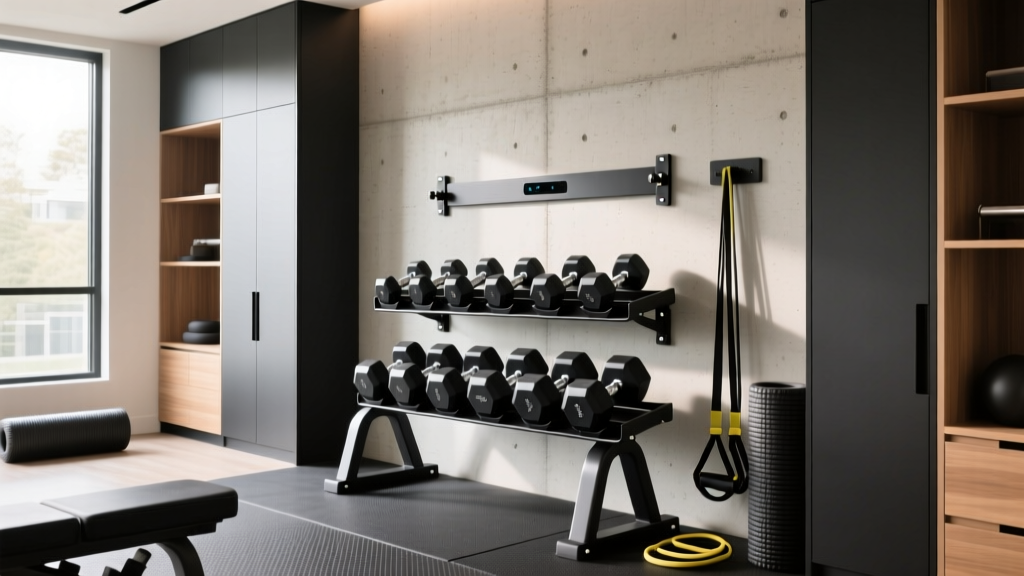
Beyond the Shake Weight Dumbbell: Smart Storage Layouts

Neoprene Dumbbell Mistakes: 35 lbs Dumbbells Walmart Guide