
Olympic Barbell Buying Guide: Weight, Knurling & Alternating Dumbbell Chest Press Upgrades
Master your home gym with our Olympic barbell buying guide. Explore bar weight, knurling types, and transitioning from the alternating dumbbell chest press.

Beginner's Transition Note
If you have spent the last few months building your pressing foundation with the alternating dumbbell chest press, congratulations. You have developed crucial unilateral stabilizers, anti-rotation core strength, and a deep pectoral stretch. However, dumbbells eventually limit your absolute load potential. Upgrading to an Olympic barbell is the natural next step for progressive overload. This guide breaks down exactly how to choose your first barbell based on weight specifications and knurling patterns, ensuring your transition from dumbbells to the barbell bench press is safe, effective, and comfortable.
Step 1: Decoding Olympic Barbell Weights and Dimensions
When shopping for an Olympic barbell, the term 'Olympic' simply refers to the rotating sleeves that accommodate plates with a 2-inch (50mm) diameter hole. However, the total weight and shaft diameter vary significantly based on the bar's intended use.
Standard 20kg (44 lbs) Men's Bars
The standard multi-purpose or power bar weighs exactly 20kg (44 lbs) and features a 28mm to 29mm shaft diameter. For 90% of beginners transitioning from dumbbell pressing, a 20kg multi-purpose bar is the correct investment. The 29mm shaft provides a solid, secure grip for bench pressing, whereas thinner bars can feel unstable under heavy loads.
15kg (33 lbs) Women's and Technique Bars
A 15kg bar is shorter (usually 2010mm compared to the standard 2200mm) and features a thinner 25mm shaft. This is ideal for lifters with smaller hands or those who need to start with lighter total loads. If your current alternating dumbbell chest press utilizes 15 lb or 20 lb dumbbells, a 15kg technique bar allows you to practice barbell bench mechanics without the immediate 44 lb jump of a standard bar.
Critical Metric: Tensile Strength
Always check the tensile strength, measured in PSI (pounds per square inch). A rating below 165,000 PSI means the bar is prone to permanent bending. Look for a minimum of 190,000 PSI for a durable barbell that will survive heavy benching and accidental drops.
Step 2: The Science of Knurling (Hill, Mountain, Volcano)
Knurling is the cross-hatched machining cut into the steel shaft to provide grip. According to BarBend's Guide to Barbell Knurling Types, the shape of the knurl peaks drastically alters how the bar feels in your hands, especially when chalk and sweat are introduced.
- Hill Knurling: The peaks are rounded off and shallow. It feels smooth and passive. While comfortable for high-rep Olympic lifts, it can slip during heavy bench pressing if your hands sweat.
- Mountain Knurling: Sharp, aggressive, unflattened peaks. It bites deeply into the skin. Excellent for heavy 1-rep max deadlifts, but it will tear your calluses during high-volume bench press sessions.
- Volcano Knurling: The gold standard for pressing. The machine cuts a sharp diamond pattern, but the very tip of the peak is slightly flattened or 'cratered.' This provides immense surface area for grip without acting like a cheese grater on your palms.
| Knurl Type | Aggression Level | Best For | Beginner Pressing Rating |
|---|---|---|---|
| Hill | Low (Passive) | High-rep cleans, beginners with sensitive hands | 6/10 (May slip) |
| Volcano | Medium-High (Tactile) | Bench press, overhead press, general fitness | 10/10 (Optimal grip) |
| Mountain | High (Aggressive) | Heavy deadlifts, powerlifting meets | 4/10 (Tears skin) |
Step 3: Transitioning from the Alternating Dumbbell Chest Press
Why does knurling matter so much when upgrading from dumbbells? When you perform the alternating dumbbell chest press, your grip is naturally constrained by the dumbbell handle. You do not need to think about hand placement; you simply grab the center of the handle. Furthermore, the unilateral nature of the alternating press forces your core to resist rotational forces, building deep stabilizer muscles in the shoulder girdle.
When you lie back on a bench with an Olympic barbell, you lose that fixed handle constraint. You must now place your hands symmetrically to ensure an even press. This is where the knurl rings come into play. Powerlifting bars have rings spaced 810mm apart, while Olympic weightlifting bars have rings spaced 910mm apart. Multi-purpose bars feature both sets of rings.
Expert Biomechanics Tip: According to research published by Stronger By Science on Bench Press Grip Width, placing your index finger exactly on the outer powerlifting ring (or slightly inside it) optimizes pectoral activation while minimizing shoulder impingement. The tactile feedback of a volcano knurl ring allows you to replicate this exact grip width on every single set—something you must visually guess when setting up for dumbbell presses.
Center Knurl: To Have or Not to Have?
Many power bars feature a 'center knurl'—a strip of knurling in the exact middle of the bar. Originally designed to grip the back of the shirt during heavy back squats, it can scrape the chest and neck during bench pressing or front squats. For a beginner focused on pressing and general fitness, a bar without a center knurl is vastly more comfortable.
Step 4: Top 2026 Barbell Recommendations for Pressing
The fitness equipment market in 2026 has seen a massive drop in the price of premium stainless steel bars, making them more accessible for home gym owners. Here are three specific models that excel in knurling quality and pressing mechanics.
1. Rep Fitness Colorado Bar (Best Overall Value)
- Price: $229.00
- Weight: 20kg (44 lbs)
- Knurl: Dual volcano knurl (excellent for pressing, mild for pulling).
- Specs: 190,000 PSI tensile strength, composite bushings for smooth sleeve spin, no center knurl.
- Why it works: The dual knurl pattern offers a slightly less aggressive volcano cut on the outer rings, making it perfect for high-volume bench pressing without destroying your hands.
2. Rogue Fitness Ohio Bar - Stainless Steel (Premium Pick)
- Price: $345.00
- Weight: 20kg (44 lbs)
- Knurl: Rogue's signature deep volcano knurl.
- Specs: 190,000 PSI, stainless steel shaft (bare steel feel with zero rust maintenance), bronze bushings.
- Why it works: Stainless steel does not fill in the knurl with zinc or cerakote coating, meaning the volcano peaks remain razor-sharp for maximum grip security during heavy sets.
3. Bells of Steel Bare Steel Power Bar (Budget Pressing)
- Price: $189.00
- Weight: 20kg (44 lbs)
- Knurl: Aggressive mountain knurl with center knurl.
- Specs: 205,000 PSI tensile strength, dual snap-ring sleeves.
- Why it works: If you are on a strict budget and prioritize raw tensile strength over comfort, this bar won't bend. However, you will need to use chalk and manage your calluses due to the mountain knurl.
Step 5: Sleeve Spin and Finish Maintenance
While the alternating dumbbell chest press requires you to manually stabilize the rotation of the weight, an Olympic barbell features rotating sleeves. For bench pressing and general fitness, you want sleeves that spin smoothly but not too freely. Bars utilizing bronze or composite bushings provide the perfect moderate spin for pressing. Avoid bars with needle bearings (designed for Olympic weightlifting like the snatch), as the hyper-spin can make the bar feel unstable when unracking heavy bench press loads.
Regarding finishes, bare steel offers the best grip but requires weekly oiling to prevent rust. Zinc is standard but wears off over time. In 2026, Cerakote (a ceramic polymer coating) has become the industry standard for colored bars, offering immense rust resistance, though it slightly softens the knurl bite. If budget permits, stainless steel remains the undisputed king of pressing bars.
Frequently Asked Questions
Can I use a 15kg women's bar for heavy bench pressing as a male lifter?
Yes, but with caveats. A 15kg bar typically has a 25mm shaft diameter. As you progress past 135 lbs on the bench press, the thinner shaft can feel uncomfortable and may flex excessively, reducing power transfer. It is highly recommended to transition to a 20kg bar with a 28mm or 29mm shaft once your working sets exceed 135 lbs.
How does barbell benching compare to the alternating dumbbell chest press for muscle growth?
According to ExRx Barbell Bench Press Biomechanics, the barbell allows for greater absolute load and bilateral stability, making it superior for raw strength and mechanical tension. The alternating dumbbell press, however, allows for a greater range of motion and independent limb development, making it an excellent accessory movement to pair with your new barbell.
Do I need to buy barbell collars immediately?
Absolutely. When transitioning from dumbbells, beginners often underestimate how easily plates can shift on a 50mm Olympic sleeve during an uneven press. Invest in a pair of lock-jaw collars (typically $25-$40) to secure your plates and ensure the bar remains balanced throughout the lift.
More gear to consider
All reviews
Olympic Barbell Guide: Knurling & the Decline Dumbbell Pullover

EZ Curl vs Straight Bar Care & Gear for Good Chest Dumbbell Workouts

Rack Maintenance for the Dumbbell Seated Overhead Tricep Extension
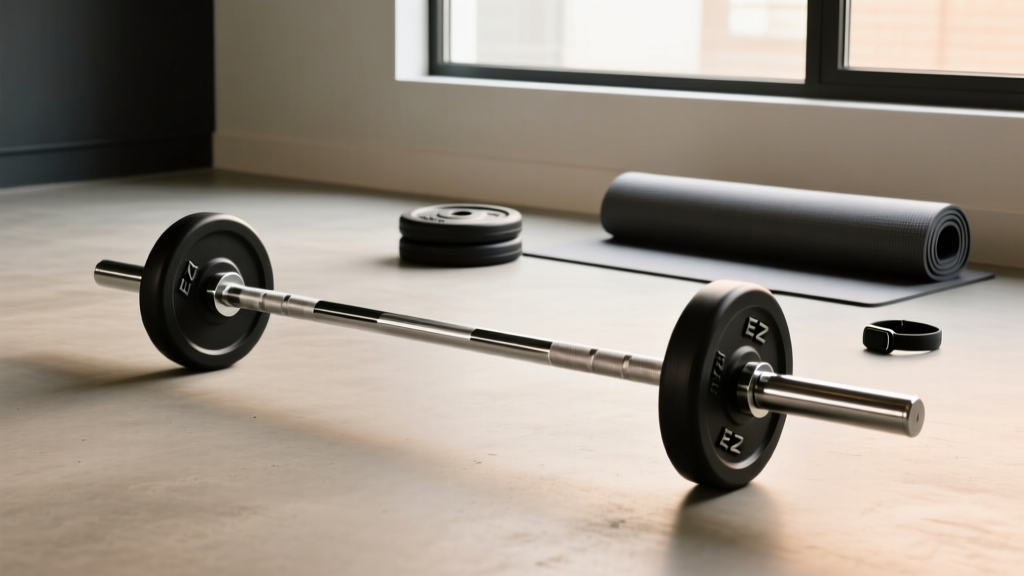
EZ Curl Bar vs Straight Bar: Budget Breakdown & Why You Can Ignore Every Dumbbell Skull Crusher GIF
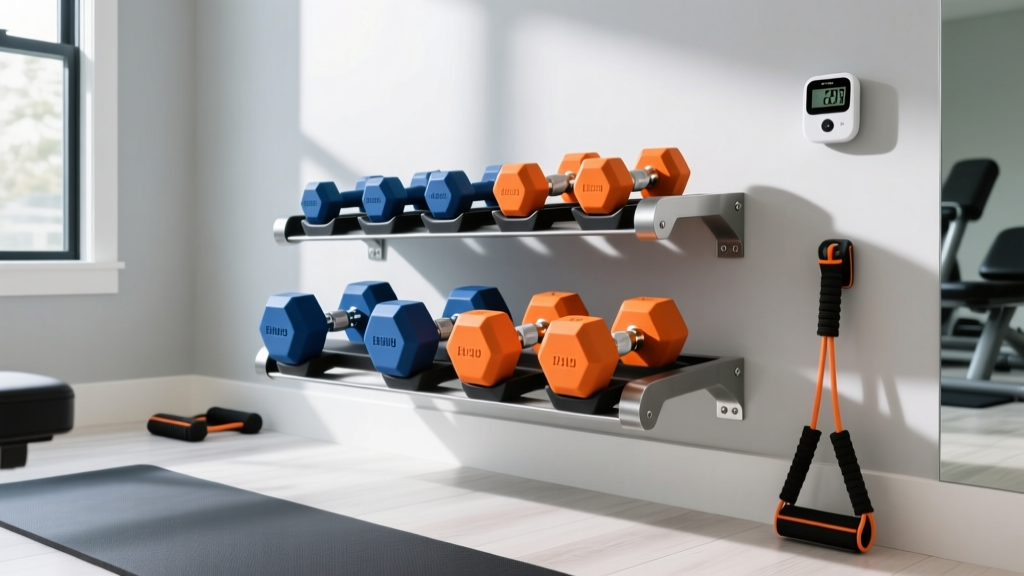
Smart Storage for Your 20 Minute Dumbbell Strength Workout
