
Barbell vs Dumbbell: Beginner Guide to Olympic Bar Weight & Knurl
Settle the barbell vs dumbbell debate and master Olympic barbell weights and knurling with our beginner-friendly step-by-step buying guide.

Step 1: Settle the Barbell vs Dumbbell Debate
When building a home gym or stepping into a commercial weight room for the first time, beginners are immediately confronted with a classic dilemma: barbell vs dumbbell. Which should you prioritize? While dumbbells are exceptional for unilateral work, joint-friendly isolation, and correcting muscle imbalances, the barbell remains the undisputed king of progressive overload and absolute strength development.
Dumbbells force each side of your body to work independently, which is great for rehabilitation and hypertrophy. However, when it comes to heavy compound movements like the back squat, deadlift, and overhead press, a barbell allows you to move significantly more total load because you do not have to expend energy stabilizing two separate, unwieldy objects. Once you decide that a barbell is a necessary investment for your strength journey, you are suddenly thrust into the highly technical world of Olympic barbell specifications. This step-by-step guide will demystify Olympic barbell weights, shaft dimensions, and the critical science of knurling so you can buy the right tool for your training.
Step 2: Decode Olympic Barbell Weights and Dimensions
Not all barbells are created equal. The term "Olympic" refers to the 2-inch (50mm) diameter rotating sleeves that accept standard Olympic bumper and iron plates. However, the shaft weight and diameter vary significantly based on the intended user and sport. According to the International Weightlifting Federation (IWF) technical guidelines, competition bars must meet strict dimensional tolerances.
| Bar Type | Total Weight | Shaft Diameter | Total Length | Best For |
|---|---|---|---|---|
| Men's Olympic | 20 kg (44 lbs) | 28 mm | 2.2 meters (7.2 ft) | General strength, Powerlifting, Weightlifting |
| Women's Olympic | 15 kg (33 lbs) | 25 mm | 2.01 meters (6.6 ft) | Smaller hands, Olympic lifting technique |
| Technique Bar | 10 kg - 15 kg | 25 mm - 28 mm | 1.5 - 2.0 meters | Absolute beginners, youth lifters, form drills |
Step 3: Master the Science of Knurling Profiles
The knurl is the cross-hatched pattern machined into the steel shaft of the barbell. It is the only point of contact between you and the weight, making it the most crucial feature of your purchase. As detailed in comprehensive equipment analyses by Garage Gym Reviews, knurling is categorized by its "profile" or shape.
1. The Volcano Knurl (The Multi-Purpose Gold Standard)
Imagine a mountain with the peak sliced off, leaving a crater. The volcano knurl features sharp ridges that provide immense grip, but the flattened peaks prevent the steel from digging into your skin and tearing your calluses during high-rep workouts. This is the ideal profile for 90% of beginners and intermediate lifters who mix heavy deadlifts with high-rep conditioning.
2. The Mountain / Hill Knurl (The Smooth Operator)
These knurls have rounded, smooth peaks. They feel almost like a fine sandpaper. While they are incredibly comfortable for high-repetition front squats and cleans, they can feel "slippery" when you are pulling heavy deadlifts or benching with a wide grip without chalk.
3. The Aggressive / Needle Knurl (The Powerlifter's Choice)
Deep, sharp, and unforgiving. Aggressive knurls (often found on dedicated power bars) act like cheese graters. They lock the bar into your skin for maximal force transfer during 1-rep max attempts, but they will tear your hands to shreds during a high-volume CrossFit WOD or a 10-rep set of Romanian Deadlifts.
Warning: The Center Knurl DilemmaOlympic weightlifting bars and IPF-certified power bars feature a "center knurl" to grip the upper back during back squats or the chest during bench presses. However, if you plan on doing front squats, barbell cleans, or Zercher squats, a center knurl will severely scrape your neck and collarbone. For a beginner buying their first and only bar, a multi-purpose bar without a center knurl is generally the safest, most versatile choice.
Step 4: Select Your Bar (2026 Market Pricing & Models)
When navigating the BarBend barbell selection guide, you will notice that tensile strength (measured in PSI) dictates the price and durability of the bar. Never buy a bar with a tensile strength below 165,000 PSI; it will permanently bend under heavy loads. Aim for 190,000 PSI or higher.
- Rogue Fitness Ohio Bar (Volcano Knurl): Priced around $295. Featuring a 190k PSI tensile strength shaft, bronze bushings, and a highly refined volcano knurl, this is the benchmark multi-purpose bar. It lacks a center knurl, making it perfect for general fitness and beginners transitioning from dumbbells.
- REP Fitness Colorado Bar (Dual Volcano Knurl): Priced around $249. REP offers a slightly more aggressive volcano knurl than Rogue, alongside composite bushings for a quieter sleeve spin. An exceptional budget-to-mid-tier option that punches well above its weight class.
- Titan Fitness Lifting Bar (Hill Knurl): Priced around $179. A great entry-level option if you are strictly on a budget and prefer a smoother grip for high-rep Olympic lifting variations, though it lacks the premium finish of higher-tier brands.
Step 5: Maintain Your Knurl for Longevity
A common beginner mistake is ignoring barbell maintenance. Dead skin, chalk, and gym humidity will quickly pack into the knurl valleys, turning your expensive volcano knurl into a smooth, slippery hill profile while promoting rust.
- Brush Weekly: Purchase a stiff nylon brush (never use a wire brush on bare steel or black oxide bars, as it will strip the protective coating). Scrub the knurl in circular motions to dislodge chalk and skin.
- Wipe Down: Use a microfiber cloth lightly dampened with water or a specialized gym equipment cleaner to wipe away sweat and salts immediately after your workout.
- Oil Monthly: Apply a few drops of 3-in-One oil or mineral oil to the shaft and brush it into the knurl. Wipe off the excess. This displaces moisture and prevents oxidation, ensuring your grip remains secure for decades.
Final Thoughts: Making the Transition
Ultimately, the barbell vs dumbbell debate is not about choosing one over the other; it is about utilizing the right tool for the specific adaptation you seek. Dumbbells will always have a place in your accessory work, but investing in a high-quality 20kg Olympic barbell with a versatile volcano knurl will lay the foundation for your lifelong strength progression. By understanding shaft diameters, knurl profiles, and tensile strength, you can bypass the marketing fluff and purchase a piece of equipment that will safely and comfortably support your fitness journey for years to come.
More gear to consider
All reviews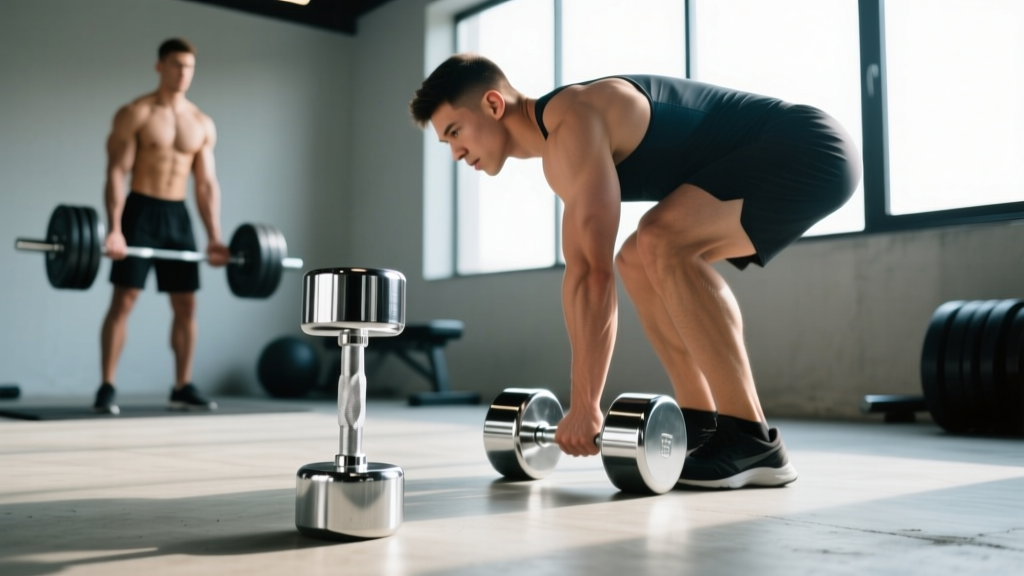
Dumbbell Deadlift vs Romanian Deadlift: Olympic vs Standard

Best Collars for Olympic Dumbbell Weight & Barbells in 2026

How to Train Back With Dumbbells: Hex vs Urethane Space Guide
Best Neoprene Dumbbells for a 5x5 Dumbbell Workout at Home
How to Build Chest Using Dumbbells: Adjustable Gear & Mistakes
