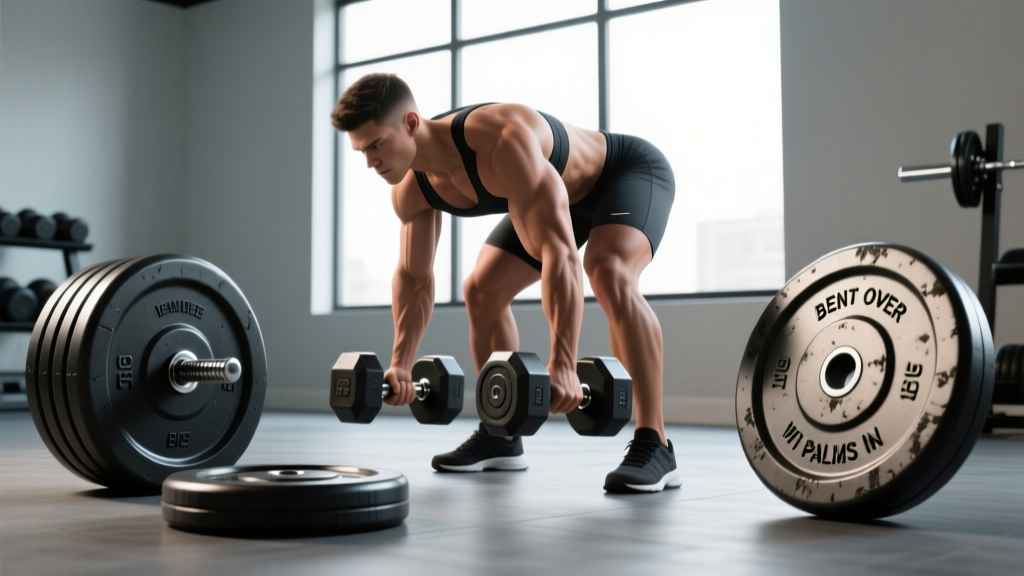
Beginner Dumbbell Workout Plan Using Neoprene Weights
Start your fitness journey with our beginner dumbbell workout plan. Learn how to use neoprene-coated weights safely at home for effective full-body results.

The Ultimate Beginner Dumbbell Workout Plan for Neoprene Weights
Starting a home gym journey can feel overwhelming, especially when navigating the sea of fitness equipment available today. If you have opted for neoprene-coated dumbbells, you have made a smart, budget-friendly choice that protects your floors and provides a comfortable grip. However, owning the right gear is only half the battle; knowing exactly how to use it is where the real transformation happens. This comprehensive, step-by-step beginner dumbbell workout plan is designed specifically for those using neoprene weights at home, ensuring you build a foundation of strength, mobility, and confidence.
According to the Centers for Disease Control and Prevention (CDC), adults should aim for muscle-strengthening activities of moderate or greater intensity that involve all major muscle groups on two or more days a week. This guide will help you hit those targets safely and effectively.
Why Neoprene Dumbbells Are Perfect for Home Beginners
Neoprene (polychloroprene) is a synthetic rubber that encases a solid cast-iron core. Unlike bare iron, which can rust and chip your hardwood or tile floors, or urethane, which is highly durable but significantly more expensive, neoprene sits in the 'Goldilocks' zone for home beginners.
💡 The Color-Coding Advantage
Most neoprene dumbbells follow an industry-standard color-coding system (e.g., 10 lbs is usually vinyl/neoprene purple or blue, 15 lbs is yellow, 20 lbs is green). For beginners transitioning between exercises in a circuit, this visual cue drastically reduces setup time and prevents the accidental grabbing of mismatched weights.
2026 Market Pricing: What You Should Pay
When shopping for your starter set in 2026, expect to pay between $1.40 and $2.00 per pound for high-quality neoprene dumbbells. Brands like Yes4All and CAP Barbell dominate this space. Be wary of prices dropping below $1.20/lb, as ultra-cheap imports often use low-density fillers inside the core, making the dumbbell physically larger and harder to hold in a tight grip.
Step-by-Step Weight Selection Matrix
Before diving into the workout, you need to select the right starting weights. Beginners often make the mistake of buying a single pair of 15 lb dumbbells and trying to use them for every exercise. Your lower body is significantly stronger than your upper body, requiring a tiered approach.
| Exercise Category | Recommended Starting Weight (Per Hand) | Suggested Neoprene Color (Standard) |
|---|---|---|
| Lower Body (Squats, RDLs) | 20 lbs - 35 lbs | Green to Red |
| Compound Upper Body (Press, Row) | 10 lbs - 20 lbs | Blue/Purple to Green |
| Isolation (Curls, Lateral Raises) | 5 lbs - 10 lbs | Pink to Blue/Purple |
Your 4-Week Beginner Dumbbell Workout Plan
This full-body routine should be performed three times per week (e.g., Monday, Wednesday, Friday), allowing for crucial central nervous system recovery. The Mayo Clinic emphasizes that resting muscle groups for at least 48 hours between sessions is vital for tissue repair and strength adaptation.
The Routine: Full Body Foundation
Perform these exercises in the order listed. Rest exactly 90 seconds between every set. Use a 2-1-2 tempo: 2 seconds lowering the weight, 1 second pause at the bottom, and 2 seconds lifting.
- Goblet Squat (Lower Body Push)
- Sets/Reps: 3 sets of 8-10 reps
- Execution: Hold one heavy neoprene dumbbell vertically against your chest. Keep your elbows tucked. Squat down until your thighs are parallel to the floor, driving through your heels to stand.
- Dumbbell Romanian Deadlift (Lower Body Pull)
- Sets/Reps: 3 sets of 8-10 reps
- Execution: Hold a pair of dumbbells in front of your thighs. Hinge at the hips, pushing your glutes backward while keeping a slight bend in your knees. Lower the weights until you feel a deep stretch in your hamstrings, then squeeze your glutes to return to the top.
- Neoprene Dumbbell Floor Press (Upper Body Push)
- Sets/Reps: 3 sets of 8-12 reps
- Execution: Lie on your back on the floor with knees bent. Press the dumbbells up over your chest, then lower them until your triceps gently touch the floor. The floor naturally limits your range of motion, protecting beginner shoulders from overextension.
- Three-Point Dumbbell Row (Upper Body Pull)
- Sets/Reps: 3 sets of 8-10 reps per arm
- Execution: Place one hand on a sturdy chair or bench. Hinge forward with a flat back. Pull the dumbbell toward your hip pocket, squeezing your lat muscle at the top.
- Seated Overhead Press (Shoulders)
- Sets/Reps: 2 sets of 10-12 reps
- Execution: Sit on a chair with back support. Press the dumbbells overhead until your arms are fully extended, then lower them until the neoprene coating lightly taps your shoulders.
Advanced Grip Hacks for Neoprene Coatings
Here is a non-obvious reality of neoprene dumbbells that most generic guides miss: neoprene gets incredibly slippery when exposed to heavy sweat. Unlike bare iron knurling, which bites into the calluses of your hands, smooth synthetic rubber relies entirely on friction. When your hands sweat, that friction plummets.
Pro-Tip: Avoid using traditional dry gym chalk (magnesium carbonate powder) on neoprene dumbbells. The powder tends to cake onto the slightly porous rubber surface, creating a slippery paste when mixed with sweat. Instead, use a liquid chalk (magnesium carbonate suspended in an alcohol base). The alcohol evaporates instantly, leaving a tacky, grippy residue that adheres perfectly to rubber coatings without ruining them.
Progressive Overload: Weeks 3 and 4
For the first two weeks, focus entirely on mastering the 2-1-2 tempo and mind-muscle connection. According to the American Council on Exercise (ACE), neuromuscular adaptation occurs rapidly in beginners, meaning your brain gets better at firing the correct muscle fibers before the muscles actually grow larger.
By Week 3, you must implement Progressive Overload. If you can easily complete the top end of the rep range (e.g., 12 reps on the Floor Press) with perfect form and a 2-second pause, it is time to increase the weight. If you do not have heavier neoprene dumbbells, you must increase the difficulty by slowing the tempo to a 3-2-3 count, increasing the time under tension and triggering new muscle growth without needing heavier gear.
Care and Maintenance for Neoprene Gear
To ensure your home gym equipment lasts for years, proper maintenance is required. Neoprene is resistant to water and oils, but it is vulnerable to UV degradation and harsh chemical cleaners.
- Cleaning: Wipe down the dumbbells after every session with a microfiber cloth lightly dampened with water and a drop of mild dish soap. Never use bleach or ammonia-based cleaners, as these will dry out the synthetic rubber, causing it to crack and flake.
- Storage: Keep your dumbbells out of direct sunlight. UV rays will break down the polychloroprene bonds over time, fading the color-coding and making the surface brittle.
- Temperature: If your home gym is in an unheated garage, be aware that neoprene becomes hard and slippery in freezing temperatures. Bring them inside if you are training in cold conditions.
Final Thoughts on Your Fitness Journey
Consistency will always trump intensity in the early stages of strength training. By utilizing this beginner dumbbell workout plan and understanding the unique physical properties of your neoprene-coated equipment, you are setting yourself up for long-term, injury-free success. Stick to the tempo, respect the rest periods, and watch your foundation grow stronger week by week.
More gear to consider
All reviews
Barbell Collar Setup: Securing Handles for the Dumbbell Chest Raise

Top Loadable Dumbbells for Proper Incline Dumbbell Press Form

Loadable Dumbbells & The Leg Curl With Dumbbell: 2026 Trends
Collar Clamp Types Comparison & Dumbbell Chest Press Exercise Guide

Beyond Holding a Dumbbell: 2026 Loadable Plate Market Trends