Dumbbell Exercises for Abs With Pictures: Neoprene Home Guide
Master core training at home with our visual step-by-step guide to dumbbell exercises for abs, featuring the best neoprene weights for beginners.

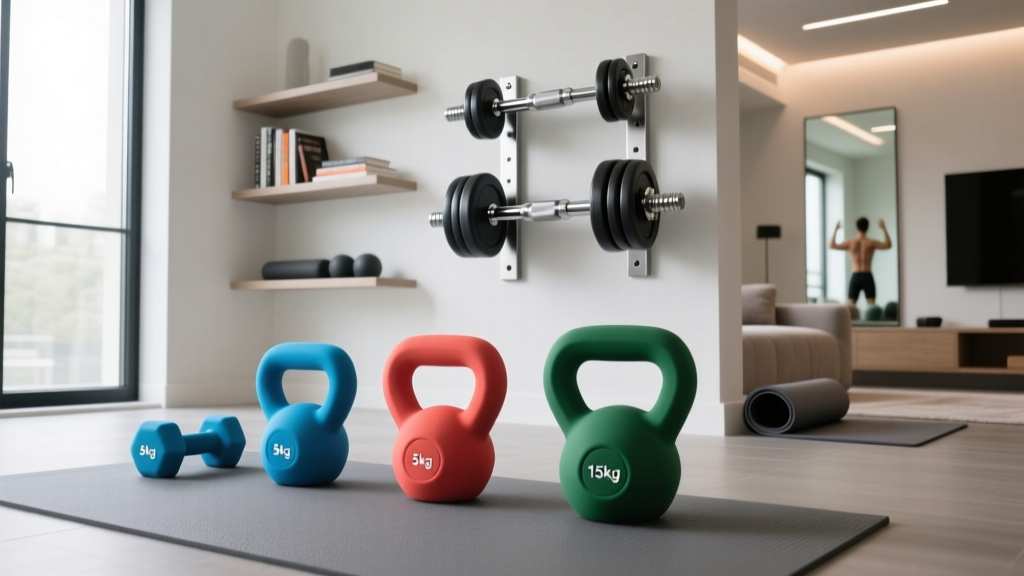
Why Neoprene Dumbbells Are the Ultimate Home Core Tool
When building a home gym for core training, the equipment you choose dictates your consistency and safety. While bare cast iron rusts and urethane is prohibitively expensive for casual users, neoprene-coated dumbbells hit the sweet spot for abdominal workouts. Neoprene (polychloroprene) is a synthetic rubber that provides a matte, slightly tacky surface. This is critical for ab exercises: as your core heats up and your hands sweat during high-rep circuits, neoprene maintains a secure grip far better than smooth vinyl or bare metal.
Furthermore, neoprene dumbbells typically feature a Shore A hardness rating between 65 and 75. This means they are soft enough to protect hardwood floors and laminate from scuffs when you set them down during plank variations or Russian twists, yet dense enough to withstand years of daily use. As of 2026, high-quality neoprene dumbbells from trusted brands like CAP Barbell and SPRI cost between $1.80 and $2.50 per pound, making a pair of 10-pound dumbbells an accessible $36 to $50 investment.
Beginner Weight Selection Matrix for Abdominal Training
A common beginner mistake is selecting weights that are too heavy, which forces the hip flexors to take over the movement rather than the abdominal wall. According to Harvard Health, core stability relies on endurance and controlled tension, not maximal load. Use the table below to select your starting neoprene dumbbell weight.
| Exercise Type | Beginner Women (Per Hand) | Beginner Men (Per Hand) | Target Rep Range |
|---|---|---|---|
| Rotational (Twists) | 5 - 8 lbs | 10 - 15 lbs | 15 - 20 reps |
| Anti-Extension (Dead Bugs) | 3 - 5 lbs | 5 - 10 lbs | 10 - 12 reps/side |
| Lateral (Side Bends) | 8 - 12 lbs | 15 - 20 lbs | 12 - 15 reps/side |
| Plank Pull-Throughs | 8 - 10 lbs | 15 - 25 lbs | 10 - 12 reps/side |
Step-by-Step Dumbbell Exercises for Abs (Visual Guide)
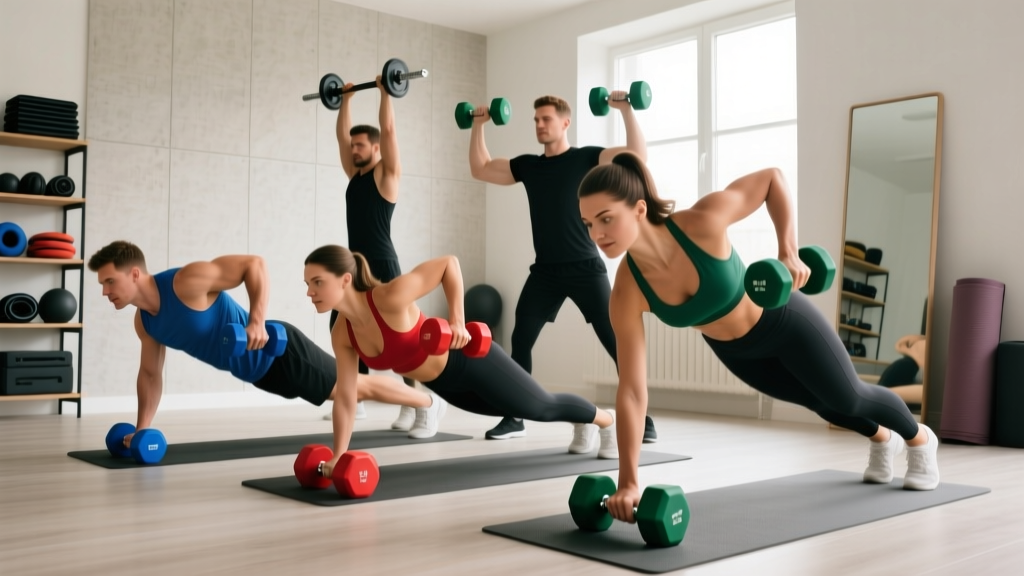
Because proper form is the difference between building a bulletproof core and straining your lower back, we have structured this guide with detailed Visual Cues. Treat these descriptive frames as your mental pictures to ensure perfect alignment.
1. The Neoprene Russian Twist
This movement targets the internal and external obliques. The tacky grip of neoprene prevents the dumbbell from slipping as you rotate.
- Setup: Sit on the floor, knees bent, feet hovering slightly off the ground.
- Execution: Hold one neoprene dumbbell by the bell (the weighted ends) with both hands. Rotate your torso to tap the dumbbell on the floor beside your right hip, then sweep it across your body to the left hip.
For a deeper biomechanical breakdown of rotational core movements, the ExRx Russian Twist directory provides excellent anatomical mapping of the muscles engaged.
2. Weighted Dead Bug
The dead bug is an anti-extension exercise that trains the transverse abdominis to keep your spine stable while your extremities move.
- Setup: Lie flat on your back. Hold a light neoprene dumbbell in each hand, extending your arms straight up toward the ceiling. Raise your legs so your knees and hips are bent at 90-degree angles.
- Execution: Slowly lower your right arm and left leg toward the floor. Stop just before they touch, then return to the start. Alternate sides.
3. Plank Dumbbell Pull-Through
This dynamic plank variation challenges your core's anti-rotational stability.
- Setup: Get into a high plank position (push-up position) with your hands directly under your shoulders. Place a neoprene dumbbell on the floor just outside your right hand.
- Execution: Reach under your body with your left hand, grab the dumbbell, and pull it across to the left side. Place your left hand back down, then reach with your right hand to pull it back.
4. Standing Oblique Side Bends
A staple for lateral core strength, easily performed in a small home gym space.
- Setup: Stand tall, feet shoulder-width apart. Hold a heavier neoprene dumbbell in your right hand, letting it hang by your side. Place your left hand behind your head.
- Execution: Slide the dumbbell down the side of your leg toward your knee by bending at the waist. Squeeze your left oblique to pull your torso back to the starting position.
Common Beginner Failure Modes & Corrections
Even with the best equipment, beginners often encounter specific failure modes during ab training. Recognizing these early will save you from lower back pain.
Hip Flexor Dominance
If you feel a burning sensation in the front of your hips (the rectus femoris and iliopsoas) rather than your stomach during exercises like the Russian Twist or weighted sit-ups, your hip flexors are hijacking the movement. The Fix: Perform a posterior pelvic tilt. Tuck your tailbone slightly under, as if pulling your belt buckle toward your chin. This disengages the hip flexors and forces the rectus abdominis to take the load.
Grip Fatigue Before Core Fatigue
If your forearms give out before your abs during pull-throughs or weighted planks, you are losing the core stimulus. The Fix: This is where neoprene shines, but if you still struggle, use lifting straps for plank variations, or switch to holding the dumbbell by the handle rather than the bell to optimize grip ergonomics.
Neoprene Dumbbell Care & Maintenance
To ensure your neoprene dumbbells last a lifetime, proper maintenance is required. Neoprene is highly resistant to water and sweat, but it is vulnerable to UV degradation and harsh chemicals.
- Cleaning: Wipe down your dumbbells after every use with a microfiber cloth dampened with a mild dish soap and water solution.
- What to Avoid: Never use bleach, ammonia, or alcohol-based sanitizers. These chemicals break down the polychloroprene bonds, causing the coating to become sticky, crack, and eventually peel off the cast iron core.
- Storage: Keep them out of direct sunlight. UV rays will cause the vibrant neoprene colors to fade and the rubber to become brittle over time. A simple indoor wire rack is ideal.
Final Thoughts on Building a Home Core Routine
Building a strong core at home does not require a $3,000 cable machine or a bulky GHD bench. As highlighted by the Mayo Clinic's guide to core exercises, consistency and proper muscle engagement are the true drivers of functional fitness. By investing in a reliable pair of neoprene-coated dumbbells and utilizing the visual step-by-step cues provided above, you can safely and effectively target every muscle in your abdominal wall. Start light, master the mind-muscle connection, and let the neoprene grip keep you secure as you progress.
More gear to consider
All reviews
Front Squat with Dumbbells: Neoprene Home Gym Setup
Power Rack vs Squat Rack Setup: Incline Dumbbell Row Alternative

Beyond the Dumbbells PNG: Troubleshooting Neoprene Dumbbells
Dumbbell Rack Storage: Optimizing the Dumbbell Forward Raise
Dumbbell Squats Exercise: Neoprene Home Gym Setup