
Medicine Ball Weight Selection & Yoga Mat Cleaning Solution Guide
Master medicine ball weight selection for dynamic workouts and learn how a proper yoga mat cleaning solution protects your gear from chalk, sweat, and impact.

Building a functional home gym in 2026 requires more than just buying gear; it requires understanding the biomechanics of your equipment and the chemistry of your floor protection. When beginners start incorporating dynamic movements into their routines, two critical challenges emerge: choosing the correct load for explosive exercises, and maintaining the training surface beneath them. This comprehensive guide breaks down the exact science of medicine ball weight selection and explains why a high-quality yoga mat cleaning solution is the unsung hero of your home gym's longevity.
The Beginner’s Medicine Ball Weight Selection Framework
The most common mistake novices make is selecting a medicine ball based on their traditional weightlifting maxes. According to the American Council on Exercise (ACE), medicine ball training relies on the force-velocity curve. The goal is to move the weight as fast as possible to generate peak power, not to grind out a slow, heavy repetition. If the ball is too heavy, your form breaks down, your velocity plummets, and you risk lower back or shoulder impingement injuries.
For a beginner, the ideal weight allows you to complete 3 to 4 sets of 8 to 12 repetitions while maintaining maximum explosive speed on every single rep. Here is a data-driven matrix to help you select your starting weight based on the specific movement pattern.
| Exercise Type | Beginner Men (lbs) | Beginner Women (lbs) | Primary Muscle Focus | Ball Type Required |
|---|---|---|---|---|
| Overhead Slams | 15 - 20 lbs | 10 - 15 lbs | Lats, Core, Glutes | Dead-Bounce Slam Ball |
| Wall Balls | 14 - 20 lbs | 10 - 14 lbs | Quads, Shoulders, Calves | Bouncy Wall Ball |
| Russian Twists | 10 - 15 lbs | 8 - 10 lbs | Obliques, Rectus Abdominis | Textured Grip Ball |
| Chest Passes | 12 - 15 lbs | 8 - 12 lbs | Pectorals, Triceps | Bouncy Wall Ball |
Material Breakdown: Slam Balls vs. Wall Balls
Not all medicine balls are created equal. The outer shell and internal filler dictate the ball's behavior upon impact, which directly affects both your workout and your gym flooring.
1. Slam Balls (Dead Bounce)
Slam balls are filled with sand or a dense gel and encased in a thick, 3mm to 5mm vulcanized rubber shell. They are designed to absorb kinetic energy upon impact. A premium option like the Rogue Echo Slam Ball (retailing around $65 for the 20lb model in 2026) features a reinforced inner bladder that prevents sand leakage even after thousands of high-velocity floor strikes. Never use a bouncy wall ball for slams—it will rebound unpredictably and cause facial or dental injuries.
2. Wall Balls (High Rebound)
Wall balls feature a softer, bouncier exterior, typically made from synthetic leather or vinyl, and are filled with air or a lightweight cotton/sand mix to maintain a large diameter (14 to 15 inches) without excessive weight. The REP Fitness Leather Wall Ball (~$85) offers a grippy, sweat-resistant surface ideal for the catch-and-throw rhythm of CrossFit-style wall ball shots.
Expert Insight: The diameter of the ball matters just as much as the weight. A larger ball (35cm+) forces your arms into a wider, more biomechanically stable position during wall balls, reducing the strain on your rotator cuffs compared to a smaller, denser ball of the exact same weight.
The Hidden Cost: Med Ball Impact and Mat Degradation
When you repeatedly slam a 20lb rubber-encased sand ball onto the floor, you are generating hundreds of pounds of impact force. While your concrete or plywood subfloor can handle this, your protective matting cannot. Furthermore, the friction from the rubber shell, combined with the sweat, gym chalk, and skin oils transferred during your workout, creates an abrasive paste that eats into the cellular structure of your flooring.
This is where a specialized yoga mat cleaning solution transitions from a luxury to an absolute necessity. Functional fitness mats (usually made of TPE, PVC, or natural rubber) degrade rapidly when exposed to the acidic pH of human sweat and the drying effects of magnesium carbonate (chalk). If left uncleaned, the rubber shell of your slam ball will leave permanent carbon-black scuff marks, and the mat's surface will begin to pit, flake, and lose its shock-absorbing properties.
Crafting the Ultimate Yoga Mat Cleaning Solution
Commercial cleaners often contain harsh sulfates or alcohols that strip the plasticizers out of PVC mats (like the Manduka PRO) or dry out the porous cells of natural rubber mats (like the JadeYoga Harmony). According to SELF Magazine's comprehensive mat care guide, the pH balance of your cleaner is critical to preserving the closed-cell or open-cell structure of your mat.
The DIY Functional Fitness Mat Recipe
For a safe, highly effective yoga mat cleaning solution that cuts through chalk dust and slam ball rubber residue without degrading your mat, mix the following in a 16oz amber glass spray bottle:
- 12 oz Distilled Water: Tap water contains minerals that leave white, chalky streaks on dark mats.
- 4 oz Witch Hazel (Alcohol-Free): Acts as a gentle, natural astringent to break down skin oils and sweat.
- 5 Drops Tea Tree Essential Oil: Provides powerful antibacterial and antifungal properties to kill odor-causing bacteria trapped in the mat's pores.
- 3 Drops Lavender Essential Oil: Neutralizes the sharp smell of gym chalk and rubber.
Step-by-Step Post-Workout Mat Maintenance
To ensure your mat survives the brutal environment of medicine ball training, follow this exact post-workout protocol:
- Dry Sweep (1 Minute): Use a microfiber dust mop to remove loose gym chalk and rubber particulates. Wiping a dry, chalky mat with a wet cloth creates an abrasive mud that scratches the surface.
- Apply the Solution (30 Seconds): Lightly mist your DIY or commercial yoga mat cleaning solution across the impact zone (the center 4x4 foot area where slams occur). Do not soak the mat; a fine mist is sufficient.
- Agitate and Lift (1 Minute): Using a clean, damp microfiber cloth, wipe in circular motions. The circular motion lifts the chalk and rubber dust out of the mat's textured grooves rather than pushing it deeper.
- Air Dry (15 Minutes): Allow the mat to air dry completely out of direct sunlight. UV rays will warp and fade the rubber shell of your medicine balls and degrade the mat's polymers.
Frequently Asked Questions
Can I use a slam ball for wall balls if I'm on a budget?
No. Slam balls are not balanced for throwing and catching. Their dense sand fillers shift during flight, making them unpredictable to catch, which can lead to jammed fingers or facial impacts. Furthermore, the rough rubber shell will scrape the skin off your palms during high-rep wall ball sets. Invest in the correct tool for the specific movement.
How often should I use my yoga mat cleaning solution?
For dedicated functional fitness and medicine ball workouts, you should spot-clean the impact zone with your yoga mat cleaning solution after every single session. A deep clean (wiping down the entire mat) should be performed once a week. For more on long-term gear care, refer to the official Manduka mat care resources, which provide excellent baseline maintenance schedules for heavy-use PVC and polyurethane mats.
What is the best mat to use under a medicine ball?
Standard 4mm to 6mm yoga mats will be destroyed by overhead slams. You need a dedicated high-density EVA foam puzzle mat (at least 3/4-inch thick) or a 4x8 foot horse stall mat (3/4-inch vulcanized rubber) placed over your subfloor. You can then place your yoga mat on top for your stretching and core work, utilizing your yoga mat cleaning solution to keep the top layer pristine.
More gear to consider
All reviews
Pull-Up Assist Band Sizing & Packing Your Gaiam Yoga Mat Bag

Which Medicine Ball Weight? Guide & Mat for Yoga 7 Chakras Review
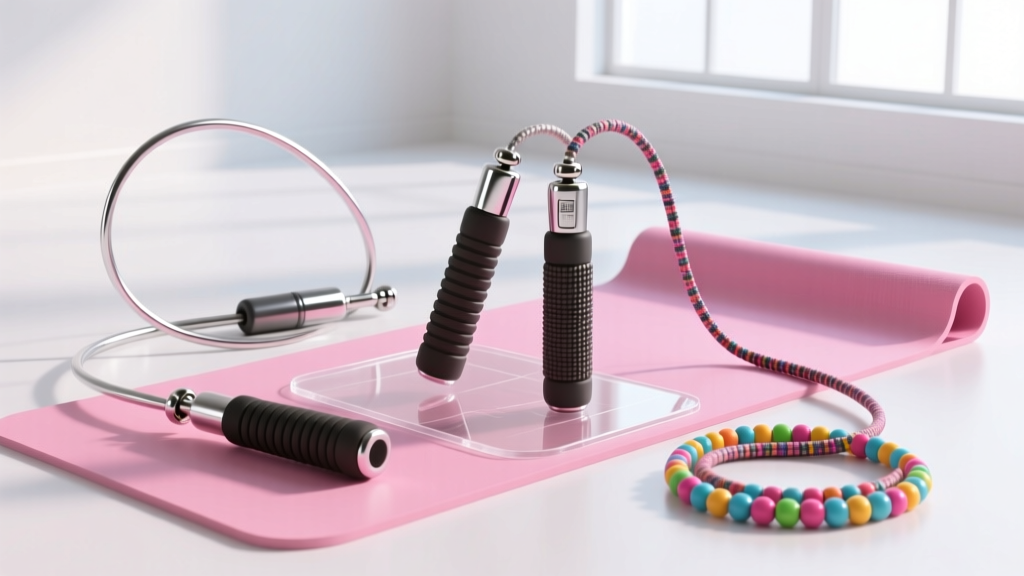
Jump Rope Setup: Speed, Weighted, Beaded & Pink Yoga Mat Protection

BOSU vs Stability Ball: Gym Layouts & Balance Yoga Mat Pairings

Mastering the Yoga Mat Aesthetic: Pilates Space Guide
