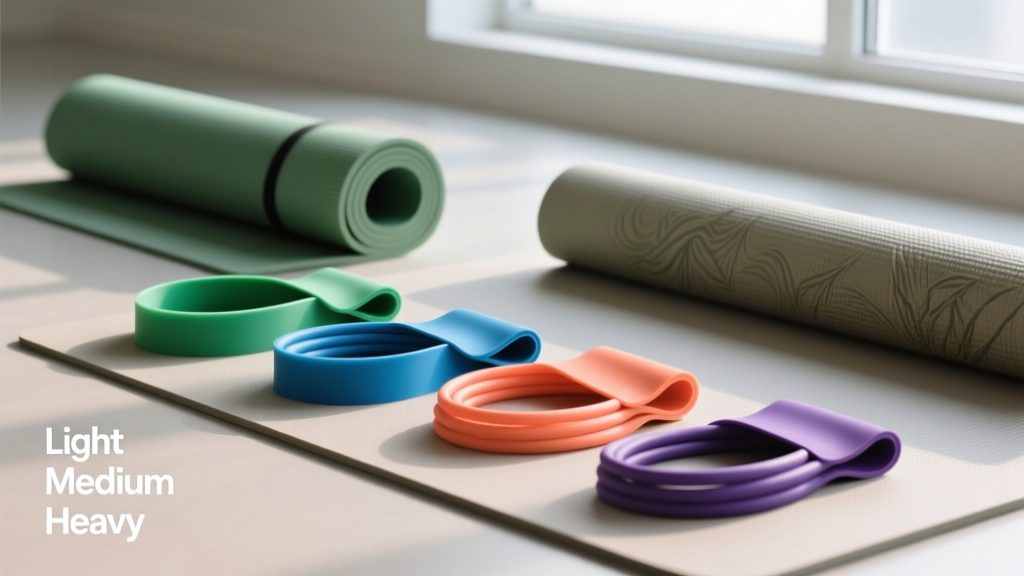
Jump Rope Types: Speed, Beaded & Yoloha Unity Cork Yoga Mat Guide
Compare speed, weighted, and beaded jump ropes for indoor use. Learn how to protect your Yoloha Unity cork yoga mat from abrasions and indentations.

The Indoor Cardio Dilemma: Protecting Premium Cork Surfaces
As home gym setups evolve in 2026, the integration of high-intensity cardio with mindful recovery spaces has become standard. Many athletes are now performing jump rope workouts directly on their premium yoga mats to reduce joint impact and protect hardwood floors. However, this creates a unique materials science problem. The Yoloha Unity Cork Yoga Mat—a premium $139 eco-friendly mat featuring a natural cork top layer fused to a recycled natural rubber base—is highly susceptible to kinetic abrasion. When a jump rope strikes the floor at velocities exceeding 60 mph, the impact force must go somewhere.
Choosing the wrong jump rope type won't just ruin your workout rhythm; it will permanently damage the antimicrobial cork surface and compress the 5mm rubber matrix. In this comprehensive guide, we break down the biomechanics and material interactions of speed, weighted, and beaded jump ropes, specifically analyzing how they interact with natural cork and rubber surfaces like the Yoloha Unity.
Speed Ropes: High RPMs and Surface Abrasion Risks
Speed ropes are engineered for minimal air resistance, allowing athletes to execute double-unders and high-frequency footwork. The core of a true speed rope is typically an aircraft-grade steel cable (often 2.0mm to 2.5mm in diameter), sometimes coated in a thin layer of PVC.
The "Wire-Saw" Failure Mode
If you use a bare steel cable speed rope (such as the standard Elite SRS Speed Rope) on a cork surface, you will trigger what materials engineers call micro-laceration. The steel cable acts like a wire saw against the natural cork. Within just three to four 15-minute sessions, you will notice a distinct, discolored trench forming in the mat where the rope strikes. Cork is naturally durable against compression, but it lacks tensile resistance against sharp, high-velocity shear forces.
⚠️ Critical Warning: Bare Steel on Cork
Never use an uncoated steel cable speed rope on the Yoloha Unity Cork Yoga Mat. The friction will strip the natural cork sealant, exposing the porous material beneath to sweat and bacteria, effectively ruining the mat's antimicrobial properties.
The 2026 Alternative: If speed work is mandatory, opt for a thick PVC-coated speed rope like the CrossRope Lean ($24 - $29). The 5/32-inch PVC sheath disperses the kinetic energy over a wider surface area, reducing the shear force on the cork by approximately 40% compared to bare steel.
Weighted Ropes: Momentum, Muscle Engagement, and Mat Safety
Weighted jump ropes have surged in popularity for home fitness, providing resistance that engages the latissimus dorsi, forearms, and core. Models like the RX Smart Rope or the CrossRope Get Strong Set ($99 - $149) utilize thick, braided nylon or dense polyurethane cores ranging from 1/4 lb to 1 full pound.
Why Weighted Ropes are Safest for Cork
Counterintuitively, heavier ropes are often safer for premium yoga mats. This is due to the physics of impact distribution. A 1/2 lb rope with a 3/8-inch diameter strikes the mat with more total force, but that force is distributed across a much larger surface area. The thick polyurethane exterior acts as a shock absorber, compressing slightly upon impact rather than biting into the cork.
- Impact Dispersion: The wider diameter reduces pounds-per-square-inch (PSI) upon impact.
- Feedback Loop: The weight provides tactile feedback, preventing the "whip-crack" effect where a light rope accidentally snaps against the floor at awkward angles.
- Mat Preservation: Leaves zero micro-lacerations on the Yoloha Unity's cork surface.
Beaded Ropes: Rhythm Training and the "Indentation Effect"
Beaded ropes, characterized by alternating polyurethane or PVC beads strung over a nylon cord (like the classic Buddy Lee Aerobic Rope at $15), are the gold standard for beginners learning rhythm and footwork patterns. However, they present a completely different threat to the Yoloha Unity Cork Yoga Mat: compressive indentation.
"While cork is remarkably resilient to surface scratches, prolonged, repetitive point-load compression can cause the underlying natural rubber base to temporarily lose its rebound latency."
When you jump with a beaded rope, the hard plastic beads strike the mat in the exact same two spots repeatedly. Over a 30-minute session, this repetitive point-load can create shallow, circular indentations in the 5mm rubber matrix. While the cork top layer will remain intact, the rubber base may take 24 to 48 hours to fully expand back to its original 5mm thickness. To mitigate this, athletes using beaded ropes should rotate their mat 180 degrees every week to distribute the wear pattern.
2026 Comparison Matrix: Rope Types vs. Cork Mat Compatibility
| Rope Category | Top 2026 Model | Cork Compatibility | Primary Failure Mode | Avg. Price |
|---|---|---|---|---|
| Speed (Bare Steel) | Elite SRS Speed | Poor | Micro-lacerations / Slicing | $12 - $18 |
| Speed (PVC Coated) | CrossRope Lean | Moderate | Surface scuffing | $24 - $29 |
| Weighted (Polyurethane) | CrossRope Get Strong | Excellent | Minimal (Safe for Cork) | $99 - $149 |
| Beaded (Hard Plastic) | Buddy Lee Aerobic | Fair | Rubber base indentation | $15 - $22 |
Biomechanics and Impact: Why Mat Thickness Matters
Jumping rope is one of the most efficient cardiovascular exercises available. According to the American Heart Association, high-intensity interval training with a jump rope easily satisfies the 75 minutes per week of vigorous aerobic activity required for optimal heart health. Furthermore, a 12-week study published in the National Library of Medicine demonstrated that regular jump rope training significantly improves bone mineral density, largely due to the mechanical loading placed on the skeletal system.
However, that mechanical loading translates to Ground Reaction Forces (GRF) of 2.5 to 3 times your body weight upon landing. The Yoloha Unity's 5mm thickness provides adequate shock absorption for the joints, but the natural rubber base is dense. Unlike cheap, 10mm PVC foam mats that bottom out and cause ankle instability, the cork-rubber matrix of the Unity provides a stable, firm platform for the rapid plantarflexion required in jump rope footwork. Just ensure you are wearing proper cross-training shoes with a forefoot strike pattern to maximize the mat's benefits.
Maintenance: Cleaning Scuffs off the Yoloha Unity
Even with a mat-friendly weighted rope, you may notice light, dark scuff marks on the cork over time. This is usually oxidized rubber or dust transferred from the rope, not actual damage to the mat. According to Yoga Journal's maintenance guidelines, natural cork requires specific care:
- Avoid Harsh Chemicals: Never use bleach or alcohol-based sprays, as they will dry out the cork and cause it to flake.
- The Eraser Trick: For stubborn rope scuffs, use a standard white art eraser to gently lift the mark out of the cork pores.
- Damp Wipe: Use a cloth dampened with water and a drop of mild dish soap, wiping in the direction of the cork grain.
Final Verdict: Which Rope Wins for Home Cork Setups?
If you have invested in the Yoloha Unity Cork Yoga Mat, your primary goal is likely a blend of sustainability, joint support, and premium aesthetics. To protect that investment while getting an elite cardio workout in 2026, weighted polyurethane ropes are the undisputed winner. They offer the best kinetic dispersion, preventing both the slicing of bare steel and the compressive indentations of hard plastic beads.
For speed work, always ensure your cable is heavily sheathed in thick PVC, and for rhythm training with beaded ropes, remember to rotate your mat weekly. By matching your rope's material profile to your mat's tensile and compressive limits, you can enjoy high-RPM cardio without sacrificing the integrity of your premium cork surface.
More gear to consider
All reviews
Stability Ball vs BOSU Ball Care + Gaiam Essential Yoga Mat Tips

Medicine Ball Weight Selection Guide: Building a Floor Routine Beyond the Standard Size for Yoga Mat

Yoga Mat Holder Wall Setup: Organizing Jump Rope Types
Alo Pink Yoga Mat Value & Battle Rope Sizing Budget Breakdown
Match Your Cheetah Print Yoga Mat: Resistance Band Set Buying Guide