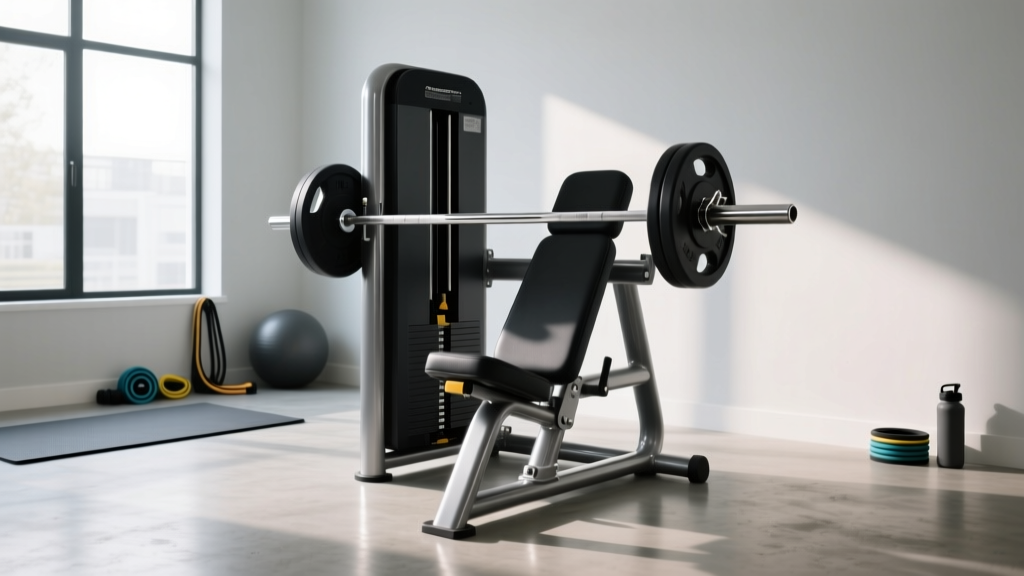
Marcy Home Gym 1005 Setup: Electrical & Safety Mistakes
Avoid critical setup errors with our Marcy Home Gym 1005 safety guide. Learn electrical load limits, floor joist requirements, and troubleshooting tips.

The Hidden Electrical Load of a Modern Home Gym
When outfitting a dedicated fitness space in 2026, enthusiasts often focus entirely on the mechanical assembly of their equipment, neglecting the invisible infrastructure that keeps it running safely. Installing a comprehensive multi-station rig like the Marcy Home Gym 1005 alongside modern smart cardio machines, interactive fitness mirrors, and high-velocity ventilation systems creates a massive, often overlooked, electrical draw. A common and dangerous mistake is daisy-chaining these high-draw devices into a single standard 15-amp residential circuit.
⚠️ Critical Warning: A standard 15-amp circuit maxes out at 1,800 watts. A motorized treadmill can draw 1,500 watts under load, while a smart fitness screen and heavy-duty floor fan can easily add another 400 watts. This guarantees a tripped breaker mid-workout and creates a severe fire hazard over time due to thermal buildup in the wiring.Upgrading to 20-Amp Dedicated Circuits
To safely power the electronics surrounding your Marcy Home Gym 1005, you must install dedicated 20-amp circuits utilizing 12-gauge copper wiring and NEMA 5-20R receptacles. According to the Electrical Safety Foundation International (ESFI), any gym located in a garage, basement, or unfinished space must also feature Ground Fault Circuit Interrupter (GFCI) protection. Sweat is highly conductive; a single drop of perspiration falling from a lat-pulldown bar into an unprotected power strip can cause a lethal short circuit.
- Lighting & AV: Place LED overhead panels and smart screens on a separate 15-amp lighting circuit to prevent flickering when cardio motors surge.
- Surge Protection: Do not use cheap retail power strips. Invest in a rack-mounted UPS (Uninterruptible Power Supply) or a commercial-grade surge suppressor with a minimum 3000-joule rating to protect the logic boards of smart gym accessories.
- Cable Routing: Never run electrical cords beneath heavy rubber gym mats where they can be crushed by dropped dumbbells or the shifting feet of the Marcy Home Gym 1005.
Structural Safety: Floor Joists and Point Loads
The Marcy Home Gym 1005 is a formidable piece of engineering, but its sheer mass introduces severe structural safety considerations. The machine itself weighs approximately 620 pounds unladen. When you add a 250-pound user, a 200-pound weight stack, and the dynamic downward force of heavy lifting, the localized point load can exceed 1,200 pounds.
Calculating Floor Joist Capacities
Standard residential building codes typically require bedroom floors to support a live load of 30 to 40 pounds per square foot (psf). However, a home gym requires a minimum of 100 psf. Placing the Marcy Home Gym 1005 in a second-story bedroom without reinforcing the joists is a catastrophic mistake that can lead to floor sagging, drywall cracking, or total structural failure.
| Floor Location | Standard Live Load | Gym Requirement | Required Action for Marcy 1005 |
|---|---|---|---|
| Concrete Slab (Garage/Basement) | Unlimited | N/A | Use 3/4" rubber mats; anchor frame if specified. |
| First Floor (Over Crawlspace) | 40 psf | 100+ psf | Sister joists or add mid-span support beams. |
| Second Story (Bedroom) | 30-40 psf | 100+ psf | Avoid. Requires extensive structural engineering. |
To distribute the weight of the Marcy Home Gym 1005 across multiple floor joists, lay down a 3/4-inch tongue-and-groove plywood subfloor layer over your rubber mats. This creates a load-spreading diaphragm that prevents the machine's narrow stabilizer feet from punching through the subfloor.
5 Critical Clearance & Cable Routing Mistakes
Mechanical safety is just as vital as electrical and structural integrity. The U.S. Consumer Product Safety Commission (CPSC) reports thousands of injuries annually related to improper home gym clearances and failing cables. When assembling the Marcy Home Gym 1005, avoid these five prevalent mistakes:
- Ignoring the Lat Pulldown Arc: Users often push the machine flush against a wall. The lat pulldown bar requires a minimum of 36 inches of rear clearance to allow for a full range of motion without the user's head or the bar striking the drywall.
- Improper Cable Threading: The 7x19 aircraft-grade cables must be routed exactly through the center of the nylon pulleys. If a cable rides on the pulley's edge, it will fray within 500 repetitions, leading to a sudden, dangerous snap under tension.
- Leaving Slack in the Weight Stack: If the main cable is not tensioned correctly during assembly, the weight stack will 'drop' the first few inches before catching, creating violent kinetic shockloads that degrade the selector pin and guide rods.
- Failing to Secure the Top Pulley Bracket: The uppermost pulley bracket takes the brunt of the lateral force during heavy tricep pushdowns. If the carriage bolts are not tightened with a torque wrench to the manufacturer's specification, the bracket will slowly tilt, causing the cable to derail.
- Neglecting the Safety Lock-Pins: Never use the Smith machine or squat catchers without engaging the secondary locking pins. Relying solely on the primary hooks is a fatal error if the barbell is racked unevenly.
Environmental Controls: Ventilation and Moisture Hazards
A poorly ventilated home gym destroys equipment. The Marcy Home Gym 1005 features a powder-coated steel frame, but the internal weight stack guide rods, selector pins, and cable swivels are highly susceptible to oxidation. In a closed garage or basement, human respiration and sweat can raise the ambient humidity above 70%, accelerating rust on unpainted internal components.
"Corrosion on a weight stack guide rod increases friction by up to 40%. This not only makes the weight feel heavier and jerkier, but it drastically accelerates the wear on the vinyl coating of the weight plates, leading to premature stack failure."
— Home Gym Engineering & Maintenance Report, 2025
The Fix: Install a high-CFM exhaust fan or a dedicated dehumidifier set to maintain 45-50% relative humidity. Ensure the airflow is directed across the room, not blowing directly onto the machine's cable swivels, which can dry out the factory-applied lithium grease.
Expert Troubleshooting Matrix: Electrical & Mechanical Failures
When your setup encounters issues, use this diagnostic matrix to identify the root cause before attempting repairs. Always disconnect power to surrounding smart equipment before inspecting mechanical faults.
| Symptom | Probable Cause | Troubleshooting Step |
|---|---|---|
| Weight stack feels 'jerky' or sticks midway | Dry guide rods or misaligned top plate | Clean rods with isopropyl alcohol; apply silicone-based lubricant (never WD-40). Re-seat top plate. |
| Circuit breaker trips only during treadmill use | Shared 15A circuit or motor surge | Move treadmill to a dedicated 20A circuit. Check treadmill belt tension (overtightened belts draw excess amps). |
| Clicking noise from the upper pulley during lat pulldowns | Cable derailment or worn pulley bearing | Inspect cable seating. Spin pulley by hand; if it grinds, replace the nylon pulley and sealed bearing immediately. |
| GFCI outlet trips randomly without equipment use | Moisture ingress or failing GFCI sensor | Check for concrete moisture wicking into the outlet box. Replace the GFCI receptacle with a weather-resistant (WR) rated model. |
Final Safety Checklist Before Your First Lift
Before loading the Marcy Home Gym 1005 with maximum weight, perform this mandatory 5-point inspection:
- Hardware Audit: Go over every single carriage bolt and hex nut with the appropriate wrench. Metal settles and compresses after the first week of use; retightening is non-negotiable.
- Cable Tension Test: Pull the high-pulley cable down three feet and release it. The weight stack should return smoothly without bouncing or hesitating.
- Electrical Clearance: Verify that no power cables are within 4 feet of the weight stack's drop zone.
- Anchor Verification: If your manual requires floor anchoring for your specific sub-model, ensure the concrete wedge anchors are torqued to 40 ft-lbs.
- Clearance Walk: Stand in the center of the machine and extend your arms and legs fully in all exercise positions to ensure zero contact with walls or adjacent equipment.
Building a home gym is an investment in your long-term health. By respecting the electrical demands, structural limits, and mechanical tolerances of heavy-duty equipment, you ensure your fitness space remains a sanctuary rather than a liability.
More gear to consider
All reviews
Weatherproofing Your Outdoor All Black Home Gym Setup

Shared Home Gym Weights Setup: A Step-by-Step Couple's Guide
Body Solid Home Gym Older Models vs New: Beginner Kit
Impex Marcy Home Gym Setup: Complete Installation Walkthrough

Complete Home Gym Wall Mounted Setup & Floor Plan Guide