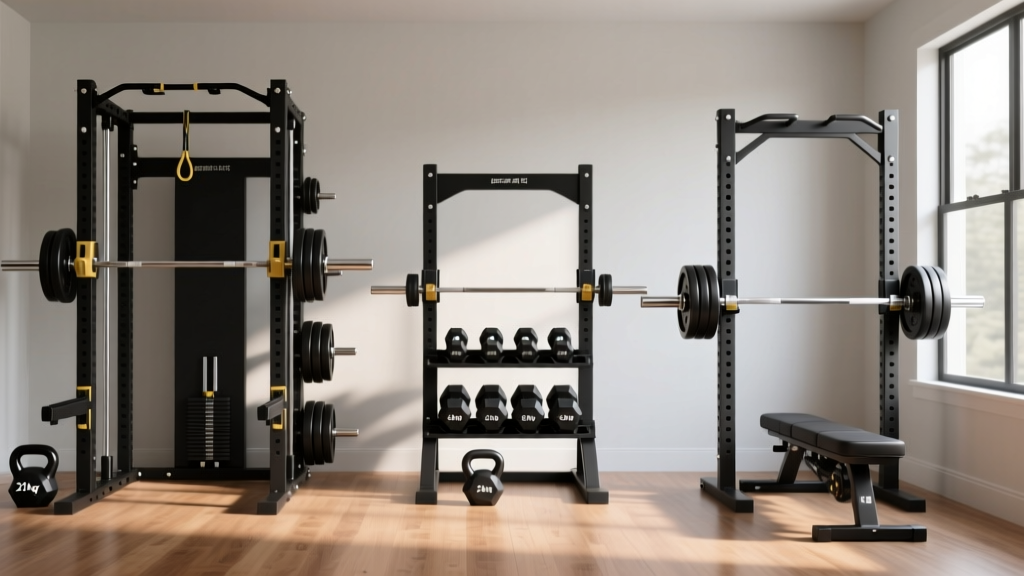
Loadable Dumbbell Care for the Standing Dumbbell Reverse Fly
Master loadable dumbbell maintenance to ensure safety and perfect biomechanics during the standing dumbbell reverse fly. Expert care tips inside.

When building a versatile home gym, a loadable dumbbell with interchangeable plates is one of the most cost-effective investments you can make. However, lifters routinely overlook the maintenance of these systems until a critical failure occurs. While a poorly maintained collar might only cause a minor annoyance during a floor press, it becomes a severe safety hazard during isolation movements that generate high torque. The standing dumbbell reverse fly is the ultimate stress test for your loadable dumbbell hardware. This comprehensive guide explores the biomechanical demands of this exercise, common failure modes in interchangeable plate systems, and a rigorous 2026 maintenance protocol to ensure your gear lasts a lifetime.
The Biomechanical Torque of the Standing Dumbbell Reverse Fly
To understand why meticulous equipment care is non-negotiable, we must examine the physics of the standing dumbbell reverse fly. This exercise targets the posterior deltoids, rhomboids, and middle trapezius through shoulder horizontal abduction. When you hinge at the hips and extend your arms outward, the dumbbell is positioned at the end of a long lever arm—typically 24 to 30 inches away from your shoulder joint.
A 25-pound loadable dumbbell held at this distance generates substantial rotational force (torque). But the stress isn't isolated to your joints; it transfers directly down your forearm, through your grip, and into the dumbbell's sleeve and collar interface. Unlike a bicep curl where the weight is stacked vertically over the handle, the reverse fly subjects the dumbbell collar to intense shear forces and micro-vibrations. If the threads on your spinlock collar are degraded, or the locking gate on a quick-adjust system is compromised by grit, the plates can shift mid-rep. This alters the center of mass, forcing your rotator cuff to compensate instantly, which frequently leads to muscle strains or catastrophic hardware failure.
⚠️ Safety Warning: Never use a loadable dumbbell with compromised or cross-threaded collars for lateral or posterior chain isolation movements. A collar blowout during a standing dumbbell reverse fly can result in severe ankle, foot, or lower back injuries from falling cast iron or urethane plates.Common Failure Points in Loadable Dumbbell Systems
Interchangeable plate dumbbells generally fall into two categories: traditional threaded spinlocks and modern quick-lock mechanisms. Each has distinct vulnerabilities that require specific maintenance care.
1. Traditional Spinlock Collars and Threaded Sleeves
Budget-friendly and highly durable, traditional spinlock handles (such as the CAP Barbell 14-inch Cast Iron models) rely on a threaded sleeve and a star-shaped locking nut. The primary failure mode here is thread fouling. Human sweat, combined with microscopic iron dust shed from cast-iron plates, creates a highly abrasive, corrosive paste. Over time, this paste embeds itself in the zinc-plated threads. When you forcefully tighten the collar, you risk cross-threading or stripping the zinc coating, leaving the collar unable to secure the plates tightly enough for the high-vibration environment of a reverse fly.
2. Quick-Lock and Screw-Gate Mechanisms
Premium systems like the Ironmaster Quick-Lock V2 utilize a drop-pin and screw-gate design to mimic the feel of a solid fixed dumbbell. While incredibly robust, the drop-pin channel is a magnet for floor dust, chalk, and rubber residue from bumper plates. If debris accumulates in the pin channel, the locking screw will register as 'tight' against the debris rather than the actual plate stack. During the eccentric (lowering) phase of a standing dumbbell reverse fly, this millimeter of 'ghost space' allows the plates to rattle and shift, destroying the mind-muscle connection and risking a dropped weight.
The 2026 Maintenance Protocol: Cleaning and Lubrication
According to guidelines from strength and conditioning facility management experts at the National Strength and Conditioning Association (NSCA), preventative equipment maintenance should be scheduled based on usage volume rather than waiting for visible degradation. Follow this step-by-step protocol to keep your loadable dumbbells in peak condition.
- Complete Disassembly (Weekly): Remove all plates and collars from the handle sleeves. Inspect the inner sleeve for rust pitting or burrs.
- Dry Brushing (Weekly): Use a stiff brass wire brush (never steel, which can damage zinc or chrome plating) to aggressively scrub the threads on both the sleeve and the inside of the star nut or screw-gate.
- Solvent Degreasing (Monthly): Wipe down the sleeves and locking mechanisms with a citrus-based biodegradable degreaser. Avoid harsh industrial solvents like acetone, which can degrade the rubber or urethane coatings on your interchangeable plates.
- Targeted Lubrication (Monthly): Apply a thin, even coat of the appropriate lubricant (see matrix below). Wipe away all excess. A dry-to-the-touch finish is critical to prevent dust adhesion.
- Plate Bore Inspection (Quarterly): Check the center holes of your interchangeable plates. If using cast iron, lightly sand any internal rust rings with 400-grit sandpaper to ensure they slide smoothly onto the sleeve without requiring excessive force.
Equipment Matrix: Maintenance Demands by Dumbbell Type
Not all loadable dumbbells require the same chemical care. Using the wrong lubricant can attract grit and accelerate wear. Refer to this matrix to select the correct maintenance supplies for your specific gear.
| Dumbbell Type | Primary Failure Point | Ideal Lubricant | Est. Part Replacement Cost |
|---|---|---|---|
| Traditional Spinlock | Stripped star-nut threads / Sweat corrosion | White Lithium Grease | $12 - $18 / pair |
| Ironmaster Quick-Lock | Drop-pin grit accumulation / Gate binding | PTFE (Teflon) Dry Spray | $25 - $35 / kit |
| Nuobell / Selectorized | Degraded O-rings & dusty selector tracks | 100% Silicone Spray | $40+ (Specialty OEM) |
| Olympic Loadable Handles | Spring collar fatigue / Sleeve scoring | 3-in-One Multi-Purpose Oil | $20 - $45 / clamps |
Sourcing Replacement Parts and Upgrading Hardware
If your maintenance audit reveals irreversible damage—such as a star nut that no longer bites into the threads or a quick-lock screw that wobbles—do not attempt to force it. Continuing to use damaged hardware during a standing dumbbell reverse fly is a liability. Replacement parts are readily available and inexpensive. Standard 1-inch spinlock replacement nuts can be sourced from most fitness retailers for under $20. For those utilizing Olympic-sized loadable dumbbell handles (like those from Rogue Fitness), consider upgrading from standard spring collars to specialized aluminum clamp collars. While spring collars lose their tensile strength over time, clamp collars provide a rigid, zero-slip lock that completely eliminates plate rattle during high-torque lateral movements.
Expert Troubleshooting FAQ
Why do my plates rattle during the eccentric phase of the reverse fly?
Rattling indicates 'ghost space'—a gap between the plates or between the final plate and the collar. This is usually caused by an uneven plate load (e.g., using one 10lb plate and two 2.5lb plates instead of a single 15lb plate) or a collar that isn't fully seated. Always load the largest diameter plates closest to the handle shoulder to minimize the lever arm's vibration, and ensure your collar is torqued down completely. For quick-lock systems, tap the end of the handle against a rubber mat before tightening the screw to naturally seat the plates via gravity.
How do I remove rust from the inner sleeve without damaging the threads?
Wrap a piece of 400-grit wet/dry sandpaper around the smooth portion of the sleeve and rotate the handle inside it. For the threaded portion, soak the threads in a 50/50 mixture of white vinegar and water for exactly 15 minutes to dissolve the iron oxide. Immediately neutralize the acid by rinsing with a baking soda and water solution, dry thoroughly with compressed air, and apply a protective coat of PTFE dry lube. Never use a steel file on the threads, as this will alter the pitch and ruin the locking nut.
Does the type of plate material affect maintenance frequency?
Yes. Cast iron plates shed microscopic metallic dust that accelerates thread wear, requiring monthly cleaning. Urethane and virgin rubber plates are cleaner but can leave a sticky residue on the sleeve over time, especially in warmer home gyms. If you use rubber plates, wipe the sleeves down with a mild dish soap solution weekly to prevent the rubber oils from binding the collar mechanism.
By treating your loadable dumbbell with interchangeable plates as a precision instrument rather than a blunt object, you guarantee both the longevity of your equipment and the safety of your joints. The next time you set up for a set of standing dumbbell reverse flies, you can focus entirely on the contraction of your posterior deltoids, knowing your hardware is engineered and maintained to handle the torque.
More gear to consider
All reviews
Power Rack vs Squat Rack vs Stand: The Dumbbell Rollback Guide
Best Adjustable Dumbbells for Incline Dumbbell Chest Press (2026)

Best Adjustable Dumbbells for Bigger Arms: 2026 Guide & Review
EZ Curl Bar vs Straight Bar & The Single Arm Dumbbell Roll Trend

Dumbbell Routines at Home: Troubleshooting Neoprene Weight Mistakes