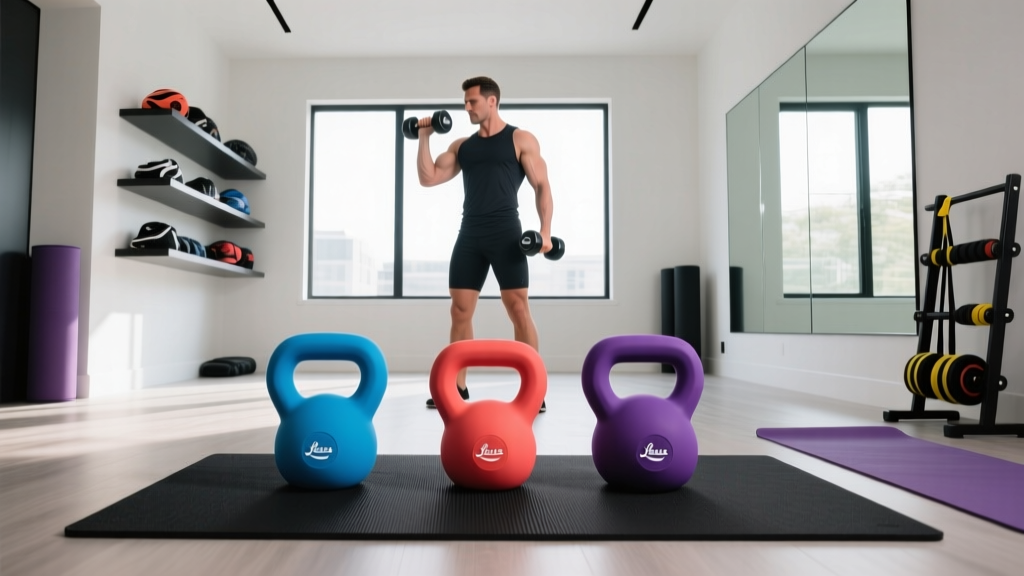
Neoprene Dumbbell Setup & Exercises with Dumbbells for Flabby Arms
Master your home gym setup with neoprene dumbbells. Follow our spatial installation guide and targeted exercises with dumbbells for flabby arms.

Transforming your home fitness space into a dedicated arm-sculpting zone requires more than just buying a pair of weights; it demands a strategic approach to equipment selection, spatial arrangement, and routine programming. For high-repetition, sweat-inducing home workouts, neoprene-coated dumbbells remain the undisputed champion of grip security and floor protection. In this comprehensive setup and installation walkthrough, we will guide you through procuring the right hardware, installing your physical workout zone, and programming the most effective exercises with dumbbells for flabby arms.
Phase 1: Hardware Procurement and Material Selection
Before you can install a workout zone, you must select the right tools. As of 2026, the market for neoprene dumbbells has stabilized, with premium sets from brands like Yes4All, CAP Barbell, and JFIT averaging between $1.50 and $2.30 per pound. Neoprene is a synthetic rubber that offers a slightly porous, matte finish, providing superior grip when hands get sweaty compared to polished chrome or hard plastic.
When selecting your starting weights for arm isolation, avoid the common beginner mistake of buying a single heavy pair. The triceps and biceps require different load thresholds. We recommend installing a 'tri-tier' neoprene set in your home gym:
- Light (3 to 8 lbs): For lateral raises, rear delt flyes, and high-rep triceps kickbacks.
- Medium (10 to 15 lbs): For overhead triceps extensions, hammer curls, and skull crushers.
- Heavy (20 to 25 lbs): For compound movements like close-grip dumbbell presses and bicep curls.
Material Matrix: Neoprene vs. Alternative Coatings
Why choose neoprene for an arm-focused home setup? The table below breaks down how neoprene compares to other common dumbbell coatings in a residential environment.
| Coating Type | Cost per Pound (2026) | Grip Security (Sweaty) | Noise & Floor Impact | Best Use Case |
|---|---|---|---|---|
| Neoprene | $1.50 - $2.30 | Excellent (Matte finish) | Very Quiet | High-rep arm isolation, home floors |
| Urethane | $2.50 - $4.00 | Good (Can be slippery) | Quiet | Heavy commercial lifting, drops |
| Hex Rubber | $1.20 - $1.80 | Poor (Degrades, smells) | Moderate Thud | Budget garage gyms, floor presses |
| Chrome/Iron | $1.00 - $1.60 | Poor (Requires chalk) | Loud, damages floors | Powerlifting, chalk-friendly gyms |
Phase 2: Spatial Installation and Storage Walkthrough
Dumbbells do not require mechanical assembly, but 'installing' them into your home environment requires spatial planning to ensure safety and workflow efficiency. Arm isolation exercises often involve lying on the floor or a bench, meaning your ceiling clearance and floor matting are critical.
Flooring and Clearance Specifications
For a dedicated arm and upper-body zone, you need a minimum clear footprint of 6 feet by 6 feet. If you are performing lying triceps extensions (skull crushers), you must account for the length of your body plus the arc of the dumbbells. Install interlocking EVA foam mats with a minimum thickness of 1/2 inch (12mm) to protect hardwood floors from accidental drops, or 3/4 inch rubber stall mats if you are lifting over concrete.
⚠️ Installation Warning: UV and Sweat DegradationNeoprene is highly susceptible to UV degradation and prolonged moisture exposure. Never install your neoprene dumbbell storage rack in direct sunlight or next to a heat vent. Over time, UV rays will cause the neoprene to chalk, peel, and emit a foul odor. Furthermore, failing to wipe down the handles after heavy sweating can cause the synthetic rubber to break down and become slick.
Storage Rack Installation
To maintain a clutter-free zone, install a tiered A-frame dumbbell rack. For a 3-tier neoprene setup, a 36-inch wide steel rack with a 250 lb capacity is ideal. Position the rack exactly two steps away from your primary workout mat. This specific distance allows you to safely swap weights during drop-sets without having to walk across the room, keeping your heart rate elevated and your muscles under tension.
Phase 3: Routine Installation (Targeted Arm Workouts)
With the physical space installed, it is time to install the habit. When clients ask for the most effective exercises with dumbbells for flabby arms, the focus must immediately shift to the triceps brachii. The triceps comprise roughly two-thirds of your upper arm mass; therefore, targeting this muscle group is the fastest way to tighten and tone the posterior arm. According to the American Council on Exercise (ACE), isolated triceps extensions and compound pressing movements yield the highest electromyography (EMG) activation for this muscle.
Below is the 'Installation Routine' designed specifically for your neoprene setup. Perform this circuit 2 to 3 times per week, adhering to the Physical Activity Guidelines for Americans which recommend muscle-strengthening activities of moderate or greater intensity at least two days a week.
The Arm-Tightening Circuit
- Overhead Dumbbell Triceps Extension (Medium Weight: 10-15 lbs)
- Setup: Sit on the floor or a bench. Press one dumbbell overhead, holding it by the inner plate with both hands.
- Execution: Lower the weight behind your head until your elbows reach a 90-degree angle. Keep your biceps glued to your ears to isolate the long head of the triceps.
- Tempo: 3 seconds down, 1 second pause, 1 second up.
- Volume: 3 sets of 12-15 reps.
- Lying Dumbbell Skull Crushers (Medium Weight: 10-15 lbs)
- Setup: Lie flat on your EVA mat. Press two dumbbells straight up, palms facing each other (neutral grip).
- Execution: Hinge exclusively at the elbow joint, lowering the dumbbells toward the outside of your ears. Do not flare your elbows outward.
- Tempo: 2 seconds down, 1 second up.
- Volume: 3 sets of 10-12 reps.
- Dumbbell Triceps Kickbacks (Light Weight: 3-8 lbs)
- Setup: Hinge forward at the hips at a 45-degree angle, back flat, holding light neoprene dumbbells.
- Execution: Pin your elbows to your ribcage. Extend the forearms backward until the arms are completely straight, squeezing the triceps hard at the apex.
- Tempo: 1 second back, 2 second squeeze, 2 seconds forward.
- Volume: 3 sets of 15-20 reps (burnout).
- Hammer Curls to Bicep Tone (Medium/Heavy Weight: 15-20 lbs)
- Setup: Stand tall, dumbbells at your sides, palms facing inward.
- Execution: Curl the weights up toward your shoulders without rotating your wrists. This targets the brachialis, pushing the bicep up and creating a tighter arm profile.
- Volume: 3 sets of 10-12 reps.
Phase 4: Maintenance Protocol and Longevity
To ensure your neoprene dumbbells last for years, you must implement a strict post-workout maintenance protocol. Unlike urethane or chrome, neoprene is slightly porous and can absorb oils, lotions, and sweat.
The 3-Step Cleaning Walkthrough
- Immediate Wipe Down: After your final set, use a dry microfiber cloth to wipe the handles. This removes the bulk of the sweat and prevents the saline from drying into the neoprene.
- Weekly Deep Clean: Mix a solution of warm water and a few drops of mild dish soap (like Dawn). Dampen a cloth—never spray liquid directly onto the dumbbell—and wipe down the entire surface.
- Chemical Avoidance: Never use bleach, ammonia, or alcohol-based sanitizers on neoprene. These harsh chemicals will strip the synthetic oils from the coating, leading to dry rot, cracking, and eventual peeling.
Expert Insight: If your neoprene dumbbells develop a slight odor over time, do not use aerosol air fresheners. Instead, wipe them down with a 50/50 mixture of distilled white vinegar and water, then let them air dry in a well-ventilated, shaded area. The vinegar neutralizes the bacteria causing the odor without degrading the synthetic rubber.
Conclusion
Building a tighter, more toned upper body at home is entirely achievable when you approach your fitness journey with the same precision as a contractor building a house. By carefully selecting high-quality neoprene dumbbells, properly installing your spatial environment with the right matting and storage, and strictly adhering to targeted exercises with dumbbells for flabby arms, you create a sustainable ecosystem for success. Stick to the 3-second eccentric tempos, respect the maintenance protocols, and watch your home gym yield professional-grade results.
More gear to consider
All reviews
EZ Bar vs Straight Bar Care & Dumbbell Plie Squats Gear Longevity

Bumper vs Iron Plate Care: Longevity & Underhand Dumbbell Rows
Rubber Hex vs Urethane: Top Picks for Weighted Dumbbell Curls

Olympic vs Standard Weight Plates & Dumbbells for Hands
Antique York Dumbbells & Standard vs Olympic Plate Mistakes
