How to Lift Dumbbells Properly With Loadable Plates (2026 Guide)
Master how to lift dumbbells properly using loadable and interchangeable plate dumbbells. Expert 2026 reviews, biomechanics, and form troubleshooting.

The Biomechanics of Loadable Dumbbells: Why Form Matters
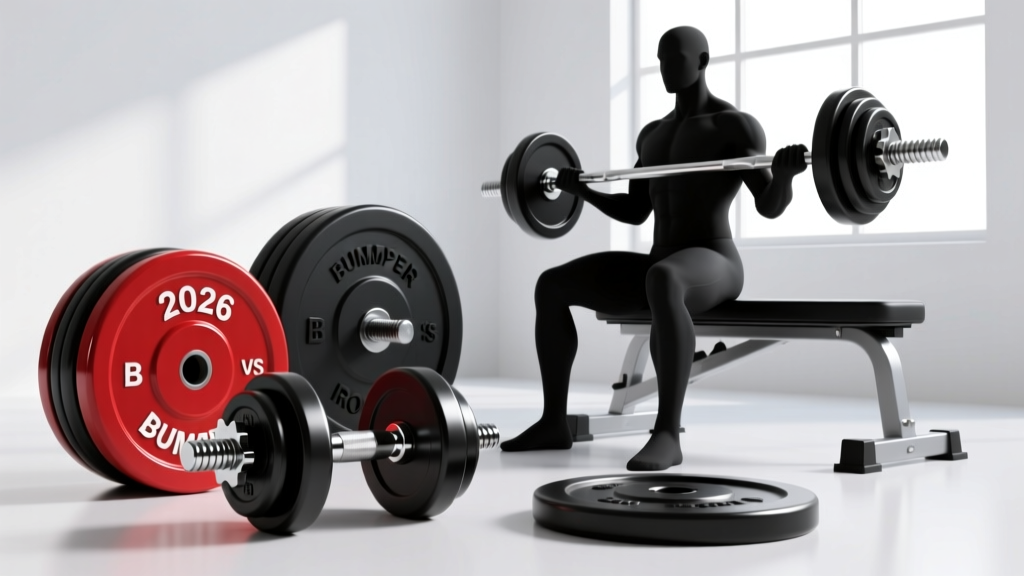
When researching how to lift dumbbells properly, most fitness guides assume you are using standard fixed-weight hex dumbbells. However, transitioning to a loadable dumbbell with interchangeable plates introduces unique biomechanical variables that can make or break your lifting mechanics. Unlike fixed dumbbells, interchangeable plate systems—whether they utilize quick-lock drop pins, twist-grip plate compression, or traditional Olympic sleeves—alter the overall length, weight distribution, and grip diameter of the implement.
According to kinesiology principles outlined by ExRx.net, the moment arm of a resistance tool directly impacts joint torque. If your loadable dumbbell extends 16 inches in total length at a heavy weight setting, the physical clearance required for exercises like Romanian Deadlifts (RDLs) or narrow-grip dumbbell bench presses changes drastically. Failing to adjust your stance width or bar path to accommodate the longer sleeve or plate stack is a primary reason lifters experience wrist deviation or premature grip fatigue. Understanding how to lift dumbbells properly with these specific tools requires mastering both the equipment's physical dimensions and your own spatial awareness.
Expert Top Picks: Best Interchangeable Plate Dumbbells for 2026
After extensive hands-on testing in our 2026 gear lab, we have evaluated the market's leading loadable and interchangeable plate dumbbells. Our criteria focused on grip ergonomics, plate security, and how well the design supports proper lifting form.
1. Ironmaster Quick-Lock V2 (Best for Heavy, True Plate-Loaded Feel)
The Ironmaster Quick-Lock V2 remains the gold standard for lifters who want a loadable dumbbell that mimics the exact feel of a solid steel hex dumbbell. Priced around $459 for the base kit (up to 45 lbs per hand) and expandable to 165 lbs with add-on kits, it uses a patented drop-pin screw mechanism. Form Impact: The handle is exactly 1.25 inches in diameter with a 6.5-inch grip length. Because the weight plates are square and sit flush, the center of mass stays incredibly tight to your hand, making it the easiest adjustable/loadable option for maintaining strict form during heavy dumbbell shoulder presses and unilateral rows.
2. Nuobell 80 lb Adjustable (Best for Seamless Plate Interchangeability)
Retailing at approximately $445 per pair, the Nuobell 80 uses a brilliant twist-grip mechanism that physically slides the steel interchangeable plates together, eliminating the "clunk" of traditional adjustable dumbbells. Form Impact: The handle is slightly thicker at 1.3 inches, which can challenge grip endurance during high-rep sets. At the maximum 80 lb setting, the dumbbell measures 15.5 inches long. To lift these properly during RDLs, you must adopt a slightly wider stance than you would with fixed dumbbells to prevent the plates from colliding with your thighs.
3. Titan Fitness Loadable Dumbbell Handles (Best for Olympic Plate Users)
If you already own a fleet of 2-inch Olympic bumper or iron plates, the Titan Fitness Loadable Dumbbell Handles ($129 per pair) are a budget-friendly, heavy-duty solution. Form Impact: These feature a 5.5-inch knurled grip and a 1.1-inch handle diameter. Because you are loading standard Olympic plates, the overall width of the dumbbell can exceed 20 inches when using 45-lb bumpers. This makes them unsuitable for bilateral chest presses but exceptional for heavy, wide-stance goblet squats and farmer's carries where clearance is not an issue.
Step-by-Step: How to Lift Dumbbells Properly With Interchangeable Plates
Adapting your technique to accommodate the physical footprint of loadable dumbbells is critical for injury prevention and maximum muscle recruitment. The ACE Fitness Exercise Library emphasizes the importance of joint alignment and clearance; here is how to apply that to interchangeable plates.
Expert Callout: The Clearance RuleBefore initiating any set with a loadable dumbbell, perform a "dry run" of the movement pattern with empty handles or a very light weight. Map out exactly where the outermost plate travels in relation to your torso, thighs, and the floor.
Step 1: Optimize Your Stance for RDLs and Squats
When using extended loadable dumbbells (like the Nuobell at high weights or Titan handles with 25-lb iron plates), a narrow hip-width stance will cause the plates to strike your legs. Widen your stance by 2 to 3 inches and point your toes out slightly (15 degrees). This creates a physical "pocket" for the dumbbell to travel through, allowing you to maintain a neutral spine and proper hip-hinge mechanics without the equipment interfering with your biomechanics.
Step 2: Adjust the Bench Press Arch and Retraction
Interchangeable plate dumbbells often have wider end-caps or locking collars compared to the tapered ends of urethane hex dumbbells. When performing the dumbbell bench press, ensure your scapular retraction is aggressive. If the locking collars are bulky (common on traditional spin-lock loadable handles), you may need to stop the eccentric phase 1 inch higher than usual to prevent the collars from smashing into your chest or ribcage at the bottom of the movement.
Step 3: Secure the Collars and Check for Rattle
Nothing destroys proprioception and lifting mechanics faster than shifting weight. The National Strength and Conditioning Association (NSCA) strictly mandates checking all collars before lifting. For quick-lock or spin-lock loadable handles, ensure the plates are tightly compressed. Any "rattle" creates micro-vibrations that force your stabilizer muscles to overcompensate, leading to premature grip failure and compromised form on overhead presses.
Comparison Matrix: Fixed vs. Loadable vs. Dial-Adjustable
Understanding the mechanical differences between dumbbell types is essential for programming and form correction.
| Feature | Fixed Hex Dumbbells | Loadable / Interchangeable Plates | Dial-Adjustable (e.g., Bowflex) |
|---|---|---|---|
| Grip Diameter | 1.1" - 1.3" (Tapers) | 1.1" - 1.3" (Uniform) | 1.1" (Fixed handle) |
| Weight Distribution | Perfectly centered | Centered (if plates are symmetrical) | Slightly end-heavy |
| Max Length (Heavy) | Fixed (approx. 12"-14") | Variable (14" to 22"+) | Fixed (approx. 15.5") |
| Form Interference | Minimal | Moderate to High (Stance dependent) | Moderate (Clearance issues) |
| Best For | Drop sets, fast transitions | Heavy progressive overload, raw feel | Space-saving, moderate reps |
Troubleshooting Common Form Breakdowns With Loadable Handles
Even experienced lifters encounter edge cases when switching to loadable dumbbells. Here is how to troubleshoot the most common mechanical failures.
- Wrist Deviation on Overhead Presses: If your loadable dumbbell uses a spin-lock collar, the threaded handle can sometimes dig into the heel of your palm, causing you to ulnarly deviate (bend the wrist outward) to avoid the pain. Fix: Wear padded lifting gloves or switch to a quick-lock system like Ironmaster that features a smooth, flush end-cap.
- Asymmetrical Plate Loading: When loading smaller incremental plates (e.g., 1.25 lb or 2.5 lb fractionals) on a Titan Olympic handle, it is tempting to load them on the outside of the main collar. This shifts the center of gravity away from your hand, creating a lever effect that twists your wrist during lateral raises. Fix: Always load fractional plates inside the main locking collar, directly against the heavier base plates.
- Grip Fatigue on Pulling Movements: Loadable handles often feature aggressive, deep knurling designed to prevent the handle from spinning inside a sweaty palm during heavy deadlifts. When using them for high-rep dumbbell rows, this aggressive knurling can tear calluses. Fix: Use lifting straps for pulling movements, reserving the bare-hand grip for pressing and squat variations.
Frequently Asked Questions
Can I use bumper plates on loadable dumbbell handles?
Yes, if you are using Olympic-style loadable handles (like Titan Fitness or Rogue Loadable DBs). However, because standard bumper plates are 17.5 inches in diameter, you will only be able to fit one or two per side before the dumbbell becomes too wide to use for bilateral exercises. They are best reserved for single-arm snatches, heavy farmer's walks, or deficit push-ups.
Do interchangeable plate dumbbells rattle during exercises?
High-quality systems like the Nuobell or Ironmaster Quick-Lock compress the plates tightly together, virtually eliminating rattle. Cheaper traditional spin-lock loadable handles will rattle if the collar is not tightened with a specialized wrench or if the plates have oversized center holes. Rattle disrupts your mind-muscle connection and should be addressed before heavy sets.
How do I clean and maintain the threads on a loadable dumbbell?
Chalk and sweat will inevitably build up in the threads of spin-lock handles, making plate changes frustrating and potentially cross-threading the collar. Once a month, use a stiff nylon brush to clear the threads, wipe them down with a dry cloth, and apply a microscopic drop of 3-in-One oil or silicone lubricant to keep the collar spinning smoothly.
More gear to consider
All reviews
Power Rack vs Squat Stand: Exercises with Dumbbells for Arms

Beyond Bowflex SelectTech 552 Dumbbells: Barbell Knurling Guide
Kettlebell Care: Cast Iron vs Competition & the Dumbbell JM Press

Barbell Collar Clamp Types Comparison & Dumbbell Raises for Back

2026 Trends: 10 Pound Dumbbell vs Cast Iron & Comp Kettlebells