Kettlebell Maintenance: Cast Iron vs Competition & 25lbs Dumbbells
Expert guide on maintaining cast iron vs competition kettlebells, plus longevity tips for your 25lbs dumbbells. Prevent rust and extend gear life.

When building a resilient home gym, the choices you make regarding free weight materials dictate not just your workout experience, but your long-term maintenance workload. While many lifters focus heavily on the initial purchase price, the true cost of ownership emerges years down the line. Whether you are deciding between cast iron and competition kettlebells, or trying to preserve the integrity of your go-to 25lbs dumbbells, understanding the metallurgy and material science of your gear is critical.
In this comprehensive maintenance guide, we break down the exact care protocols for cast iron kettlebells, competition-grade steel bells, and standard dumbbells, ensuring your equipment survives decades of heavy use.
The Metallurgy of Free Weights: Why Material Dictates Maintenance
Before applying any oils or brushes, you must understand what your equipment is actually made of. The fitness industry frequently uses the terms 'iron' and 'steel' interchangeably, but from a maintenance perspective, they are vastly different.
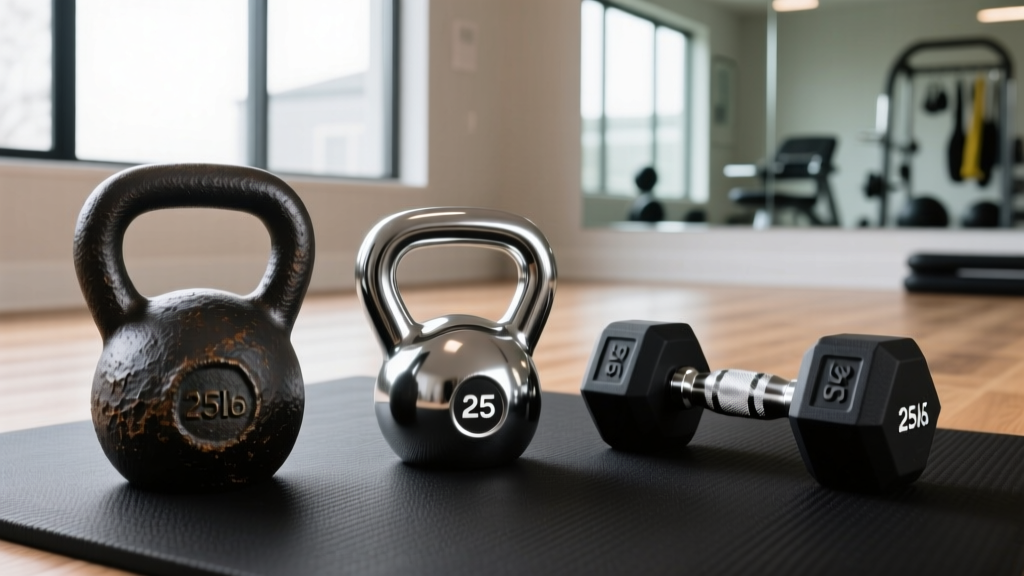
- Cast Iron: Created by pouring molten iron into sand molds. It is highly porous, brittle, and incredibly susceptible to oxidation (rust) when exposed to ambient humidity and the salts found in human sweat.
- Competition Steel: Competition kettlebells are machined from solid steel or feature a steel shell filled with steel shot. Steel is denser, less porous, and typically finished with an automotive-grade powder coat.
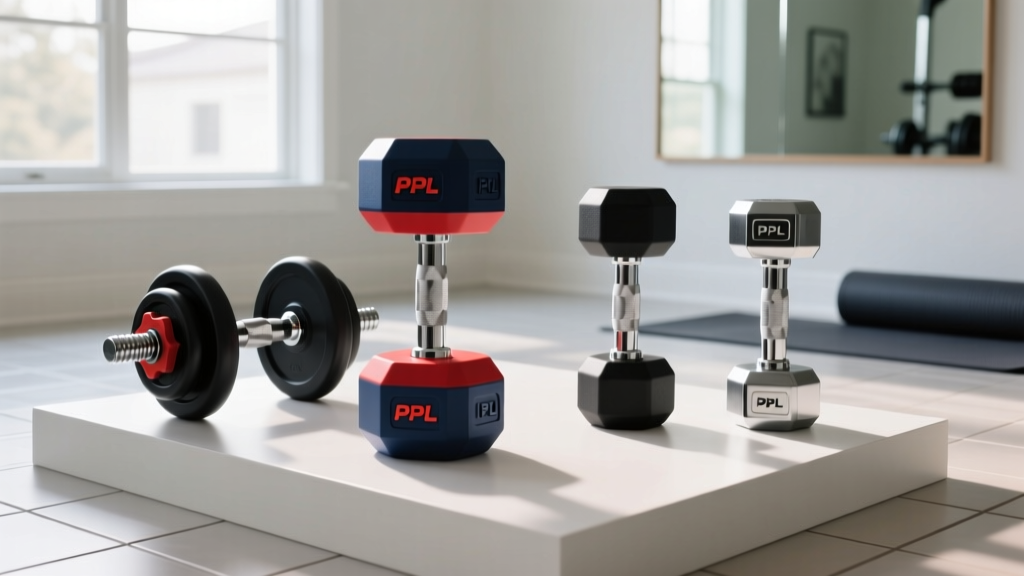
- Urethane vs. Rubber: Often found on hex dumbbells, these elastomers protect the iron core but introduce their own degradation failure modes, such as UV breakdown and plasticizer leaching.
Cast Iron Kettlebells: Embracing and Controlling the Patina
Cast iron kettlebells, like the classic Rogue Cast Iron series or standard CAP Barbell models, are the workhorses of the garage gym. However, their porous nature means they will rust if left untreated. The goal with cast iron is not necessarily to keep it looking brand new, but to manage a stable, protective patina while preventing deep structural oxidation.
Pro-Tip: The Brass Brush RuleNever use a steel wire brush or steel wool on bare cast iron. Steel bristles can break off and embed themselves into the porous iron, creating localized galvanic corrosion that will rust from the inside out. Always use a brass wire brush for agitation.
Step-by-Step Cast Iron Restoration
- Strip the Rust: Use a brass wire brush attached to a power drill for heavy scaling, or hand-scrub with fine-grit sandpaper (120-grit) for surface rust.
- Neutralize and Clean: Wipe the bell down with a 50/50 mix of white vinegar and water to neutralize any remaining oxidation, then dry immediately and thoroughly with a microfiber cloth.
- Seal the Pores: Apply a thin coat of food-grade mineral oil or a specialized rust-preventative like 3-in-One oil. Wipe off the excess. The iron will absorb the oil, darkening the metal and creating a moisture-resistant barrier.
Competition Kettlebells: Preserving the Powder Coat
Competition kettlebells (such as those from Kettlebell Kings or Eleiko) are standardized by dimension. A 12kg (26.4lbs) competition bell is the exact same physical size as a 32kg bell, ensuring your technique remains consistent regardless of the load. Because they are made of steel and coated in thick powder paint, they do not require oiling. Instead, your maintenance focus shifts to impact management.
According to equipment care guidelines highlighted by BarBend's equipment maintenance guides, dropped competition bells are prone to chipping. When the powder coat chips, the underlying steel is exposed to the elements.
Fixing Competition Bell Chips
If you chip your competition kettlebell during a heavy snatch or clean cycle, do not ignore it. Moisture will creep under the surrounding paint and cause it to flake.
- Lightly sand the chipped edge with 400-grit sandpaper to smooth the transition.
- Apply a rust converter if any orange oxidation has begun.
- Use an automotive touch-up paint pen (matched to the bell's color code, often standard RAL colors like RAL 1028 for 16kg or RAL 5015 for 24kg) to fill the chip. Automotive paint is designed to withstand impact and UV exposure far better than standard spray paint.
The 25lbs Dumbbell Baseline: Urethane vs. Rubber vs. Iron
While kettlebells dominate ballistic movements, most lifters anchor their isolation and hypertrophy work with traditional dumbbells. A dedicated pair of 25lbs dumbbells is a staple for lateral raises, tricep extensions, and goblet squats. However, the maintenance of these dumbbells depends entirely on their outer casing.
As of 2026, premium urethane dumbbells average $3.50 to $4.50 per pound, while standard rubber-encased hex bells hover around $1.50 to $2.00 per pound. The price difference reflects the chemical stability of the materials.
| Equipment Type | Material Core/Coat | Primary Failure Mode | Restoration Protocol |
|---|---|---|---|
| Cast Iron KB | Porous Iron / Bare or E-coat | Deep Oxidation (Rust) | Brass brush, mineral oil |
| Competition KB | Solid Steel / Powder Coat | Paint Chipping from Impacts | Automotive touch-up paint |
| 25lbs Dumbbells (Rubber) | Iron Core / Recycled Rubber | UV Degradation, Off-gassing | UV protectant spray, keep indoors |
| 25lbs Dumbbells (Urethane) | Iron Core / Virgin Urethane | Handle loosening, edge tearing | Threadlocker on handles, wipe down |
Maintaining Your 25lbs Dumbbells
If your 25lbs dumbbells are rubber-encased, your biggest enemy is ozone and ultraviolet light. Leaving rubber dumbbells in a garage with direct sunlight will cause the plasticizers to leach out, leaving the rubber brittle, cracked, and prone to shedding black dust. Wipe them down monthly with a damp cloth and a mild, non-bleach detergent. Never use harsh chemical degreasers, which will strip the rubber's natural moisture barrier.
For urethane 25lbs dumbbells, the material itself is virtually indestructible indoors. The actual failure point is the handle assembly. The repeated torque of heavy lifting can cause the handle to loosen from the urethane head. If you notice any wobble, apply a drop of medium-strength threadlocker (like Loctite Blue 242) to the internal bolt if your model allows for hex-key access, or contact the manufacturer for warranty replacement, as premium brands like Rogue Fitness and Eleiko stand behind their head-to-handle bonding.
Environmental Factors: Chalk, Sweat, and Storage
The environment in which you store your free weights dictates your maintenance frequency. Gym chalk (magnesium carbonate) is highly hygroscopic, meaning it pulls moisture directly from the air and traps it against the metal of your kettlebells and dumbbell handles.
The Chalk Rule: If you use liquid or block chalk on your kettlebell handles for high-rep snatches, you must wipe the handle down with a damp microfiber cloth after every session. Allowing chalk to cake in the knurling or on the smooth steel handle will accelerate corrosion and ruin the tactile grip of the bell.
Furthermore, never store cast iron or bare steel directly on a concrete garage floor. Concrete wicks moisture from the earth and transfers it directly into the metal. Always use a rubber horse-stall mat or a dedicated wooden weight rack to create a moisture break between the floor and your equipment.
Frequently Asked Questions
Can I use WD-40 to clean my cast iron kettlebells?
Standard WD-40 is a solvent and water displacer, not a long-term lubricant or rust preventer. While it is excellent for cleaning off sticky sap or heavy grime, it will evaporate quickly and leave your cast iron unprotected. Always follow up a WD-40 cleaning with a dedicated mineral oil or 3-in-One application.
Why is my rubber 25lbs dumbbell leaving black marks on the floor?
This is a sign of plasticizer migration, common in cheaper, recycled-rubber hex dumbbells. The rubber is breaking down due to heat, UV exposure, or age. Unfortunately, this cannot be reversed. To protect your flooring, you can apply a water-based polyurethane sealant to the rubber heads, or upgrade to virgin urethane dumbbells which do not suffer from this degradation.
How often should I oil my bare steel competition kettlebell handle?
Competition kettlebell handles are typically bare, polished steel to allow for smooth rotation during cleans and snatches. Because they lack a protective coating, they should be wiped down with a lightly oiled rag (using a very thin layer of mineral oil) once a week if kept in a climate-controlled room, or immediately after every use if kept in a humid garage gym.
More gear to consider
All reviews
Space-Saving Storage Layouts for Your Workout with 25 lb Dumbbells

American Barbell Dumbbells & Kettlebell Budget Guide

Dumbbell Bench Press vs Barbell Bench Press: The Ultimate Plate Guide

Squat Stand vs Rack: Base for a Dumbbell Tricep Workout Routine

Bumper vs Iron Plates: Space Layouts & Abs Workouts with Dumbbells