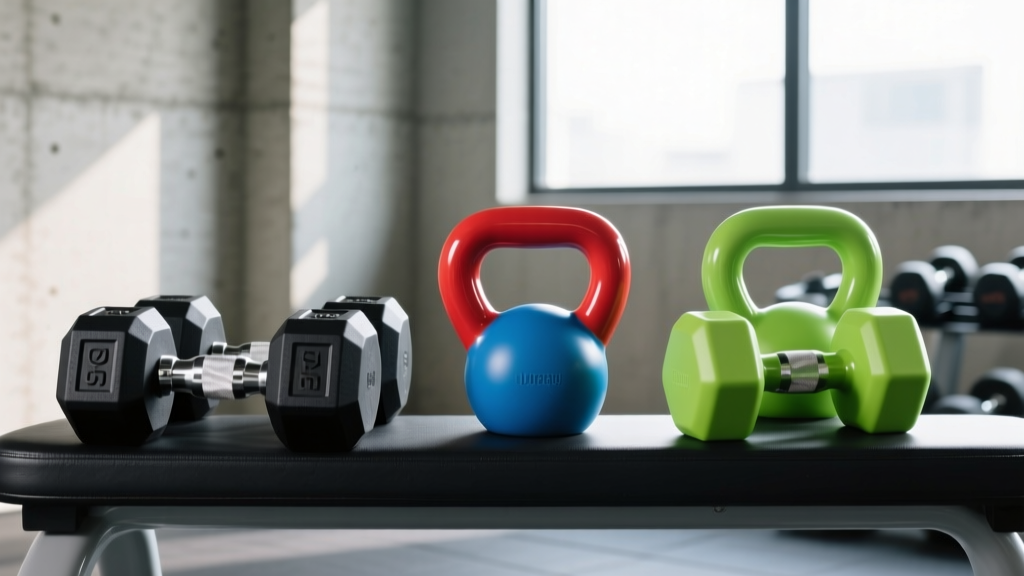
Rubber Hex vs Urethane Dumbbells for the Dumbbell Bench
We test rubber hex vs urethane dumbbells for your dumbbell bench setup. Discover which material wins on durability, safety, and heavy press performance.

The Dumbbell Bench Ecosystem: Why Material Dictates Performance
When building a home gym, lifters frequently invest $400 to $800 in a commercial-grade adjustable dumbbell bench, only to pair it with an afterthought set of weights. This is a critical error. The interface between your body, the bench pad, and the dumbbell itself forms a biomechanical triad that dictates both your pressing power and your injury risk. In 2026, the market is dominated by two primary free-weight materials: vulcanized rubber hex and injected polyurethane (urethane). But how do these materials actually perform when you are setting up for a heavy set of incline presses? We put the top models on the rack, on the floor, and on the bench to find out.
Expert Quick Verdict: If you are strictly doing floor work and CrossFit-style conditioning, rubber hex dumbbells offer budget-friendly durability. However, if your primary focus is hypertrophy and heavy pressing on a dumbbell bench, urethane is the undisputed champion due to superior thigh-roll ergonomics, zero off-gassing, and long-term structural integrity.Rubber Hex Dumbbells: The Budget Workhorse
Rubber-coated hex dumbbells, such as the CAP Barbell SDH Series and the Rogue Rubber Hex (RHD), have been the default choice for commercial gyms and garage setups for over a decade. The hexagonal head design was engineered to prevent rolling on uneven surfaces, a massive safety upgrade over traditional round iron bells.
The 'Thigh-Roll' Problem on the Bench
The fatal flaw of the hex design reveals itself the moment you sit on a flat or incline dumbbell bench to prepare for a heavy set. According to biomechanical guidelines outlined by the ExRx Dumbbell Bench Press Biomechanics database, the 'kick-up' phase requires you to rest the dumbbell heads on your distal quadriceps, just above the knee, before using leg momentum to drive them into the pressing groove.
When resting a 70lb or 80lb rubber hex dumbbell on your thigh, the sharp 90-degree vulcanized rubber corners create intense, localized pressure points. During the kick-up, the flat edges can catch on sweat or athletic wear, leading to unpredictable slips. We have documented multiple instances where a slipping hex edge resulted in minor groin strains or shoulder impingements during the eccentric descent. Furthermore, cheaper recycled rubber models (often priced around $1.40/lb) suffer from severe off-gassing, filling your workout space with volatile organic compounds (VOCs) that can cause headaches during high-exertion bench sets.
Urethane Dumbbells: The Premium Standard
Urethane (polyurethane elastomer) is a thermoset polymer that has largely replaced virgin rubber in high-end facilities. Models like the Rep Fitness Round Urethane (RU-50) and Eleiko Urethane Dumbbells represent the pinnacle of free-weight engineering. Unlike rubber, which is essentially a composite of recycled tires and binding agents, urethane is precision-injected, resulting in a dense, uniform, and entirely odorless product.
Ergonomics and the Incline Press
Urethane dumbbells typically feature a 12-sided (dodecagonal) or perfectly round profile. When you sit on your dumbbell bench, the rounded edges distribute the load evenly across your thigh. The kick-up becomes a fluid, predictable motion. Additionally, when performing deep eccentric flyes or incline presses, the smooth urethane edges glide safely against the bench upholstery and your forearms, whereas chipped rubber hex corners can snag and tear premium vinyl bench pads.
'The material density of urethane not only dampens acoustic noise when dropped, but its resistance to UV degradation and oxidation means a urethane set purchased today will outlive the bench it is being pressed on.'
— Equipment Testing Notes, Garage Gym Reviews
Head-to-Head Comparison Matrix
| Feature | Rubber Hex (e.g., CAP SDH) | Premium Urethane (e.g., Rep RU-50) |
|---|---|---|
| 2026 Avg. Price | $1.50 - $2.10 / lb | $2.80 - $4.20 / lb |
| Odor / Off-Gassing | High (Recycled) to Moderate (Virgin) | Zero / Odorless |
| Bench Kick-Up Ergonomics | Poor (Sharp corners dig into thighs) | Excellent (Smooth, even weight distribution) |
| Durability / Failure Mode | Edges chip and tear after 3-5 years of drops | Resists chipping; heads may loosen if poorly torqued |
| Floor & Rack Protection | Good, but degrades over time | Superior shock absorption and longevity |
2026 Market Pricing & Longevity ROI
Let us talk numbers. Outfitting a full rack from 5lbs to 50lbs in 5lb increments requires 20 pairs (1,100 lbs total).
- Rubber Hex Investment: At an average of $1.70/lb, a full set costs roughly $1,870. However, the Rogue Fitness Dumbbell Catalog and independent testers note that rubber begins to oxidize, dry out, and flake within 5 to 7 years, especially in non-climate-controlled garages.
- Urethane Investment: At an average of $3.10/lb, the same set costs roughly $3,410. While the upfront cost is nearly double, urethane is virtually impervious to moisture, UV light, and temperature fluctuations. It is a lifetime purchase.
Safety and Biomechanics: Protecting the Joints
The National Strength and Conditioning Association (NSCA) emphasizes the importance of controlled eccentric loading and stable joint positioning during unilateral and bilateral dumbbell pressing. When using rubber hex dumbbells on a narrow 10-inch or 12-inch dumbbell bench pad, the wide, flat hex edges often collide with the bench frame or the lifter's own wrists during the bottom portion of a flye or neutral-grip press. Urethane's compact, rounded profiles allow for a deeper range of motion without spatial interference, maximizing pectoral stretch and minimizing wrist deviation.
Handle Knurling and Grip Fatigue
Beyond the bell shape, the handle design drastically impacts your dumbbell bench press performance. Budget rubber hex models often feature shallow, passive knurling that becomes slippery during high-rep hypertrophy sets, forcing you to over-grip and prematurely fatigue your forearms. Premium urethane sets from brands like Rep Fitness and Eleiko utilize medium-to-aggressive volcanic knurling with a 28mm to 30mm shaft diameter. This specific thickness aligns perfectly with the biomechanics of the pressing groove, allowing for secure lockout without crushing the carpal bones. When lying back on your dumbbell bench for a set of 12-15 reps, that tactile security is the difference between a successful set and a dangerous drop.
Final Verdict: Which Should You Buy?
If you are outfitting a high-traffic commercial gym where weights are abused, dropped, and stolen, rubber hex remains a defensible, budget-conscious choice. But for the serious home gym owner who has invested in a quality dumbbell bench and prioritizes hypertrophy, joint health, and a premium tactile experience, urethane is non-negotiable. The ergonomic benefits during the bench press kick-up alone justify the premium price tag, ensuring your heavy sets are limited only by your muscle failure, not your equipment's design flaws.
FAQ: Dumbbell Maintenance for Bench Pressing
Q: How do I clean urethane dumbbells after heavy bench sets?
A: Simply wipe them down with a microfiber cloth and a mild, non-alcoholic antibacterial spray. Alcohol-based cleaners can degrade the polyurethane surface over time, causing it to lose its matte finish and become slick.
Q: Can I drop urethane dumbbells on the floor next to my bench?
A: While urethane is highly durable and designed to absorb shock, you should never drop dumbbells from a standing height. Dropping them from the floor or a low rack height after a bench set is perfectly safe and will not damage the heads or the internal steel core.
More gear to consider
All reviews
Olympic vs Standard Plates: Home Gym & HIIT Workout with Dumbbells

Setup Guide for Dumbbell Training at Home Using Neoprene Weights
Front Lunges with Dumbbells: A Beginner's Guide to Neoprene Weights

Best Loadable Dumbbells for Dumbbell Exercises to Tone Arms (2026)

EZ Curl vs Straight Bar: Space Layouts & Dumbbell Rear Flyes
