Dumbbell Incline Floor Press: Rubber Hex vs Urethane Longevity Tips
Compare rubber hex vs urethane dumbbells for the dumbbell incline floor press. Expert maintenance tips to maximize coating longevity and prevent damage.

The Biomechanics of Wear During the Dumbbell Incline Floor Press
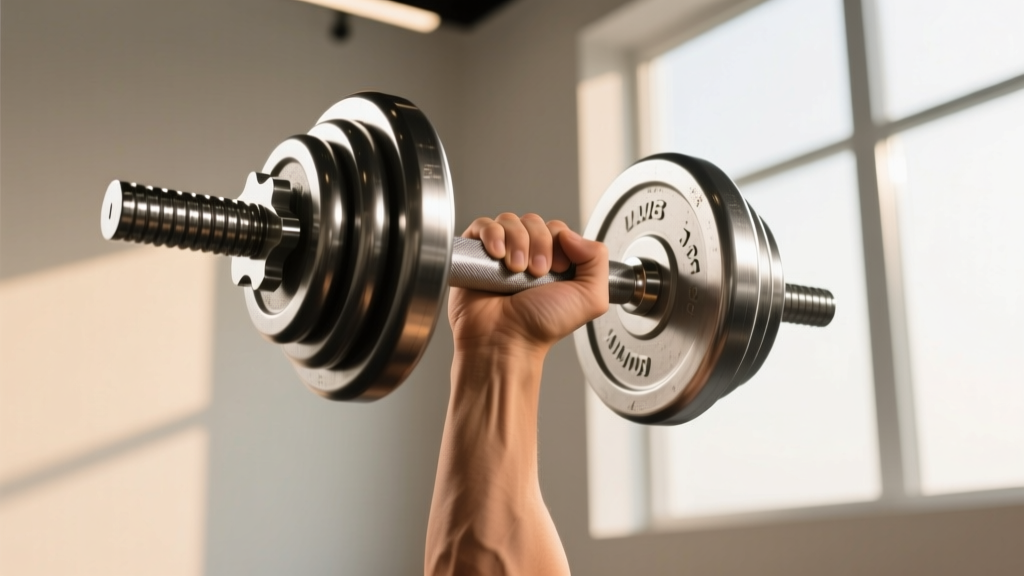
When building a home gym or outfitting a commercial facility in 2026, selecting the right free weights requires looking beyond mere aesthetics. The dumbbell incline floor press is a highly effective movement for targeting the upper pectorals and anterior deltoids without the need for a bulky incline bench. Typically performed by lying on a high-density foam wedge placed directly on the floor, this exercise places unique mechanical stresses on your equipment. Unlike traditional rack-based pressing, the floor provides zero shock absorption when weights are lowered or dropped between sets.
Furthermore, the geometry of the incline wedge means dumbbells are frequently rested on angled surfaces, slid across flooring, or subjected to repetitive friction against the user's thighs during the kick-up phase. These micro-impacts, combined with heavy sweat exposure, accelerate the degradation of dumbbell coatings. Understanding how different materials handle this specific abuse is critical for maximizing your equipment's lifespan and protecting your floors.
Material Science: Rubber Hex vs. Urethane
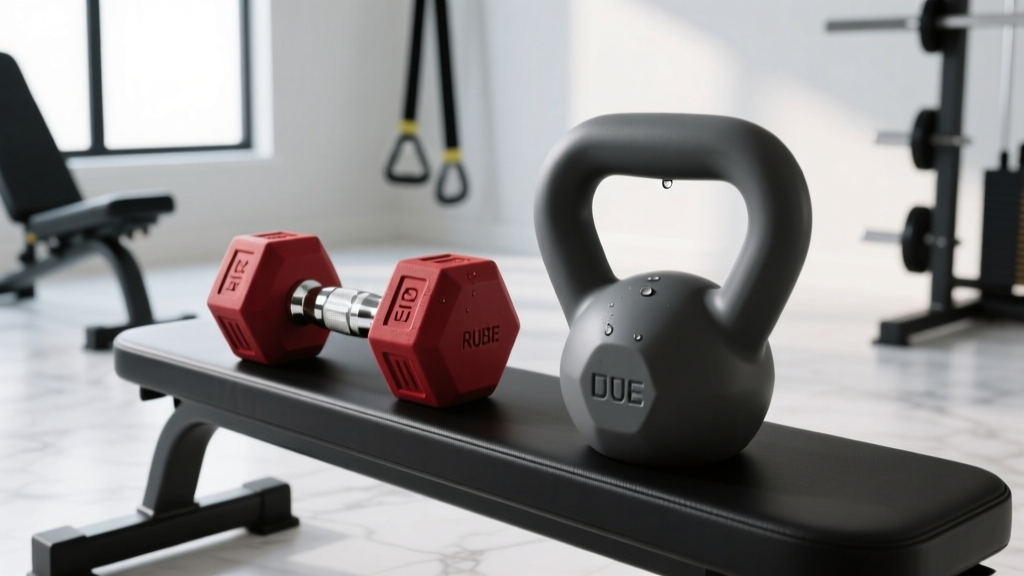
The fitness equipment market is dominated by two primary dumbbell coatings: vulcanized rubber (commonly molded into hexagonal shapes) and cast polyurethane. While both serve to protect floors and reduce noise, their molecular structures react very differently to the rigors of the dumbbell incline floor press.
Rubber Hex Dumbbells
Rubber hex dumbbells, such as the CAP Barbell CAST-R series or standard commercial-grade imports, are manufactured by melting down recycled or virgin rubber and molding it around a steel core. The hexagonal shape is specifically designed to prevent rolling—a crucial safety feature when resting weights beside a floor wedge. However, rubber is a porous material. Over time, the oils in human sweat and the friction from dragging weights across rubber gym mats can cause the surface to dry out, micro-crack, and eventually flake.
Urethane Dumbbells
Urethane (polyurethane) is a premium elastomer that has become the gold standard for high-end commercial gyms and serious home setups. Brands like Rogue Fitness and Eleiko utilize virgin urethane, which offers superior abrasion resistance and tensile strength. According to the Center for the Polyurethanes Industry, polyurethane elastomers maintain their structural integrity and elasticity even under extreme repetitive impact and UV exposure. For the dumbbell incline floor press, urethane's non-porous surface means sweat cannot penetrate the coating, virtually eliminating the risk of internal rust or surface degradation from acidic perspiration.
Material & Durability Matrix
To make an informed purchasing and maintenance decision, review the comparative data below based on current 2026 market specifications:
| Feature | Rubber Hex Dumbbells | Virgin Urethane Dumbbells |
|---|---|---|
| Average Cost (per lb) | $1.50 - $2.20 | $3.80 - $6.50 |
| Shore A Hardness | 85 - 90 (Medium-Firm) | 92 - 95 (Firm/Impact Resistant) |
| Sweat & Moisture Resistance | Moderate (Porous, requires sealing) | Excellent (Non-porous, impervious) |
| Odor Off-Gassing | High (Can last weeks/months) | None to Very Low |
| Floor/Wedge Marking | High (Leaves black scuffs on nylon wedges) | Low (Clean release, minimal scuffing) |
| UV Degradation | High (Brittle if exposed to sunlight) | Low (UV stable formulations) |
⚠️ The Sweat Acidity Factor
Human sweat has a pH level ranging from 4.5 to 7.0, making it mildly to moderately acidic. When performing high-exertion, ground-based movements like the dumbbell incline floor press, sweat frequently drips directly onto the dumbbell heads resting on the floor. While urethane naturally repels this acidity, untreated rubber will slowly break down at the molecular level, leading to the infamous 'sticky' or 'melting' phase of cheap rubber dumbbells.
Step-by-Step Maintenance Protocol
Proper maintenance is non-negotiable for longevity. The American Council on Exercise (ACE) emphasizes that using the wrong cleaning agents can cause more harm than good, particularly on elastomeric surfaces. Follow this protocol to maintain your dumbbells after heavy floor-pressing sessions.
1. Immediate Post-Set Wipe (Both Materials)
- Action: Use a dry, high-pile microfiber cloth to wipe down the knurled steel handles and the coating immediately after your set.
- Why: Removing liquid sweat before it evaporates prevents salt crystallization, which acts like sandpaper against the steel core insert and the surrounding coating lip.
2. Weekly Deep Cleaning: Rubber Hex
- Mix a solution of warm water and a pH-neutral dish soap (e.g., Dawn) in a 10:1 ratio.
- Dampen a cloth (never spray directly onto the dumbbell to avoid liquid seeping into the steel core seam).
- Wipe the hex heads thoroughly, paying special attention to the flat edges that make contact with the floor and incline wedge.
- Apply a water-based rubber protectant (like 303 Aerospace Protectant) once a month to replenish moisture and prevent UV cracking.
3. Weekly Deep Cleaning: Urethane
- Use a dedicated gym wipe or a cloth dampened with a mild enzymatic cleaner.
- Wipe down the entire surface. Urethane's non-porous nature means you do not need to condition it.
- Avoid bleach-based or ammonia-based cleaners, as these can cause the urethane to yellow or cloud over time, even if structural integrity remains intact.
Real-World Failure Modes & Edge Cases
Even with meticulous care, equipment fails if subjected to forces outside its design parameters. Here are the specific failure modes associated with the dumbbell incline floor press and how to mitigate them.
Core Separation (The Drop-Shock Effect)
When finishing a heavy set of floor presses, users often drop the dumbbells from chest height to the floor. Rubber hex dumbbells are highly susceptible to core separation. The repeated shockwave travels through the rigid rubber and breaks the adhesive bond between the steel handle and the rubber head. Once separated, moisture enters the gap, rusting the core from the inside out. Solution: Always lower the dumbbells to your thighs, then guide them to the floor. Urethane's superior shock absorption makes it far more forgiving of accidental drops, but controlled lowering is always recommended.
Wedge Scuffing and Friction Burns
When adjusting your position on an incline wedge, dumbbells are frequently dragged across the wedge's nylon or leather covering. Rubber hex dumbbells will leave stubborn black friction marks that are nearly impossible to remove from fabric wedges. Urethane, being harder and less prone to shedding carbon black, will glide over the wedge without leaving permanent stains.
Edge Chipping on Concrete Subfloors
If your gym floor consists of thin rubber mats over concrete, a heavy dumbbell dropped during a floor press can cause the concrete beneath to crack, creating an uneven surface. Over time, resting a rubber hex dumbbell on these micro-fissures will chip the rubber edges. Urethane's higher Shore A hardness allows it to bridge these minor imperfections without deforming or chipping.
Final Verdict: Which Should You Choose?
If the dumbbell incline floor press is a staple in your programming, your choice of dumbbell dictates both your maintenance workload and the lifespan of your gear.
Choose Rubber Hex if: You are on a strict budget (under $2.00/lb), you have a dedicated, well-ventilated garage gym where slight off-gassing is acceptable, and you are committed to a strict monthly rubber-conditioning routine. They offer excellent anti-roll safety for floor work but require vigilant cleaning to prevent sweat degradation.
Choose Urethane if: You want a 'buy it for life' investment. The premium upfront cost ($4.00+ per lb) is offset by zero maintenance requirements, no odor, and exceptional resistance to the impact and sweat inherent in floor-based pressing movements. For commercial spaces or high-end home gyms where equipment is shared and heavily used, urethane is the undisputed champion of longevity.
"The true cost of fitness equipment isn't just the purchase price; it's the replacement cycle. Urethane eliminates the replacement cycle for coatings, making it the most economical choice over a 10-year horizon."
More gear to consider
All reviews
Squat Stand vs Rack: Base for a Dumbbell Tricep Workout Routine

Optimizing Space for the Flat Dumbbell Chest Fly: Hex vs Urethane

EZ vs Straight Bar: Gym Layouts & Dumbbell Thrusters GIF Guide

Upgrading from Hip Thrusters with Dumbbells: Barbell Knurling & Weight
Dumbbell Pullover Exercise Benefits: Rack Storage & Maintenance