Maintain Loadable Dumbbells for Chest Exercises Without a Bench
Learn how to maintain loadable dumbbells and interchangeable plates for floor chest workouts. Expert care tips to prevent rust, thread damage, and wear.

The Rise of the Minimalist Home Gym and Floor-Based Training
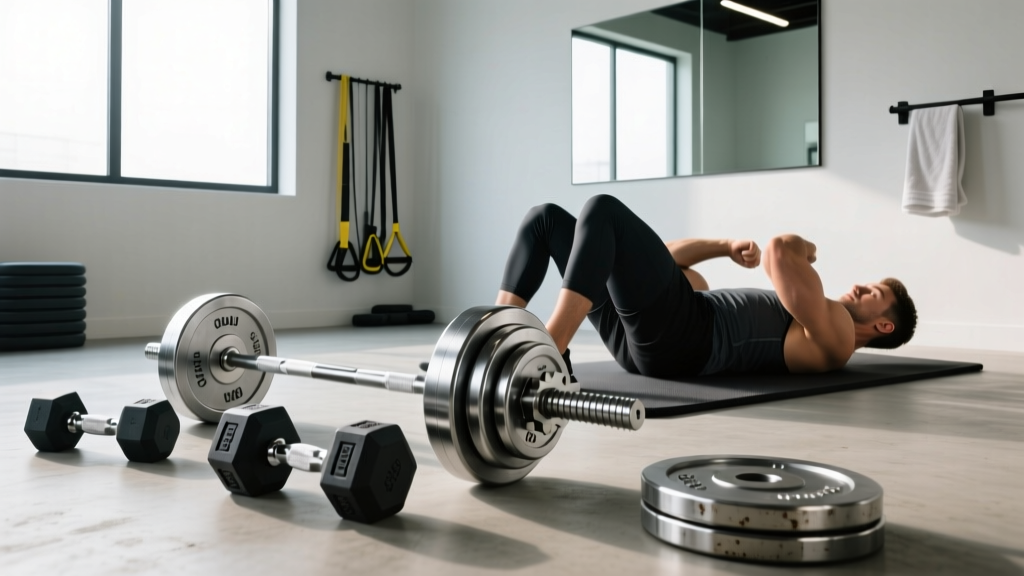
As modular home gyms continue to dominate the fitness landscape in 2026, space-saving equipment has become a necessity. For lifters optimizing small spaces, performing exercises for chest with dumbbells without bench setups—such as the floor press, glute-bridge fly, and dumbbell pullover—has become a staple programming strategy. However, executing these heavy compound movements on the floor introduces unique mechanical stresses to your equipment, specifically to loadable dumbbells with interchangeable plates.
Unlike fixed-weight hex dumbbells, loadable systems (such as spinlock handles or quick-lock lever mechanisms) feature moving parts, exposed threading, and removable collars. When you are pressing 80+ pounds per hand from the floor and setting them down aggressively between sets, the shear forces and impact vibrations can rapidly degrade these components if left unmaintained. This comprehensive guide details the exact maintenance protocols required to maximize the longevity of your interchangeable plate systems under the rigorous demands of floor-based chest training.
The Biomechanics of Floor Pressing and Equipment Stress
When you perform a floor press, the range of motion is naturally restricted by your triceps hitting the ground. To compensate, lifters often use heavier loads or incorporate explosive concentric phases. Setting these heavy, loaded dumbbells down on a hard surface post-set generates significant kinetic transfer.
- Vibrational Loosening: The sharp deceleration when iron or urethane plates hit a concrete or hardwood floor sends shockwaves up the dumbbell handle. Over time, this micro-vibration can back out spinlock collars or fatigue the drop-pins in quick-lock systems.
- Thread Shearing: If a spinlock collar is not fully seated and tightened before a heavy floor press, the lateral pressure of the plates shifting during the eccentric lowering phase can strip the zinc-plated threads on the handle.
- Coating Degradation: Bare cast iron plates are prone to micro-chipping when struck against hard floors, exposing the raw iron to ambient humidity and accelerating oxidation (rust).
Core Maintenance Protocols for Interchangeable Systems
To ensure your loadable dumbbells survive the rigors of floor-based chest routines, you must implement a targeted maintenance schedule. The care required varies significantly depending on the locking mechanism of your specific model.
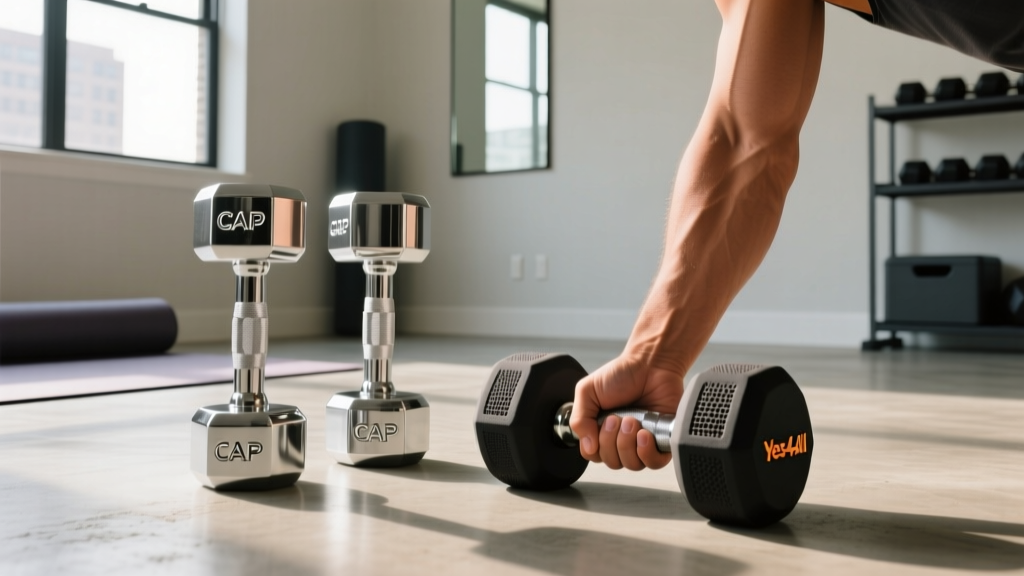
1. Spinlock Thread and Collar Care (e.g., Yes4All, CAP Barbell)
Traditional spinlock dumbbells rely on a threaded handle and a star-lock or smooth collar. The most common mistake lifters make is using petroleum-based lubricants like standard 3-in-One oil or WD-40 on the threads. Never use petroleum distillates near your plates. These chemicals will break down the polyurethane bonds in urethane plates and cause rubber plates to become sticky and degrade.
- Cleaning: Once a month, remove all plates. Use a stiff nylon brush (never a wire brush, which strips the protective zinc or black oxide coating) to remove chalk and dust from the threads.
- Lubrication: Apply a light mist of PTFE (Teflon) dry lubricant or 100% silicone spray to the threads. Wipe away excess with a microfiber cloth. This prevents cross-threading without attracting dust or damaging plate coatings.
- Seating Technique: Always thread the collar on backwards by hand for the first two rotations to ensure the threads align perfectly before tightening against the plates.
2. Quick-Lock Pin and Lever Inspection (e.g., Ironmaster Quick-Lock HD)
Lever-based systems like the Ironmaster Quick-Lock HD (retailing around $449 in 2026) use a drop-in pin and a securing screw to lock square plates in place. While incredibly durable, the drop-pins are subject to bending if the dumbbell is dropped on its end during a heavy floor press.
Expert Inspection Tip: Every 90 days, remove the locking screw and extract the drop-pin. Roll the pin across a perfectly flat surface, such as a glass table or granite countertop. If the pin wobbles, it has sustained a micro-bend from impact and must be replaced immediately to prevent catastrophic failure during a heavy set of floor presses.3. Knurling and Handle Preservation
Floor exercises require an exceptionally tight grip, as you lack the stability of a bench to help guide the weight. This means your knurling is working overtime. Sweat is highly acidic and will rapidly corrode bare steel knurling.
After every workout, scrub the handles with a nylon brush and a 50/50 mixture of water and white vinegar or a mild dish soap. Dry immediately with a towel. Once a week, apply a few drops of mineral oil or a specialized knurling conditioner, working it into the grooves with your fingers and wiping off the excess. According to the Rogue Fitness Equipment Care Guidelines, avoiding harsh chemical cleaners is paramount to preserving the integrity of the knurling's protective coating.
Maintenance Matrix: Component Wear and Action Plan
Use the following matrix to establish a baseline maintenance routine for your loadable dumbbell systems. Consistency is the key to preventing costly replacements.
| Component | Wear Indicator | Maintenance Action | Interval |
|---|---|---|---|
| Spinlock Threads | Collar sticks or squeaks | Nylon brush + PTFE Dry Lube | Monthly |
| Quick-Lock Pins | Visible scoring or wobble | Flat-surface roll test + replace | Quarterly |
| Handle Knurling | White chalk buildup or rust spots | Soap scrub + Mineral Oil | Weekly |
| Cast Iron Plates | Surface oxidation (orange dust) | Wire brush + Enamel paint touch-up | As Needed |
| Urethane Plates | Edge chipping or dullness | Wipe with damp cloth (no chemicals) | Post-Workout |
Mitigating Impact Damage During Floor Routines
The most effective maintenance strategy is preventative care. When executing exercises for chest with dumbbells without bench equipment, you are inevitably going to set heavy weights down on the floor. Doing this directly on concrete, tile, or even standard hardwood will transmit destructive shockwaves into the dumbbell's locking mechanisms.
The Solution: High-Density Vulcanized Rubber Mats
Invest in 3/4-inch thick vulcanized rubber horse stall mats (typically costing between $45 and $60 per 4x6 foot mat in 2026). Unlike cheap PVC yoga mats or interlocking foam tiles that compress entirely under heavy loads, vulcanized rubber absorbs and disperses the kinetic energy of a 90-pound dumbbell being set down. Placing a dedicated mat under your pressing zone will increase the lifespan of your interchangeable plate collars by an estimated 40%, according to impact dispersion data referenced in the Ironmaster Warranty and Care Instructions.
Troubleshooting Common Plate and Collar Failures
Even with meticulous care, heavy floor pressing can lead to specific failure modes. Here is how to diagnose and fix them:
- The 'Rattling' Plate Syndrome: If your loadable dumbbell rattles excessively during the concentric phase of a floor press, your plates are not compressed tightly enough. For spinlock systems, use a rubber mallet to gently tap the collar tighter after hand-tightening. For lever systems, ensure the backing screw is torqued to the manufacturer's specification (usually around 15-20 Nm).
- Stripped Collar Threads: If a spinlock collar slips when tightened, the internal threads are stripped. Do not attempt to re-tap the threads. Replace the collar immediately. A blown collar during a heavy glute-bridge floor press poses a severe crush hazard to your face and torso.
- Cracked Rubber Hubs: Cheaper interchangeable plates feature a plastic or low-grade rubber hub insert that grips the handle. Over time, the friction of sliding plates on and off wears these hubs out, causing the plate to wobble. Upgrade to solid cast iron or precision-machined urethane plates with steel inner rings for permanent stability.
Conclusion
Mastering chest development without a bench requires heavy, stable loadable dumbbells. By understanding the unique mechanical stresses that floor-based pressing places on interchangeable plate systems, and by implementing a strict, chemical-safe maintenance routine, you can ensure your equipment remains safe, secure, and functional for decades. Treat your collars, threads, and pins with the same respect you give your training program, and your home gym will serve you reliably through every heavy floor press.
More gear to consider
All reviews
How To Start Homegym Smart: A Practical, Space-Savvy, Budget-Aware Blueprint

Gold Dumbbells Weight Setup: Neoprene Home Gym Guide
2026 Loadable Dumbbell Trends: Dumbbell Deadlift Muscles Worked
Space-Saving Racks for Biceps Curl Dumbbells & Layouts
Space-Saving Loadable Alternatives to Fixed 100 Pound Dumbbells