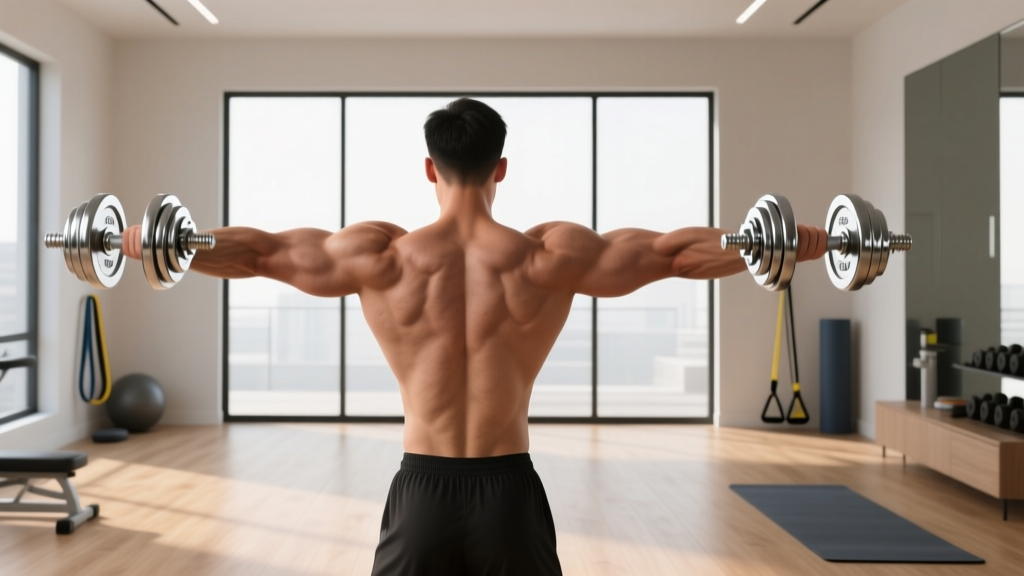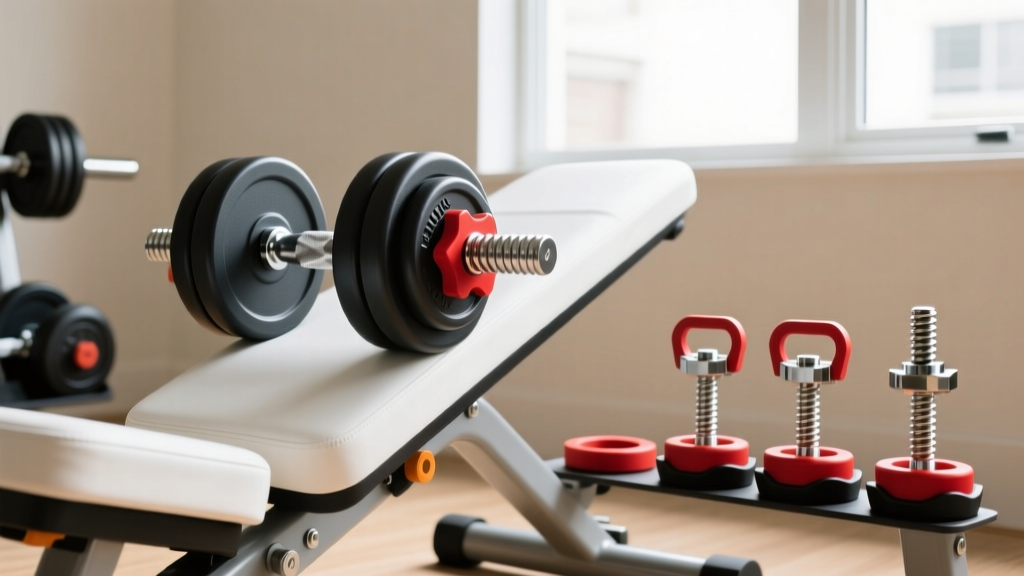
Incline Dumbbell Press at Home & Barbell Collar Comparison
Troubleshoot common incline dumbbell press at home mistakes and explore our detailed barbell collar and clamp types comparison for ultimate home gym safety.

The Hidden Dangers of Home Pressing: Why Equipment Fails
Building a home gym in 2026 offers unparalleled convenience, but it also shifts the burden of safety entirely onto your shoulders. When executing the incline dumbbell press at home, lifters often hyper-focus on muscle activation, rep tempo, and progressive overload while critically neglecting equipment integrity. A slipped weight plate or a failed selector pin during a heavy incline press isn't just a ruined set—it is a severe crush hazard.
Furthermore, as home lifters progress and eventually transition from heavy adjustable dumbbells to barbell variations to break through plateaus, understanding the nuances of weight securing becomes mandatory. This guide bridges the gap between troubleshooting your incline dumbbell press setup and providing a comprehensive barbell collar and clamp types comparison to ensure your home gym remains a safe environment for heavy pressing.
Troubleshooting the Incline Dumbbell Press at Home
Before loading the barbell, we must address the most frequent mistakes lifters make when performing the incline dumbbell press at home. According to biomechanical analyses outlined by the ExRx Exercise Directory, minor deviations in setup can drastically alter joint stress and muscle recruitment.
1. The Bench Angle Fallacy
The most pervasive mistake is setting the adjustable bench too high. Many commercial benches have preset notches at 45, 60, and 75 degrees. However, an incline greater than 45 degrees shifts the primary load away from the clavicular pectoralis (upper chest) and heavily onto the anterior deltoid, effectively turning the movement into an incline shoulder press.
- The Fix: Set your bench between 30 and 45 degrees. If your bench lacks a 30-degree notch, use a bumper plate under the base of the backrest to achieve the optimal 30-degree angle for maximum upper chest isolation.
2. Adjustable Dumbbell Selector Pin Failures
When doing the incline dumbbell press at home, most lifters use selectorized dumbbells like the Bowflex SelectTech 552 or PowerBlock Elite. These rely on internal "collar" mechanisms—either a rotary dial or a selector pin—to lock the plates to the handle.
⚠️ Critical Safety Warning: Never lift adjustable dumbbells off the rack without visually verifying the selector pin or dial. A common failure mode occurs when the dial is caught between weight increments. If the internal locking pin is not fully seated in the plate groove, the outer housing will lift, but the weight plates will remain on the tray—or worse, detach mid-press.3. Asymmetrical Loading and Grip Shifts
Unlike a barbell, dumbbells require independent stabilization. On an incline, gravity pulls the weights down and slightly back toward your face. If your grip is not perfectly centered on the handle, the dumbbell will tilt, placing immense shear stress on your wrists. Always use the knurling center marks to ensure symmetrical grip placement before unracking.
The Physics of the Incline Vector: Why Gravity Defeats Weak Clamps
When you max out your adjustable dumbbells and transition to the barbell incline press, the physics of the movement dictate your collar choice. On a flat bench, gravity pulls weight plates straight down, pressing them flush against the inner sleeve collar.
However, on a 30-degree incline, the gravity vector splits. This creates a lateral shear force that actively pushes the weight plates down the barbell sleeve, away from your body. This downward sliding force means that collars relying purely on weak radial tension will fail. Understanding this physics principle is the foundation of our barbell collar and clamp types comparison.
Barbell Collar and Clamp Types Comparison
To secure your plates against the incline shear force, you must choose the right collar. Below is a deep dive into the four primary collar types available on the 2026 market, analyzing their mechanisms, pricing, and failure modes.
1. Spring Clips (The False Economy)
Spring clips are the standard, low-cost collars found in most commercial gyms. They consist of a steel coil that you compress to slide onto the sleeve.
- Average Price: $10 - $18 per pair
- Mechanism: Radial spring tension.
- Failure Mode: Spring clips are highly susceptible to the incline shear force. As the barbell tilts, the plates slide downward, easily overcoming the weak friction of the spring clip. Furthermore, repeated compression causes metal fatigue, leading to a permanent loss of tension within 6 to 12 months of heavy use.
- Verdict: Avoid for any inclined or Olympic lifting movements.
2. Lever / Cam Collars (The Modern Standard)
Collars like the Lockjaw Olympian utilize a plastic or composite body with a cam-lever mechanism. When you snap the lever shut, it pulls a tension band or rigid clamp tight against the barbell sleeve.
- Average Price: $25 - $40 per pair
- Mechanism: Mechanical cam leverage.
- Failure Mode: While they offer excellent grip on standard machined sleeves, they can struggle on heavily chalked or rusted sleeves. Additionally, the composite plastic bodies can crack if dropped violently from overhead during a failed jerk or snatch.
- Verdict: Excellent for general home gym use and incline pressing, provided you keep your barbell sleeves clean.
3. Screw-Down Clamp Collars (The Pressure Kings)
Brands like Proloc utilize a screw-tightened clamp design. You slide the collar on and turn a knob or screw to drive a plastic or metal wedge directly into the barbell sleeve.
- Average Price: $35 - $55 per pair
- Mechanism: Threaded screw compression.
- Failure Mode: The primary drawback is changeover speed. Fumbling with a threaded screw during a high-intensity superset is frustrating. Additionally, over-tightening can strip the internal threads or permanently scar the steel of your barbell sleeve.
- Verdict: Ideal for powerlifters and heavy bench/incline pressers who do not need to change weights rapidly.
4. Competition Clamp Collars (The Heavy Duty Choice)
Modeled after IWF and IPF standards, collars like the Rogue HG 2.0 or Eleiko Training Collars feature a machined aluminum body, a steel inner insert, and a locking lever mechanism. They weigh exactly 2.5kg each, counting toward your total barbell weight.
- Average Price: $65 - $95 per pair
- Mechanism: Forged lever with steel friction insert.
- Failure Mode: Virtually zero slip failure. The only edge case is if the locking latch mechanism is not fully engaged over the center dead-point, which can cause the lever to pop open if the barbell violently bounces in a rack.
- Verdict: The absolute gold standard for heavy incline barbell pressing and dynamic movements. The high cost is justified by a lifetime of indestructible use.
Data Matrix: Collar Performance on an Incline Vector
To help you make an informed purchasing decision for your home gym, we have synthesized the performance data of these collars specifically regarding their resistance to the lateral shear force experienced during a 30-to-45-degree incline press.
| Collar Type | Avg. Price (2026) | Incline Slip-Resistance | Changeover Speed | Best Application |
|---|---|---|---|---|
| Spring Clips | $10 - $18 | Poor (High Slip Risk) | Very Fast | Flat bench, light accessories |
| Lever / Cam (Lockjaw) | $25 - $40 | Good | Fast | General home gym, hypertrophy |
| Screw-Down Clamp | $35 - $55 | Excellent | Slow | Heavy static pressing, powerlifting |
| Competition Clamp (Rogue) | $65 - $95 | Superior (Zero Slip) | Fast | Heavy incline, Olympic lifts, drops |
Real-World Edge Cases and Failure Modes
Even the best collars can fail if the underlying equipment is flawed. One non-obvious edge case involves barbell sleeve tolerances. Many budget barbells (priced under $150) feature sleeves that are poorly machined, slightly tapered, or have a flared lip at the very end.
"If your barbell sleeve measures 49mm instead of the standard 50mm at the tip due to manufacturing variances, lever and competition collars will not achieve the necessary radial compression. Always measure your sleeve diameter with digital calipers before investing in premium collars."
Additionally, the ACE Fitness Exercise Library and guidelines from the National Strength and Conditioning Association (NSCA) continually emphasize that no collar replaces the necessity of a competent spotter or the use of safety spotter arms when pressing heavy loads on an incline, where the bar path naturally drifts toward the face and neck.
Final Safety Protocols for 2026 Home Gyms
Mastering the incline dumbbell press at home requires a holistic approach to safety. It begins with dialing in your bench angle to 30-45 degrees, rigorously checking your adjustable dumbbell selector pins, and understanding the biomechanical drift of the weights. When you graduate to the barbell, you must respect the physics of the incline vector.
Ditch the spring clips. Invest in a reliable pair of lever collars for daily hypertrophy work, or upgrade to competition clamp collars if you are pushing heavy 1-rep maxes on the incline. By treating your collars not as mere accessories, but as critical life-saving safety equipment, you ensure that your home gym remains a place of progress, not preventable injury.
More gear to consider
All reviews
Beginner's 4 Day Dumbbell Workout Using Neoprene Home Weights

Cast Iron vs Competition Kettlebell Care & Push Day Workout Dumbbells

Back Muscles Workout with Dumbbells: Neoprene Mistakes & Fixes
Power Rack vs Squat Rack vs Stand: Setup & Plank Rows with Dumbbells

Olympic Barbell Guide & Standing Dumbbell Rear Delt Fly Setup