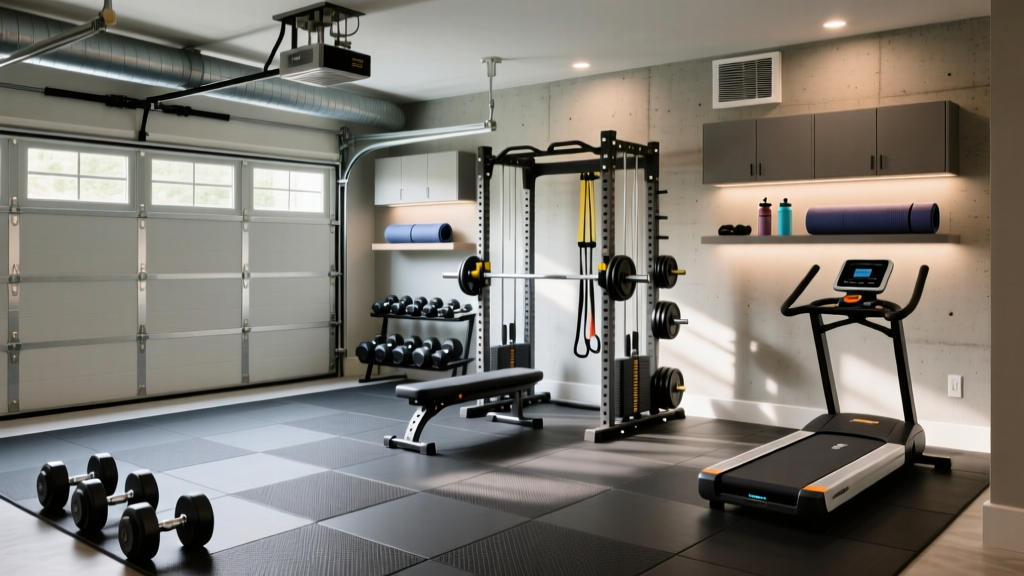
Are Horse Stall Mats Good for Home Gym Setups? Care & Longevity
Discover if horse stall mats are good for home gym strength setups. Learn expert maintenance, seam management, and longevity tips for vulcanized rubber.

The Truth About Equine Flooring in Strength Training
When budget-conscious lifters ask, are horse stall mats good for home gym environments, the answer is a resounding yes—but with a major caveat regarding long-term maintenance. Originally designed to withstand the hooves of 1,200-pound animals in agricultural settings, these 4x6-foot, 3/4-inch thick vulcanized rubber mats (typically sourced from farm suppliers for $55 to $65 each) have become the undisputed king of budget home gym flooring. However, configuring a dedicated strength training zone introduces extreme point-loads, lateral shear forces, and environmental factors that agricultural use simply does not replicate.
Unlike virgin rubber tiles that interlock seamlessly, horse stall mats are heavy, non-interlocking slabs that require strategic placement and rigorous upkeep to survive heavy barbell drops and sweat-drenched sessions. If you are building a powerlifting or functional fitness garage gym, understanding the failure modes of vulcanized rubber is the difference between a floor that lasts a decade and one that degrades, shifts, and ruins your concrete subfloor within two years.
Quick Verdict: The Stall Mat Reality
Pros: Unmatched cost-per-square-foot ($2.30/sq ft), extreme density (100+ lbs per mat), excellent shock absorption for dropped iron.
Cons: Severe off-gassing odor, heavy seam-shifting under lateral loads, moisture trapping on concrete subfloors, requires manual cutting for rack fitting.
Configuring Your Strength Zone: Seam Management & Rack Placement
The most common point of failure in a horse stall mat gym is not the rubber itself, but the seams. When you are squatting 400 pounds out of the hole or deadlifting heavy, your feet exert massive lateral shear forces. If your mats are not secured, they will slide, creating a tripping hazard and exposing your subfloor to knurled steel barbell impacts.
The Power Rack Footprint Problem
Consider a standard power rack like the Rogue RM-3 or REP PR-4000, which typically features a 49x49-inch or 48x48-inch base footprint. A single 4x6-foot stall mat covers the depth perfectly but falls short on the width. This forces you to place two mats side-by-side, creating a seam directly down the center of your lifting platform.
- The Fix: Never run a seam directly beneath the uprights of your power rack. The micro-sway of a loaded rack during heavy squats will chew through the rubber edges over time. Instead, stagger your mats in a brickwork pattern, or use a dedicated 2x4-foot piece of 3/4-inch plywood topped with a scrap piece of rubber to bridge the seam directly under the rack feet.
- Adhesion Strategy: Do not rely on the 100-pound weight of the mat to keep it in place. Use Gorilla Heavy Duty Double-Sided Tape (Model 60310) or XFasten carpet tape along every seam. Apply the tape to the subfloor, not just the mat edges, to prevent the tape from peeling off the rubber's textured underside during humidity shifts.
Combating the Subfloor Threat: Moisture and Concrete Spalling
Vulcanized rubber is largely impermeable. While this makes it great for catching spilled water or sweat, it also turns your floor into a giant vapor trap. If you are building your gym on a concrete slab (like a garage or basement), moisture vapor naturally migrates upward through the porous concrete. When trapped beneath a rubber mat, this moisture has nowhere to go.
'If your concrete slab's Moisture Vapor Emission Rate (MVER) exceeds 3 pounds per 1,000 square feet per 24 hours, trapping that moisture under non-porous rubber will eventually lead to concrete spalling, subfloor mold, and a foul, permanent mildew odor in your gym.' — Flooring Industry Moisture Standards
Actionable Longevity Step: Before laying down a single mat, conduct an ASTM F1869 calcium chloride test or use a digital concrete moisture meter. If moisture is present, lay down a 6-mil polyethylene vapor barrier overlapping the seams by 6 inches and taping them with moisture-barrier tape. According to Rogue Fitness flooring guidelines, protecting the subfloor is just as critical as protecting the iron, especially in non-climate-controlled garages where condensation is rampant.
Routine Maintenance: Cleaning Sweat, Chalk, and Iron Dust
Strength training generates unique debris: magnesium carbonate (gym chalk), oxidized iron dust from knurled barbells, and highly acidic human sweat. If left unattended, chalk acts as a desiccant, slowly drawing the plasticizing oils out of the vulcanized rubber and causing it to become brittle and crack at the edges.
| Cleaning Agent | pH Level | Verdict for Vulcanized Rubber | Best Use Case |
|---|---|---|---|
| Simple Green All-Purpose | 8.5 - 9.5 (Mild Alkaline) | Excellent. Cuts through sweat and chalk without degrading rubber polymers. | Weekly mopping (diluted 10:1 with water). |
| Zep Neutral Floor Cleaner | 7.0 (Neutral) | Excellent. Leaves no residue, safe for daily use. | Daily spot-cleaning sweat puddles. |
| Household Bleach | 11.0 - 13.0 (Highly Alkaline) | Avoid. Breaks down sulfur bonds in vulcanization, causing whitening and crumbling. | Never use on stall mats. |
| White Vinegar | 2.5 (Acidic) | Use Sparingly. Good for hard water stains, but frequent use dries out rubber. | Occasional mineral deposit removal. |
The Chalk Removal Protocol: Never use a standard bristle broom on gym chalk; it simply grinds the magnesium carbonate deeper into the rubber's textured pores. Instead, use a shop-vac with a hard-floor attachment weekly. For deep cleaning, use a stiff nylon deck brush with a diluted Simple Green solution to agitate the pores, then squeegee the water toward your garage door or floor drain.
Combating the 'Barn Smell' and UV Degradation
The most notorious drawback of agricultural mats is the off-gassing of volatile organic compounds (VOCs), often described as a 'barn' or 'cow fart' odor. This is a byproduct of the sulfur-based vulcanization process and the petroleum-based binders used to fuse the rubber crumb.
According to the Environmental Protection Agency (EPA), VOCs can cause short-term respiratory irritation and headaches, making proper ventilation non-negotiable in an enclosed home gym. To accelerate the curing process and ensure the longevity of the air quality in your strength zone:
- The Sun-Bake Method: Before installing, lay the mats flat in direct sunlight on your driveway for 48 to 72 hours. UV exposure and heat will accelerate the off-gassing process. Warning: Do not leave them in the sun for more than a week, or the edges will begin to curl and warp from uneven thermal expansion.
- The Scrub-Down: Wash both sides of the mat with a mild dish soap and warm water before bringing them inside. This removes the oily manufacturing residue that traps odors.
- Long-Term UV Protection: Once installed, if your gym is in a garage with east or west-facing windows, the daily UV exposure will eventually cause 'chalking' (a white, dusty degradation on the rubber surface). Apply a UV-resistant rubber protectant, such as 303 Aerospace Protectant, every six months to mats located in direct sunbeams.
Edge Cases: When Horse Stall Mats Fail
While incredibly durable, stall mats are not invincible. Be aware of these specific failure modes in a strength training configuration:
- Barbell Knurling Shear: If you frequently drop bare barbells (without bumper plates) from shoulder height, the aggressive stainless steel knurling will gouge the rubber. Over time, these gouges become tear points when the mat expands in summer heat. Always use bumper plates or a dedicated wooden drop platform for Olympic lifts.
- Thermal Expansion Gaps: Vulcanized rubber expands and contracts with temperature fluctuations. In an un-insulated garage, mats laid tightly wall-to-wall in the winter will buckle and form 'volcanoes' in the summer when the rubber expands. Always leave a 1/2-inch expansion gap between the mats and the drywall.
Frequently Asked Questions
Can I drop heavy deadlifts directly on the seams?
No. Dropping 400+ pound deadlifts directly on an untaped seam will cause the mats to separate and the barbell to strike the concrete, potentially bending your barbell and cracking your slab. If your deadlift zone falls on a seam, bridge it with a 3/4-inch piece of plywood underneath the rubber, or invest in a dedicated horse-stall-mat deadlift platform using a wood-sandwich design.
How long do horse stall mats last in a home gym?
With proper seam taping, routine pH-neutral cleaning, and protection from extreme UV and trapped moisture, a high-quality 3/4-inch vulcanized stall mat will easily last 10 to 15 years in a residential strength training environment. The rubber itself rarely degrades; it is the edges and seams that require periodic maintenance.
More gear to consider
All reviews
Outdoor Home Gym Help: Weatherproofing Equipment for Longevity

Capcom's Home Gym Equipment Bundle Sold Out Quickly in Japan: Remodeling

Renter-Friendly Home Gym Painting: Mistakes & Fixes
Weatherproof Outdoor Home Gym Flooring Installation Guide

Space-Saving Home Gym Tips: Best Foldable Setups 2026