Home Gym Setup & A Simple Dumbbell Arm Workout With Neoprene
Master your home gym setup with neoprene dumbbells and follow our complete walkthrough for a simple dumbbell arm workout to build strength safely.

The Intersection of Space Setup and Muscle Isolation
Building a functional home gym in 2026 requires more than just purchasing equipment; it demands a strategic approach to space installation, equipment maintenance, and biomechanical setup. When it comes to upper body isolation, the neoprene coated dumbbell for home use remains the gold standard. The matte, tactile finish of neoprene provides a secure grip without the need for messy chalk, while the hexagonal design prevents rolling and allows for safe floor-based exercises. However, simply owning these weights is not enough. To maximize hypertrophy and protect your investment, you need a complete setup and installation walkthrough that covers everything from flooring and off-gassing to the execution of a highly effective, simple dumbbell arm workout.
Phase 1: Physical Space & Equipment Installation
Before you curl a single pound, your physical environment must be properly installed to accommodate neoprene dumbbells. While neoprene is floor-friendly compared to bare cast iron, it is not indestructible.
Flooring and Rack Calibration
- Subfloor Protection: Do not rely on thin interlocking EVA foam tiles. For a dedicated home gym, install 3/8-inch thick vulcanized rubber mats (such as those from Mats Inc. or Tractor Supply's horse stall mats). This density absorbs the acoustic shock of dropping a 30 lb neoprene dumbbell and prevents the hex edges from chipping.
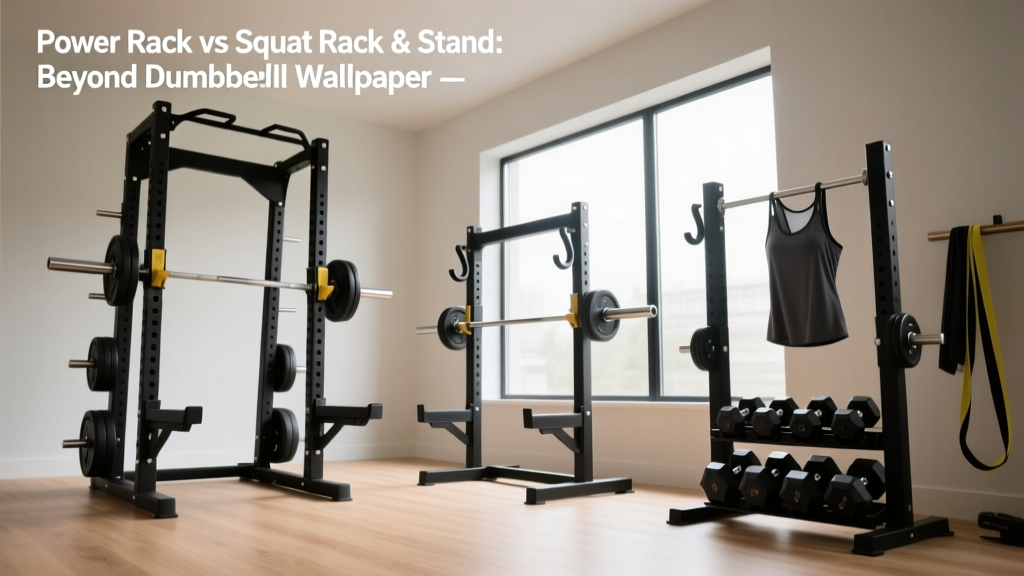
- Rack Installation: Neoprene dumbbells are best stored on a tiered A-frame rack rather than a wall-mounted shelf. The synthetic rubber coating adds slight bulk to the handle ends, making tight wall-rack slots a friction hazard that can peel the coating over time. Ensure your A-frame rack is anchored to the studs with 3-inch lag bolts to prevent tipping during loading.
The Unboxing and Off-Gassing Protocol
When you unbox new neoprene dumbbells—whether you opt for the highly rated Yes4All Neoprene Hex series (averaging $1.80 per pound in 2026) or the Amazon Basics line (around $2.10 per pound)—you will notice a distinct chemical odor. This is the off-gassing of volatile organic compounds (VOCs) from the manufacturing process. Setup Rule: Leave the dumbbells in a well-ventilated garage or covered patio for 48 to 72 hours before bringing them into your primary living space. Wipe them down once with a damp microfiber cloth to remove factory mold-release agents, which can make the handles dangerously slippery during your first workout.
Phase 2: Biomechanical Setup & Posture Calibration
A successful arm isolation routine relies heavily on joint stacking and scapular control. Because neoprene dumbbells feature a thicker, contoured handle compared to bare steel Olympic dumbbells, your grip setup must be adjusted to prevent forearm fatigue from overshadowing bicep and tricep engagement.
Expert Grip Tip: When holding a neoprene hex dumbbell, align the flat top edge of the hex head parallel to your fingers. This naturally forces your wrist into a neutral, stacked position, reducing the sheer force on the radiocarpal joint during heavy curls and extensions.
According to the American Council on Exercise (ACE) Exercise Library, maintaining a rigid torso and retracting the scapula slightly during arm isolation prevents the anterior deltoid from hijacking the movement. Set your feet shoulder-width apart, brace your core as if preparing for a punch, and lock your elbows firmly against your ribcage.
Phase 3: The Simple Dumbbell Arm Workout Walkthrough
With your space prepped and your biomechanics calibrated, it is time to execute the routine. This simple dumbbell arm workout is designed for hypertrophy, utilizing a controlled tempo to maximize time under tension (TUT). The Centers for Disease Control and Prevention (CDC) recommends adults engage in muscle-strengthening activities of moderate or greater intensity that involve all major muscle groups on 2 or more days a week. This targeted arm session fits perfectly into a split or full-body weekly schedule.
Workout Execution Matrix
| Exercise | Target Muscle | Sets | Reps | Tempo (Eccentric-Pause-Concentric-Pause) | Rest |
|---|---|---|---|---|---|
| Seated Hammer Curls | Brachialis / Biceps | 4 | 10-12 | 3-0-1-0 | 60s |
| Overhead Triceps Extension | Triceps (Long Head) | 4 | 12-15 | 3-1-1-0 | 60s |
| Concentration Curls | Biceps (Short Head) | 3 | 12-15 | 2-1-1-1 | 45s |
| Triceps Kickbacks | Triceps (Lateral Head) | 3 | 15-20 | 2-0-1-1 | 45s |
Step-by-Step Execution Notes
- Seated Hammer Curls: Sit on a bench set to 90 degrees. Hold the neoprene dumbbells with a neutral grip (palms facing each other). The 3-second eccentric (lowering) phase is critical here. The neoprene coating allows you to squeeze the handle tightly without tearing calluses, ensuring the brachialis does the work, not your grip muscles.
- Overhead Triceps Extension: Use a single heavy dumbbell (e.g., 25-40 lbs). Cup the inner hex head with both palms. Lower the weight deep behind your head to achieve a maximal stretch on the long head of the triceps. Pause for 1 second at the bottom to eliminate the stretch reflex before pressing up.
- Concentration Curls: Anchor the back of your tricep against your inner thigh. This setup completely removes momentum. Squeeze the bicep hard at the top of the movement for a full second.
- Triceps Kickbacks: Hinge at the hips, keeping your back flat. The hex shape of the neoprene dumbbell allows you to rest it safely on your thigh between sets without it rolling away.
Phase 4: Neoprene Maintenance & Storage Protocol
Proper installation of your routine also means installing a post-workout maintenance habit. Neoprene is a synthetic rubber that is highly durable but vulnerable to specific chemical compounds and environmental factors.
WARNING: The Cleaning Mistake That Ruins Neoprene
Never clean your neoprene dumbbells with bleach, ammonia, or high-concentration isopropyl alcohol. These harsh solvents break down the plasticizers in the neoprene, causing the coating to dry out, crack, and eventually peel off the cast iron core. Instead, use a simple solution of warm water and a few drops of mild dish soap (like Dawn) on a microfiber cloth. Wipe down the handles immediately after your simple dumbbell arm workout to remove sweat and sebum, which can also degrade the rubber over time.
UV and Temperature Control
If your home gym is in a garage or sunroom, ensure your dumbbell rack is not in the direct path of UV sunlight. Prolonged UV exposure causes photodegradation in neoprene, leading to a chalky, faded surface that loses its tactile grip. Maintain your gym space at a stable room temperature; extreme cold makes the neoprene brittle and prone to chipping if the weights are accidentally knocked together.
Frequently Asked Questions
Can I use neoprene dumbbells for heavy compound lifts like goblet squats?
Yes, but with caution. Neoprene handles are generally thicker and softer than bare steel or chrome. For heavy goblet squats (over 50 lbs), the compression of the neoprene against your palms can cause discomfort. For heavy lower-body work, consider upgrading to urethane or bare steel, and reserve your neoprene set specifically for isolation work like this simple dumbbell arm workout.
How do I know when it is time to replace my neoprene dumbbells?
According to Mayo Clinic guidelines on strength training safety, you should inspect your equipment regularly for signs of wear. If the neoprene coating begins to peel, exposing the cast iron underneath, it is time to replace them. Exposed iron can rust, stain your flooring, and create sharp edges that pose a laceration risk during dynamic movements.
Is a neoprene coating better than rubber or vinyl for home gyms?
Neoprene sits perfectly in the middle of the spectrum. It is vastly superior to vinyl (which becomes slick with sweat and cracks easily) and offers a more premium, odor-resistant finish than standard cheap rubber. While high-grade urethane is the absolute best material for commercial gyms, neoprene remains the most cost-effective, high-grip solution for the home user building a dedicated arm and isolation station.
More gear to consider
All reviews
Dumbbell Exercises for Women Over 50: Bumper vs Iron Plate Care

Dumbbell Lawn Mowers: The 2026 Rolling Rack Value Guide

How to Get Bigger Arms with Dumbbells vs. Olympic Barbells

Sphere Dumbells vs Adjustables: 2026 Home Gym Guide
2026 Kettlebell Trends: Evolving Your Muscle Building Dumbbell Workout