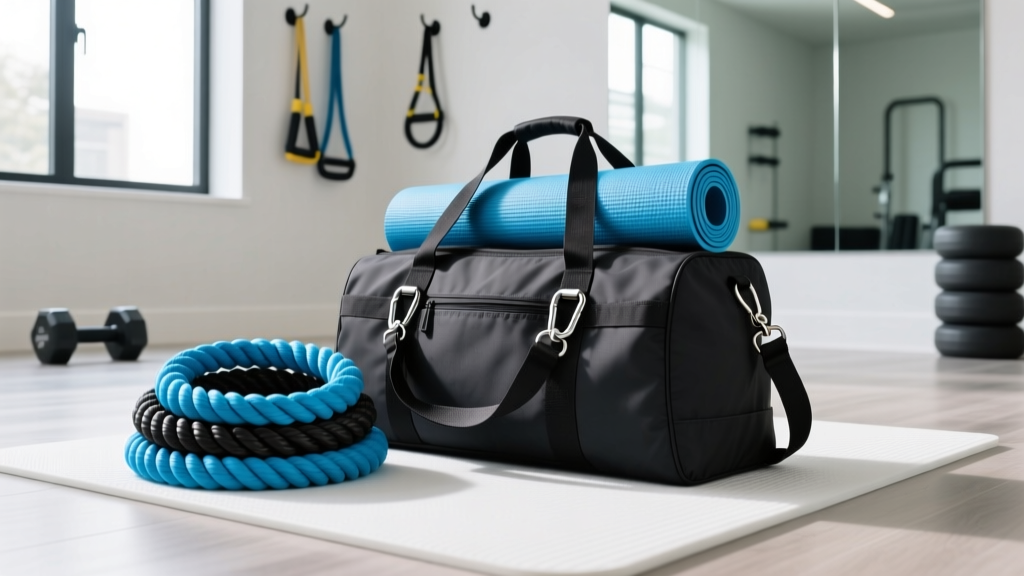
Resistance Band Set Levels & Good Yoga Mat Thickness: Beginner Guide
Master your home gym setup with our beginner guide to resistance band set levels and finding a good yoga mat thickness for joint support and stability.

Building a functional home gym in 2026 doesn't require a massive financial investment or a dedicated spare room. The most effective foundational setup relies on two critical, space-saving components: a versatile resistance band set and a high-quality exercise mat. However, beginners often make costly mistakes by purchasing generic gear that fails to support their biomechanics. According to the Cleveland Clinic, resistance bands are exceptional for joint-friendly strength training, but only if the tension levels match your current fitness baseline. Similarly, selecting the right surface is crucial; finding a good yoga mat thickness ensures you have the stability to anchor bands safely while protecting your joints during floor work.
This step-by-step beginner guide will walk you through decoding resistance band levels, understanding mat density, and synergizing both for a safe, effective workout routine.
Step 1: Decoding Resistance Band Set Levels and Types
Resistance bands are not one-size-fits-all. The market is divided into two primary architectures: tube bands (which feature handles and carabiners) and continuous loop bands (flat or tubular latex loops). For a beginner, a mixed set offers the best versatility.
Understanding Tension Levels
Most brands use a color-coded system to denote tension, though exact poundage varies by manufacturer. Always check the printed specifications on the band itself. Below is the industry-standard tension matrix for 41-inch continuous loop bands and standard tube sets.
| Level | Typical Color | Tension Range | Best Beginner Application |
|---|---|---|---|
| Extra Light | Yellow / Orange | 5 - 15 lbs | Rotator cuff rehab, mobility drills, physical therapy |
| Light | Green | 15 - 30 lbs | High-rep toning, lateral band walks, warm-ups |
| Medium | Red | 30 - 50 lbs | Hypertrophy, bicep curls, seated rows, glute bridges |
| Heavy | Blue / Black | 50 - 120+ lbs | Pull-up assistance, heavy squats, deadlifts |
Step 2: Finding a Good Yoga Mat Thickness for Band Training
When most people shop for a mat, they only think about yoga. But when you introduce resistance bands, your mat becomes your anchor point and stability platform. According to Yoga Journal, mat thickness dictates both comfort and ground feedback. So, what constitutes a good yoga mat thickness for resistance training?
The Thickness Breakdown: Pros and Cons
- Thin (2mm - 3mm): Excellent for balance and ground feel. Con: Offers zero cushioning for kneeling band exercises (like kneeling lat pulldowns) and provides a slippery base if you sweat during heavy band pulls.
- Standard (4mm - 5mm): The sweet spot for hybrid training. It provides enough high-density cushioning to protect your patella during floor work while remaining firm enough that your feet won't sink in during standing band presses. Top Model: Jade Harmony (5mm, natural rubber, ~$80).
- Thick (6mm - 8mm+): Luxurious joint support. Con: If the foam is too soft (like cheap NBR or PVC foam), stepping on a resistance band creates an unstable fulcrum. This can lead to ankle rolls during lateral movements. If you want 6mm, you must invest in high-density materials like the Manduka PRO (6mm, ~$92), which is dense enough to prevent bottoming out under band tension.
'A good yoga mat thickness isn't just about padding; it is about compression resistance. If your mat compresses more than 2mm when you step on a band, you are leaking kinetic energy and risking joint instability.' — FitGearPulse Biomechanics Lab Notes, 2026
Step 3: Synergizing Your Gear for Specific Workflows
Now that you understand band levels and mat density, here is how to pair them for a beginner-friendly full-body routine. The key is to use the mat's friction to your advantage.
Workflow A: Lower Body & Glute Activation
- Setup: Place a Medium (Red, 30-50 lbs) loop band just above your knees.
- Anchor: Stand on your 5mm high-density mat. The natural rubber surface will grip your socks or bare feet, preventing the band from snapping your heels together.
- Execution: Perform 3 sets of 15 lateral band walks. Maintain a half-squat position to keep constant tension on the gluteus medius.
Workflow B: Upper Body Pulling
- Setup: Loop a Light (Green, 15-30 lbs) tube band around a sturdy door anchor at chest height.
- Anchor: Kneel on your mat for seated or kneeling rows. The 5mm thickness will cushion your knees against the hard floor while you pull.
- Execution: Keep your spine neutral, pulling the handles toward your ribcage. Focus on scapular retraction.
Step 4: Safety Protocols and Failure Modes
Resistance bands store immense kinetic energy. A snapped band can cause severe welts or eye injuries. To ensure your home gym remains safe, you must understand the failure modes of your equipment.
⚠️ Critical Safety Warnings:- UV Degradation: Never store natural latex bands in direct sunlight or near a heating vent. UV rays cause oxidation, turning the latex brittle and chalky.
- The 'White Stress' Test: Before every workout, stretch the band slightly and inspect it. If you see tiny white stress marks or micro-tears on the surface, discard the band immediately.
- Anchor Points: Never anchor a band to a sharp metal hinge, a rough wooden post, or furniture that can tip over. Always use a dedicated, padded door anchor.
Step 5: Maintenance for Longevity
To protect your investment in 2026, proper maintenance is non-negotiable.
For Resistance Bands: Wipe them down with a damp cloth and a drop of mild dish soap after heavy sweating. Never use essential oils or chemical solvents, as these break down the molecular bonds in natural latex and TPE. Store them in a dark, climate-controlled drawer.
For Your Yoga Mat: A good yoga mat thickness made of natural rubber (like the Jade or Manduka lines) requires specific care. Avoid mat sprays containing tea tree oil or citrus, which can degrade the rubber's grip over time. Instead, use a 50/50 mix of distilled water and white vinegar in a spray bottle, wiping it clean with a microfiber towel after each session.
Final Thoughts on Building Your Foundation
Starting your fitness journey doesn't require a $2,000 cable machine. By carefully selecting the right resistance band set levels tailored to your current strength, and pairing them with a good yoga mat thickness that balances joint cushioning with kinetic stability, you create a professional-grade training environment in your living room. Take the time to assess your biomechanics, respect the tension limits of your gear, and prioritize safety above all else. Your home gym foundation is set—now it's time to get to work.
More gear to consider
All reviews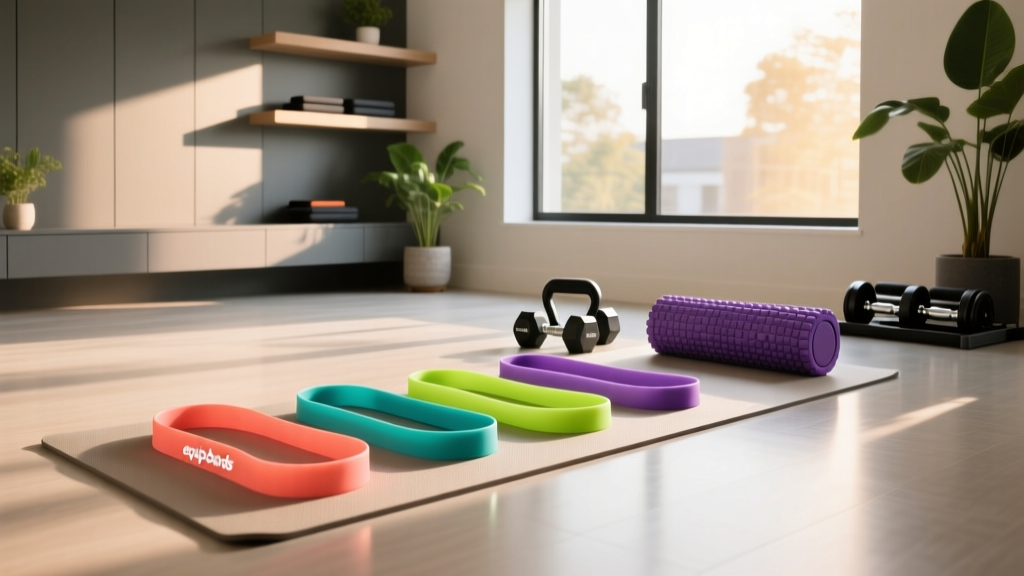
Skip CorePower Yoga Mat Rental Cost: Beginner Resistance Band Guide
Space-Saving Battle Ropes: Best Fitness Accessories for Men

Battle Rope Sizing Guide: Why Free Yoga Mats Fail as Anchor Pads

Costco Yoga Mat Anchoring & Battle Rope Length and Thickness Guide

2026 Pilates Accessory Trends: Market Data & The Light Blue Yoga Mat