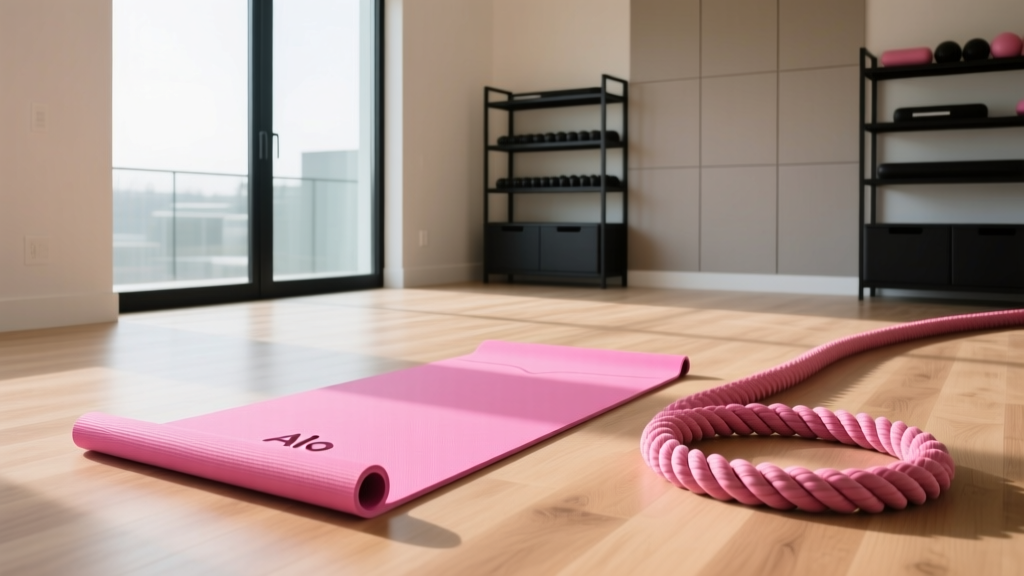
Studio Buyer Guide: Foam Roller Density & Wholesale Yoga Mats
Outfit your fitness studio in 2026. Learn how to select the right foam roller density and size, plus tips on sourcing durable wholesale yoga mats.

Introduction: Outfitting the Modern Recovery & Floor Zone
Designing a functional fitness studio or upgrading an existing gym floor in 2026 requires more than just picking out aesthetically pleasing equipment. For boutique studios, CrossFit boxes, and physical therapy clinics, the recovery and floor gear you provide directly impacts client retention and safety. According to industry reports from the International Health, Racquet & Sportsclub Association (IHRSA), members increasingly expect dedicated, hygienic self-myofascial release (SMR) zones and premium floor protection.
This beginner-friendly, step-by-step guide will walk you through the exact science of foam roller density and size selection. Furthermore, we will cover how to seamlessly pair your recovery tools with high-quality wholesale yoga mats to create a cohesive, durable, and cost-effective studio environment.
💡 Studio Owner Pro-Tip: Never purchase foam rollers without considering the floor surface beneath them. Hard concrete or thin rubber flooring requires clients to use a mat for knee and spine support during rolling sessions. Sourcing your floor gear and recovery tools together optimizes shipping and ensures color/material cohesion.Step 1: Decode Foam Roller Density and Material Science
The most common mistake new studio owners make is buying a bulk pack of generic, ultra-soft foam rollers that flatten out within three months. To make an informed wholesale purchase, you must understand the materials and durometer (hardness) ratings that dictate a roller's lifespan and therapeutic value. The National Academy of Sports Medicine (NASM) categorizes SMR tools by their intended tissue response, which correlates directly to material density.
1. Soft / Low-Density (Polyethylene - PE)
- Feel: Pillowy, highly compressible.
- Best For: Physical therapy clinics, senior fitness centers, and clients with acute pain or neuropathy.
- Durability: Low. PE foam loses its structural integrity and develops permanent divots after roughly 4 to 6 months of high-traffic commercial use.
2. Medium / Standard-Density (Ethylene-Vinyl Acetate - EVA)
- Feel: Firm but forgiving, similar to a dense yoga block.
- Best For: General population gyms, Pilates studios, and group fitness classes.
- Durability: Moderate. EVA withstands daily use for about 12 to 18 months before requiring replacement.
3. Firm / High-Density (Expanded Polypropylene - EPP)
- Feel: Rigid, unyielding, deep-tissue focus.
- Best For: Powerlifting gyms, CrossFit boxes, and athletic performance centers.
- Durability: Exceptional. EPP is virtually indestructible under human body weight and will easily last 3+ years in a commercial setting.
Step 2: Select the Right Dimensions for Your Space
Density is only half the equation; size dictates functionality. When allocating your equipment budget, consider the specific movements your clientele will perform. The American Council on Exercise (ACE) notes that roller length fundamentally changes the biomechanics of spinal extension and lateral sweeps.
| Size Category | Dimensions | Primary Use Case | 2026 Avg. Wholesale Cost |
|---|---|---|---|
| Full-Length | 36' x 6' | Full spine extension, Pilates reformer accessories, bilateral lateral sweeps. | $28 - $45 (EPP) |
| Standard | 24' x 6' | General gym floor use, quads, lats, and mid-back targeting. | $18 - $28 (EVA/EPP) |
| Travel / Targeted | 12' x 4' | IT band isolation, calves, travel, and small corner storage. | $9 - $15 (EVA) |
Step 3: Pairing Recovery Gear with Wholesale Yoga Mats
You cannot safely execute floor-based SMR routines without adequate joint cushioning. This is where sourcing high-quality wholesale yoga mats becomes a critical operational decision for your studio. In 2026, the commercial fitness industry has largely shifted away from porous, open-cell PVC mats due to hygiene concerns, favoring advanced closed-cell polymers.
Material Breakdown for Commercial Mats
- TPE (Thermoplastic Elastomer): The current gold standard for high-traffic studios. TPE is closed-cell (sweat and bacteria cannot penetrate the core), lightweight, and offers excellent grip. When buying wholesale yoga mats in TPE, expect to pay between $14 and $22 per unit at MOQs (Minimum Order Quantities) of 50+.
- Natural Rubber / PU (Polyurethane) Top: Premium, heavy-duty mats ideal for hot yoga or intense floor work. They offer unparalleled grip but require strict sanitization protocols. Wholesale pricing ranges from $45 to $75 per unit.
- NBR (Nitrile Butadiene Rubber): Thick (often 10mm-15mm) and plush. While great for physical therapy and kneeling, NBR is too soft and unstable for standing yoga poses or rigid foam rolling. Use these only in dedicated rehab zones.
'When purchasing wholesale yoga mats for a recovery zone, always mandate a closed-cell surface and a minimum thickness of 5mm. This ensures the mat will not bottom out when a client applies their full body weight through a rigid EPP foam roller onto their kneecaps.' — Studio Design & Ergonomics Best Practices, 2026
Step 4: Evaluate Surface Topography (Smooth vs. Grid)
Once you have selected your density and paired it with the right mat, consider the surface texture of the rollers. Smooth rollers provide uniform pressure, making them ideal for beginners and sensitive areas. Grid or 'trigger point' rollers (featuring varying surface zones) mimic the hands of a massage therapist. However, from a maintenance perspective, smooth EPP rollers are vastly superior for commercial gyms. Grid patterns trap sweat, chalk, and skin cells, requiring intensive scrubbing, whereas smooth rollers can be wiped down with hospital-grade disinfectant wipes in seconds.
Step 5: Calculate Bulk Purchasing and Storage Logistics
Buying in bulk requires strategic spatial planning. A standard 36-inch foam roller takes up significant vertical or horizontal real estate. When negotiating with suppliers for both wholesale yoga mats and foam rollers, consider the following logistical framework:
📦 The Studio Buyer's Checklist
- MOQ Leverage: Bundle your EVA/EPP foam roller order with your TPE wholesale yoga mats to hit higher pricing tiers and reduce overall freight costs.
- Storage Solutions: Budget $150-$300 for wall-mounted acrylic or steel wire racks. Never store foam rollers in direct sunlight or near HVAC vents, as UV and heat can warp EVA foam over time.
- Sanitization Stations: Place alcohol-free, quaternary ammonium wipe dispensers directly adjacent to the mat and roller storage racks to enforce client-led hygiene.
Frequently Asked Questions (FAQ)
Can I use standard wholesale yoga mats for heavy foam rolling?
Yes, provided they are at least 5mm thick and made of high-density TPE. Avoid thin (3mm) travel mats, as the rigid pressure of an EPP foam roller will compress the mat entirely, offering zero joint protection against the floor.
How often should a commercial gym replace its foam rollers?
If you invested in high-density EPP rollers, they may never need replacing unless lost or severely vandalized. If you opted for budget-friendly EVA or PE rollers, expect to replace them every 8 to 14 months as they develop flat spots that render them therapeutically useless.
Are vibrating foam rollers worth the wholesale investment?
For 90% of commercial gyms, no. Vibrating rollers require charging stations, frequent battery replacements, and complex sanitization of electronic seams. Stick to high-density, non-electric EPP rollers for maximum ROI and zero maintenance downtime.
More gear to consider
All reviews
Setup: Gaiam Classic Solid 5mm Yoga Mat & Foam Roller Selection
Pull-Up Assist Band Sizing & Yoga Mat Holder Floor Setups

Resistance Band Levels & Good Yoga Mat Brands: Home Gym Mistakes

Pilates Accessories Guide: How to Make Yoga Mat Cleaner
Loop vs Tube Band Longevity: How Thick Is a Standard Yoga Mat?