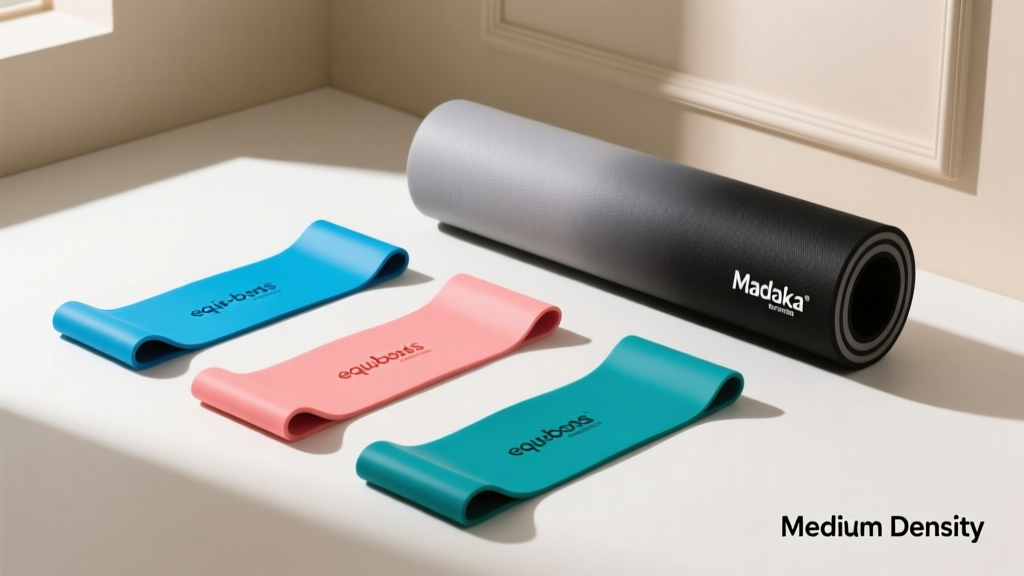
Reebok Yoga Mat Care & The Ultimate Block and Strap Buying Guide
Learn expert maintenance tips for your Reebok yoga mat and discover our comprehensive buying guide for high-density yoga blocks and durable cotton straps.

The Synergy of Mat Care and Prop Selection
A consistent yoga practice relies heavily on the tactile feedback and stability of your equipment. While many practitioners invest in a high-quality foundation like a Reebok yoga mat, the longevity of that mat—and the effectiveness of your practice—depends equally on proper maintenance and the strategic use of props. In 2026, the market is saturated with yoga accessories, but understanding the material science behind your gear is the key to protecting your investment and deepening your asanas.
This guide merges essential maintenance protocols for your Reebok yoga mat with a rigorous, data-driven buying guide for yoga blocks and straps. Whether you are replacing worn-out props or looking to extend the lifespan of your current setup, these evidence-based insights will elevate your practice.
Extending the Life of Your Reebok Yoga Mat
Reebok offers several mat variations, most notably their Professional Series and Premium 6mm models, which typically utilize Thermoplastic Elastomer (TPE) or high-density NBR (Nitrile Butadiene Rubber). Unlike older PVC mats, these modern, eco-friendly materials require specific care to prevent polymer degradation.
⚠️ CRITICAL WARNING: The Essential Oil MythMany popular DIY cleaning recipes suggest adding tea tree or lavender essential oils to mat sprays. Do not use essential oils on TPE or NBR Reebok mats. The lipids in essential oils break down the closed-cell structure of these polymers over time, causing the mat to flake, lose its grip, and deteriorate prematurely.
The Optimal Cleaning Protocol
According to hygiene guidelines highlighted by Yoga Journal, regular cleaning prevents the buildup of sebum and bacteria that degrade mat surfaces. For your Reebok yoga mat, follow this exact formulation:
- Daily Post-Practice Wipe: Use a microfiber cloth lightly dampened with a 50/50 mix of distilled water and witch hazel. Witch hazel is a natural astringent that evaporates quickly without leaving a lipid residue.
- Monthly Deep Clean: Fill a bathtub with lukewarm water (never hot, as heat warps TPE) and add two drops of mild, fragrance-free dish soap. Submerge the mat, gently agitate it with your hands, and rinse thoroughly with cold water. Hang to dry in a shaded, well-ventilated area. Never put your mat in a washing machine or expose it to direct sunlight, as UV rays cause rapid oxidation and brittleness.
The 2026 Yoga Block Buying Framework
Yoga blocks are not merely placeholders for limited flexibility; they are precision tools for biomechanical alignment. When buying blocks to complement your Reebok mat, you must evaluate material density, dimensional accuracy, and maintenance requirements. The industry standard dimension is 4" x 6" x 9", but material composition drastically alters performance.
| Material | Density / Hardness | Weight | Price Range | Maintenance Need |
|---|---|---|---|---|
| Standard EVA Foam | 20-25 kg/m³ | 0.4 lbs | $8 - $12 | Low (Wipe clean) |
| High-Density EVA | 35+ kg/m³ | 0.8 lbs | $15 - $22 | Low (Wipe clean) |
| Natural Cork | Shore A 40-50 | 1.8 - 2.2 lbs | $20 - $35 | Medium (Sanding) |
| Bamboo / Wood | Janka 1300+ | 2.5+ lbs | $25 - $45 | High (Oiling) |
Deep Dive: Selecting the Right Block
For Vinyasa and Travel: High-density EVA foam is superior. Standard foam (under 30 kg/m³) will compress and dent under the weight of your torso during poses like Camel (Ustrasana), compromising your spinal alignment. Look for blocks labeled 'high-density' or 'firm' that resist compression.
For Iyengar and Restorative Yoga: Cork is the undisputed champion. Cork contains suberin, a natural waxy substance that makes it antimicrobial and highly grippy, even when you sweat. However, cork requires specific maintenance: if the surface becomes smooth or stained over time, you can lightly sand it with 220-grit sandpaper to restore its original texture and grip.
Selecting and Caring for Yoga Straps
A yoga strap acts as an extension of your arms, facilitating deeper stretches without compromising joint integrity. As noted in alignment guides by Yoga Journal, the tension placed on a strap requires high tensile strength and reliable hardware.
Hardware: D-Ring vs. Cinch Buckle
- Metal D-Rings: The gold standard for longevity. Two interlocking stainless steel D-rings create a self-locking friction loop that will not slip, even under 150+ lbs of tension. They are heavier but virtually indestructible.
- Plastic Cinch Buckles: Lightweight and easy to adjust with one hand, making them popular for yin yoga. However, under high dynamic tension (like in Natarajasana / Dancer's Pose), plastic cinches can slip or crack over time.
Sizing and Material Specifications
📏 Strap Length Decision Matrix:• 6-Foot Strap: Best for practitioners under 5'4" or for targeted upper-body stretching.
• 8-Foot Strap: The universal standard. Ideal for practitioners between 5'4" and 6'0" for full-body hamstring and shoulder openers.
• 10-Foot Strap: Essential for practitioners over 6'0", or for restorative bindings where the strap must wrap around the mat and the body simultaneously.
Always opt for 100% unbleached cotton with a width of 1.5 inches. Nylon straps, while durable, can cause severe friction burns (rope burn) if they slip through your fingers during a release, and they lack the tactile grip of woven cotton.
Strap Maintenance and Washing
Cotton straps absorb sweat and dead skin cells, which can lead to stiffness and bacterial odor. To wash your cotton strap without damaging the hardware or shrinking the fabric:
- Place the strap inside a mesh laundry bag to prevent the metal D-rings from banging against your washing machine drum.
- Wash on a cold, gentle cycle with a mild, enzyme-free detergent. Hot water will cause the cotton webbing to shrink by up to 10%, altering your measured grip points.
- Air dry flat. Never put a yoga strap in the dryer, as the heat can warp plastic buckles and weaken cotton fibers.
Integrated Prop Maintenance Schedule
To ensure your Reebok yoga mat and accompanying props last for years, implement this structured maintenance timeline:
- After Every Session: Wipe down the Reebok mat with a witch hazel solution. Allow it to air dry completely before rolling it up to prevent mildew.
- Weekly: Wipe down EVA foam blocks and the D-rings of your straps with a damp antibacterial wipe.
- Monthly: Deep clean the mat in the tub. Wash cotton straps in the washing machine.
- Bi-Annually: Inspect cork blocks for smoothing; lightly sand if necessary. Check the stitching on your yoga strap where the fabric folds through the D-ring for any signs of fraying.
Troubleshooting Common Failure Modes
Problem: My Reebok TPE mat is losing its grip and feels slippery.
Diagnosis: You have likely used a commercial cleaner containing petroleum distillates or essential oils, which have degraded the top layer. Solution: Give the mat a deep wash with mild dish soap to strip any residual oils. If the slipperiness persists, the polymer damage is permanent, and it is time to replace the mat.
Problem: My cork block is crumbling at the edges.
Diagnosis: Cork is brittle when subjected to high-impact drops or extreme humidity fluctuations. Solution: Never drop cork blocks on hard floors. If a corner chips, you can use a small amount of non-toxic wood glue mixed with the cork dust to patch the area, clamping it until dry.
Problem: The cotton strap is fraying near the buckle.
Diagnosis: Repeated friction against the metal edge of the D-ring has worn the fibers. Solution: If the fraying is minor, carefully singe the edges with a lighter to seal them (only if the strap has a synthetic blend; for 100% cotton, apply a small drop of clear fabric glue to halt the fray). If the structural integrity is compromised, replace the strap immediately to avoid snapping during a pose.
Final Thoughts on Gear Longevity
Treating your yoga equipment as precision instruments rather than disposable commodities transforms your practice. By adhering to strict, material-specific cleaning protocols for your Reebok yoga mat and investing in high-density, appropriately sized blocks and straps, you ensure that your gear supports your biomechanics safely for years to come. Proper maintenance is not just about hygiene; it is about preserving the physical feedback loop between your body and the mat.
More gear to consider
All reviews
Stability Ball vs BOSU Ball Review: Materials & Yoga Mat Production

When to Recycle Yoga Mat: Material, Thickness & Grip Mistakes

The 2026 Pilates Equipment Accessories Guide: Yoga Mat Bulk Trends

Expert Exercise Ball Size Guide & Best Way to Clean Yoga Mat Gear

Medicine Ball Setup: Weight Selection, Subway Sandwiches and Yoga Mats