
Yoga Block & Strap Buying Guide: Longevity & Manduka Yoga Mat Bag Care
Discover our 2026 yoga block and strap buying guide focused on longevity, plus expert care tips for your Manduka yoga mat bag and accessories.

The Biomechanics of Durability: Why Accessory Longevity Matters
When building a sustainable yoga practice, practitioners often obsess over their mat but treat props as disposable afterthoughts. As of 2026, the shift toward eco-conscious, long-lasting gear has made it clear: a degraded yoga block loses its structural integrity, risking joint strain during weight-bearing poses like Ardha Chandrasana (Half Moon). Similarly, a frayed strap can snap under tension. This comprehensive yoga block and strap buying guide focuses strictly on material longevity, failure modes, and maintenance. Furthermore, we will explore how proper transport—specifically utilizing a well-ventilated Manduka yoga mat bag—is the secret to protecting your investment from UV degradation and mildew.
The Anatomy of a Long-Lasting Yoga Block (Buying Guide)
Not all blocks are created equal. The market is saturated with low-density foam that compresses permanently within months. To maximize longevity, you must evaluate the core density and material porosity. According to Yoga Journal's prop guidelines, the right block should offer unyielding support while providing enough surface friction to prevent slipping when your hands are sweaty.
| Material | Density / Spec | Avg. Price (2026) | Est. Lifespan | Primary Failure Mode |
|---|---|---|---|---|
| EVA Foam | 55D - 65D (High Density) | $12 - $18 | 2 - 4 Years | Surface flaking, permanent edge compression |
| Natural Cork | 110 - 130 kg/m³ | $20 - $28 | 5 - 10 Years | Moisture crumbling, corner chipping |
| Bamboo / Wood | Solid core | $35 - $55 | Lifetime | Surface slipping, splintering (if dropped) |
Expert Buying Recommendation
For most practitioners, high-density cork is the ultimate longevity play. Cork is naturally antimicrobial. A study published in the National Institutes of Health highlights cork's suberin content, which naturally repels mold and bacteria—making it vastly superior to porous EVA foam that traps sweat and degrades over time. If you prefer foam for travel, ensure the product listing explicitly states a density of at least 60D; anything lower will permanently dent under body weight within a year.
Selecting Yoga Straps That Won't Fray or Fail
A yoga strap is only as strong as its weakest point: the stitching at the buckle. When shopping for a strap, ignore the fabric pattern and inspect the hardware and thread.
- The Hardware: Avoid cheap, hollow aluminum D-rings. Look for welded stainless steel or nickel-plated brass D-rings. Stainless steel prevents rust streaks from bleeding onto the cotton fabric during washing, a common failure point in budget straps.
- The Stitching: The strap must feature a bar-tack stitch (a dense, zigzag reinforcement pattern) where the fabric loops through the D-ring. Standard straight stitching will pull through the cotton weave under the tension of poses like Supta Padangusthasana.
- The Fabric: 100% unbleached cotton (like the Manduka Align 8' Strap, ~$24) offers the best grip and longevity. Nylon straps ($10-$15) are slippery and prone to micro-fraying where they rub against the metal D-ring.
Maintenance Protocols: Cleaning Blocks and Straps
Improper cleaning destroys yoga accessories faster than daily use. Follow these precise maintenance protocols to extend the life of your gear.
Cork Block Care
- Never submerge cork in water. Cork is bonded with natural resins; soaking it breaks down the adhesive, causing the block to crumble.
- The Cleaning Solution: Mix 1 part white vinegar with 3 parts distilled water in a spray bottle. Add two drops of tea tree oil for enhanced antifungal properties.
- Application: Lightly mist a microfiber cloth (never spray the block directly) and wipe the surface. Let it air dry completely before storing.
Cotton Strap Washing
Machine washing cotton straps with D-rings is a recipe for disaster—the metal will bang against the drum, damaging both your washing machine and the strap's structural stitching. Instead, hand-wash the strap in a basin with cold water and a mild, pH-neutral detergent. Hang it to air dry. Never put a yoga strap in the dryer; the high heat will shrink the cotton and warp the metal hardware.
Transport & Storage: The Role of Your Manduka Yoga Mat Bag
You can buy the most durable cork block and bar-tacked cotton strap on the market, but if you store them improperly, their lifespan will plummet. Leaving damp cork in a sealed car trunk breeds black mold, while exposing cotton straps and EVA foam blocks to direct sunlight causes UV degradation, leading to fabric brittleness and foam crumbling.
This is where investing in a high-quality carrier, such as a Manduka yoga mat bag, becomes a critical component of your gear's longevity strategy. Models like the Manduka GO Ste-up or the Breathe series are engineered specifically for holistic gear protection.
"The micro-climate inside your gear bag dictates the lifespan of your natural props. Ventilation is non-negotiable for cork and cotton." — FitGearPulse Editorial Team, 2026 Gear Longevity Report
How a Manduka Yoga Mat Bag Protects Your Props
- UV Blocking: The heavy-duty canvas and recycled polyester used in the Manduka yoga mat bag lineup completely blocks UV rays, preventing the sun from bleaching and weakening your cotton straps.
- Ventilated Compartments: Unlike cheap, fully enclosed nylon tubes, premium Manduka bags feature mesh end-caps or ventilated side gussets. This allows residual moisture from your cork blocks to evaporate during transit, preventing mildew.
- Structural Separation: Bags with dedicated external slip pockets (like the GO Ste-up) allow you to slide your yoga block in vertically. This prevents the block's abrasive corners from rubbing against your mat's delicate polyurethane top-layer during your commute.
Troubleshooting Common Accessory Failures
Even with meticulous care, gear experiences wear. Here is how to troubleshoot and salvage your equipment before replacing it.
| Issue | Root Cause | The Fix |
|---|---|---|
| Cork block leaves brown dust on hands | Surface dehydration or minor abrasive wear | Lightly sand the surface with 220-grit sandpaper, then wipe with a damp cloth to restore a smooth, sealed finish. |
| Strap D-ring squeaks or catches fabric | Micro-corrosion or manufacturing burrs on the metal | Rub a tiny amount of natural beeswax along the inner curve of the D-ring to lubricate the fabric glide path. |
| EVA foam block feels 'squishy' on one side | Permanent compression from uneven storage | Rotate the block 90 degrees during practice to redistribute weight. If the foam memory is lost, it must be recycled and replaced. |
Final Thoughts on Sustainable Practice
A mindful yoga practice extends beyond the mat and into the lifecycle of the tools we use. By selecting high-density cork blocks, bar-tacked cotton straps, and utilizing a ventilated Manduka yoga mat bag for transport, you reduce waste and ensure your props remain safe, supportive, and hygienic for years to come. Treat your accessories with the same respect you bring to your practice, and they will support you through every posture.
More gear to consider
All reviews
What to Fold With No Yoga Mat? Medicine Ball Weight Selection Guide

Battle Rope Sizing Guide: Why Free Yoga Mats Fail as Anchor Pads

Battle Rope Length & Thickness Guide + Yoga Mat Bag Sewing Pattern

Elevate Your Yoga Mat Workout: 2026 Material & Grip Comparison
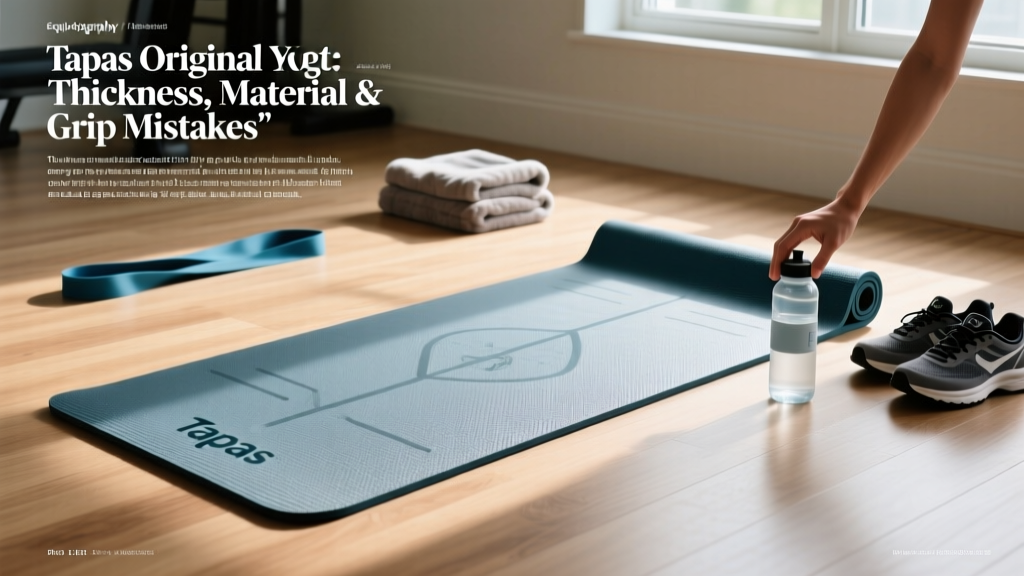
Tapas Original Yoga Mat: Thickness, Material & Grip Mistakes
