Fix Upper Body Exercises with Dumbbells at Home: Neoprene Mistakes
Master upper body exercises with dumbbells at home. Troubleshoot common form mistakes, grip issues, and plateaus specific to neoprene coated weights.

The Material Reality: Why Neoprene Changes Your Biomechanics
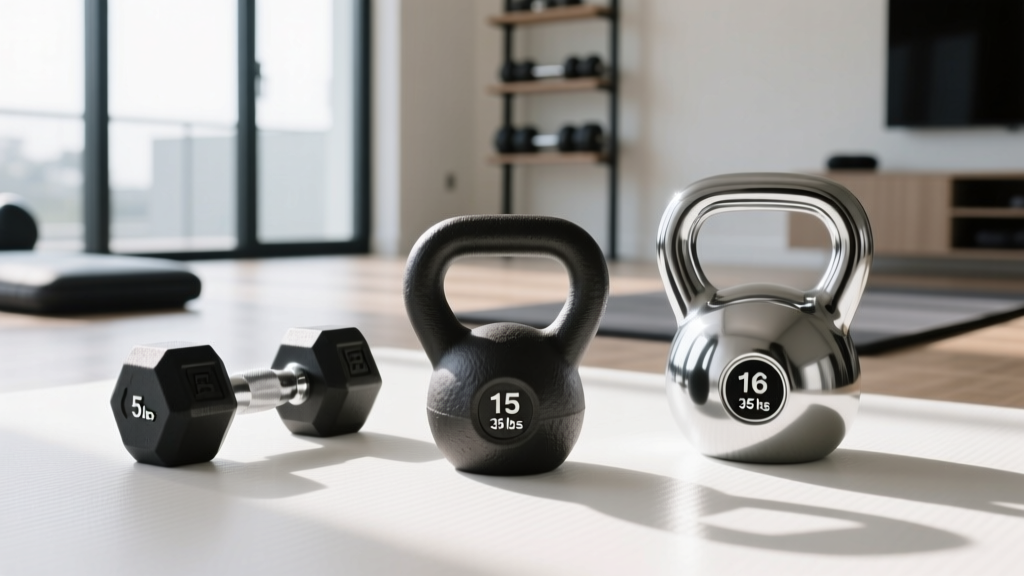
Neoprene-coated dumbbells are the undisputed gateway equipment for home gyms. Brands like Yes4All, CAP Barbell, and Amazon Basics dominate this space, offering fixed-weight hex sets that are floor-friendly, color-coded, and budget-conscious. As of 2026, the average cost of neoprene-coated hex dumbbells hovers between $1.60 and $2.40 per pound, making them an accessible entry point. However, when performing upper body exercises with dumbbells at home, lifters frequently hit a wall. The issue is rarely the exercises themselves; it is a fundamental misunderstanding of how polychloroprene (the synthetic rubber used in neoprene) interacts with human biomechanics, sweat, and progressive overload.
Unlike bare cast iron or high-density urethane, neoprene has a slight compressibility and a distinctly smooth, non-porous finish. It lacks the aggressive knurling required for heavy pulling movements and degrades predictably under UV exposure and acidic sweat. If you are struggling to build muscle or experiencing joint pain during your home upper body routines, the culprit is likely a mismatch between your equipment's material properties and your exercise execution. Below, we troubleshoot the most common mistakes and provide actionable frameworks to fix your home training protocol.
Mistake 1: The 'Max Weight' Plateau on Chest Presses and Flyes
The most common failure mode for home lifters using neoprene sets is the 'max weight plateau.' Most affordable neoprene sets cap out at 20, 25, or 30 lbs per dumbbell. Once you can press these for 12-15 repetitions, many lifters mistakenly believe they have maxed out their chest growth potential because they cannot add more load.
The Troubleshooting Fix: Manipulate Time Under Tension (TUT)
According to extensive research on low-load versus high-load resistance training, muscle hypertrophy can be achieved with light loads provided the sets are taken close to muscular failure. If your 25 lb neoprene dumbbells feel too light for standard chest presses, you must alter the tempo to increase metabolic stress.
- The 4-1-1 Tempo Protocol: Lower the dumbbells over 4 full seconds, pause for 1 second at the bottom stretch (crucial for flyes), and explode up in 1 second. This turns a manageable 25 lb weight into a brutal stimulus for the pectoralis major.
- Pre-Exhaustion Isometrics: Before your pressing sets, perform a 30-second isometric chest squeeze (pressing your palms together as hard as possible). This pre-fatigues the muscle fibers, making the lighter neoprene weights feel significantly heavier during the concentric phase.
- 1.5 Repetitions: Lower the weight fully, come halfway up, go back down, and then complete the full rep. This doubles the time spent in the stretched position, maximizing muscle damage without needing heavier iron.
Mistake 2: Grip Slippage and Shoulder Impingement on Overhead Presses
Neoprene is notorious for becoming slick when exposed to moisture. During high-rep overhead presses or lateral raises, palmar sweat compromises your grip. When your grip slips, your central nervous system involuntarily recruits stabilizing muscles in the rotator cuff and upper traps to prevent the dumbbell from falling. This compensatory mechanism alters your pressing path, often leading to shoulder impingement and stalled deltoid development.
⚠️ Troubleshooting Warning: Never use liquid chalk on neoprene dumbbells if you plan to keep them long-term. The alcohol and magnesium carbonate mixture will dry out the synthetic rubber, causing it to crack, flake, and eventually expose the rusting cast iron core beneath. Instead, use a clean microfiber towel between sets or wear lightweight cotton lifting gloves for overhead movements.Form Correction for Lateral Raises
Because neoprene dumbbells are often limited to 15 or 20 lbs, lifters frequently use a 'hip hinge' swing to generate momentum on lateral raises, completely bypassing the medial deltoid. To troubleshoot this, sit on the floor with your legs extended straight in front of you. Performing seated lateral raises from the floor eliminates the ability to use leg drive or lower-back momentum, forcing the medial deltoid to handle the entire load of the neoprene weight.
Mistake 3: Momentum and Hex-Shape Resting on Back Movements
Neoprene dumbbells are almost universally cast in a hexagonal shape to prevent rolling. While this is great for safety, it introduces a subtle behavioral mistake during bent-over rows and renegade rows: lifters subconsciously use the flat edges to 'rest' the weight against their thighs or the floor between reps, breaking the tension on the latissimus dorsi.
Furthermore, the smooth neoprene coating lacks the tactile feedback of a knurled iron handle. During single-arm dumbbell rows, the absence of knurling means you are likely gripping the handle 20% tighter than necessary just to maintain control. This over-gripping fatigues the brachioradialis and forearms long before the lats reach failure.
The Solution: Use Lifting Straps and Continuous Tension
For pulling movements at home, wrap basic cotton lifting straps around the smooth neoprene handles. This removes the grip limitation, allowing you to focus entirely on scapular retraction and lat contraction. Additionally, adopt a 'hover' technique where the dumbbell stops exactly one inch from the floor at the bottom of a row, maintaining constant mechanical tension on the back musculature.
Material Comparison: Neoprene vs. Urethane vs. Cast Iron
To understand why your upper body exercises with dumbbells at home might be stalling, it helps to compare the physical properties of your equipment against other market standards. The data below, reflecting 2026 market averages and material science benchmarks, illustrates the trade-offs of neoprene.
| Feature | Neoprene Coated | Urethane Coated | Bare Cast Iron |
|---|---|---|---|
| Avg. Cost (per lb) | $1.60 - $2.40 | $3.50 - $5.00 | $1.20 - $1.80 |
| Grip Texture | Smooth / Slick when wet | Matte / Maintains grip | Aggressive Knurling |
| Max Available Weight | Typically 50 lbs | 120+ lbs | 100+ lbs |
| Durability / Failure Mode | Flaking, UV degradation | Extremely high / Rarely fails | Surface rust, floor damage |
| Best For | Beginners, light isolation | Heavy compound, commercial | Heavy pulling, traditionalists |
The 4-Week Troubleshooting Protocol for Stalled Gains
If you are stuck with a pair of 20 lb neoprene dumbbells and your upper body development has flatlined, implement this 4-week troubleshooting framework. This protocol leverages advanced intensity techniques to force adaptation without requiring heavier equipment.
Weeks 1-2: Mechanical Disadvantage Focus
Shift all pressing and rowing movements to angles that reduce your mechanical leverage.
- Archer Push-ups with Dumbbell Holds: Hold the neoprene dumbbells in a push-up position. Lower yourself to the right side while extending the left arm, then push up. The instability of the smooth neoprene handles on the floor will heavily recruit the serratus anterior and core.
- Deficit Reverse Lunges with Overhead Hold: Hold the dumbbells locked out overhead while performing lunges. This forces the upper traps and stabilizers to work isometrically while the lower body moves.
Weeks 3-4: Metabolic Accumulation & BFR
Introduce Blood Flow Restriction (BFR) training for isolation movements. By wrapping BFR bands around the upper arms (biceps/triceps) or upper thighs (if incorporating lower body), you can achieve profound hypertrophy using just 10 to 15 lb neoprene dumbbells. Studies published in the National Library of Medicine confirm that low-load training combined with BFR produces muscle growth comparable to heavy traditional lifting, making it the ultimate troubleshooting tool for home lifters with limited weight ceilings.
Symptom to Solution Matrix
Use this quick-reference matrix to diagnose specific issues you encounter during your home upper body workouts.
| Symptom / Complaint | Root Cause (Neoprene Specific) | Immediate Troubleshooting Fix |
|---|---|---|
| Forearms burning out before lats on rows | Smooth coating forces over-gripping | Use cotton lifting straps; loosen death grip |
| Shoulder pain during overhead presses | Sweat slippage alters bar path | Wipe handles with microfiber; use neutral grip |
| No chest soreness after dumbbell flyes | Weight too light; resting at top | Stop 2 inches short of lockout; use 4s eccentrics |
| Dumbbell coating peeling and flaking | UV exposure or dropping on concrete | Store indoors; drop on rubber mats only |
When to Retire Your Neoprene Set
Neoprene is not a lifetime investment. According to equipment reviews by BarBend, synthetic rubber coatings have a finite lifespan in active home gyms. You must retire or upgrade your neoprene dumbbells if you notice the following failure modes:
- Rust Bleed: If you see brown stains seeping through the seams of the colored coating, moisture has breached the core. This compromises the structural integrity of the cast iron and can stain your flooring.
- Seam Splitting: If the neoprene splits near the handle junction, the dumbbell will become unbalanced and dangerous for overhead movements.
- Sticky Degradation: When polychloroprene breaks down due to heat and chemical exposure (like harsh household cleaners), it turns into a sticky, tar-like substance that is impossible to clean and ruins your grip.
Conclusion: Mastering Your Home Environment
Performing upper body exercises with dumbbells at home does not require a $2,000 commercial rack, but it does require an intimate understanding of your tools. Neoprene dumbbells are excellent for learning motor patterns, performing high-rep metabolic conditioning, and executing isolation movements safely. By troubleshooting your grip, manipulating time under tension, and recognizing the material limitations of synthetic rubber, you can extract years of progressive muscle-building stimulus from a simple, budget-friendly set. Once you consistently max out the advanced protocols outlined above, it will be time to transition to heavy adjustable dumbbells or urethane hex sets—but until then, the neoprene set is all you need to grow.
For more foundational guidelines on safe strength training practices and joint alignment, refer to the Mayo Clinic's comprehensive guide to strength training.
More gear to consider
All reviews
How to Train Back With Dumbbells: Hex vs Urethane Space Guide

Bench Setup: Barbell Collars and the Average Dumbbell Bench Press

Best Adjustable Dumbbells for Dumbbell Workouts for Traps
Rear Delt Fly with Dumbbells: Top Adjustable Sets (2026)

The Bayesian Curl Dumbbell Hack: Space-Saving Loadable Setups