
EZ Curl Bar vs Straight Bar: Is a Hexagonal Dumbbell Better Value?
We break down the budget and biomechanics of the EZ curl bar vs straight bar, and reveal why a hexagonal dumbbell set might be the smarter buy.

The Arm Training Equipment Dilemma: Specialty Bars vs. Free Weights
When outfitting a home gym for arm development, lifters inevitably hit a crossroads: do you invest in a straight bar, an EZ curl bar, or pivot entirely to a hexagonal dumbbell set? While the debate between the EZ curl bar vs straight bar is usually framed around biomechanics, the 2026 fitness equipment market demands a harder look at budget breakdown and long-term value. Specialty bars carry hidden costs—plates, collars, and storage racks—that can quickly derail a tight budget. In this analysis, we dissect the true cost-per-pound, utility, and joint health implications of these three arm-day staples to help you maximize your return on investment.
Biomechanics and Tendon Load: Straight vs. EZ
To understand the value proposition, we first have to look at what you are actually buying in terms of joint health and muscle activation. The traditional straight barbell forces your wrists into full supination (palms facing directly up). While this maximizes the stretch on the short head of the biceps brachii, it places immense valgus stress on the wrists and medial epicondyle. According to biomechanical data cataloged by ExRx, the straight barbell curl locks the radioulnar joint, which can lead to medial epicondylitis (golfer's elbow) in lifters with poor wrist mobility or pre-existing tendon issues.
The EZ curl bar was engineered specifically to solve this problem. Featuring angled knurling—typically set at 45-degree and 30-degree gradients—the EZ bar allows for a semi-supinated grip. This slight wrist pronation shifts a marginal amount of the load to the brachioradialis and brachialis, but more importantly, it aligns the carpal bones in a more natural, stress-free position. The Mayo Clinic frequently notes that repetitive strain in fixed, unnatural joint angles is a primary catalyst for tendinitis, making the EZ bar a safer long-term investment for aging lifters or those with desk-job posture.
Enter the Hexagonal Dumbbell: The Value Disruptor
Here is where the budget analysis shifts. You can spend $350 on an Olympic EZ curl bar and another $150 on bumper plates, or you can invest in a high-quality hexagonal dumbbell pair. Rubber-coated hex dumbbells offer a massive advantage in versatility: they allow for unilateral loading (fixing left-to-right strength imbalances), infinite wrist rotation (from neutral hammer curls to full supination), and zero bar-path restrictions. Furthermore, the hexagonal head prevents rolling, making them safer for floor-based triceps extensions and renegade rows.
Information Gain: The Unilateral Tax
When using a straight or EZ bar, your dominant arm can compensate for up to 15-20% of the load during heavy curls. Hexagonal dumbbells eliminate this 'bilateral deficit' cheat, meaning you can achieve the same hypertrophic stimulus with significantly less total weight, extending the lifespan of your equipment and reducing joint wear.
2026 Budget Breakdown Matrix
Let us look at the hard numbers. The following matrix compares the upfront and hidden costs of building an arm-training arsenal in the current market, assuming a target working weight of 100 lbs.
| Equipment Setup | Upfront Cost (Approx.) | Cost Per Pound | Space Footprint | Versatility Score (1-10) |
|---|---|---|---|---|
| 5ft Standard Straight Bar + 100lbs Plates | $130 - $160 | $1.45 / lb | Medium (Requires 5ft clearance) | 4 |
| Olympic EZ Curl Bar + 100lbs Plates | $380 - $450 | $3.80 / lb | Medium (Requires 4ft clearance) | 7 |
| Pair of 50lb Rubber Hexagonal Dumbbells | $200 - $240 | $2.00 / lb | Low (Fits on a small tier rack) | 9 |
As the data illustrates, while a standard straight bar is the cheapest entry point, it lacks the durability and sleeve rotation of Olympic gear. Upgrading to an Olympic EZ bar provides excellent joint protection but carries a massive premium due to the cost of the bar itself plus the required 2-inch Olympic plates. The hexagonal dumbbell setup sits in the sweet spot: a moderate cost-per-pound, zero need for extra collars or plate storage, and unmatched exercise variety.
Hidden Costs: Storage, Maintenance, and Floor Protection
Budgeting for free weights goes beyond the metal. When you buy a barbell, you must also budget for:
- Collars: Spring collars or lock-jaw collars ($20 - $45).
- Storage: A vertical plate tree or horizontal gun rack ($80 - $150).
- Maintenance: Barbell shaft oiling and knurl brushing to prevent rust.
Conversely, a set of urethane or rubber hex dumbbells requires virtually zero maintenance. You can stack them in a corner or buy a cheap 3-tier A-frame rack for $60. Furthermore, dropped straight bars can bend if the sleeves hit the floor unevenly, whereas cast-iron core hex dumbbells are virtually indestructible under normal home gym conditions.
Real-World Edge Cases: Which Should You Fund?
To finalize your purchasing decision, apply this framework based on your specific training profile:
1. The Powerlifter / Strength Athlete
Verdict: Straight Bar.
If your programming relies on strict, heavy barbell curls to build connective tissue strength for heavy deadlifts and rows, the straight bar is non-negotiable. The bilateral stability allows for maximal overload, despite the wrist strain.
2. The Longevity & Hypertrophy Lifter
Verdict: EZ Curl Bar.
If you are training purely for muscle growth and want to avoid the NSCA-documented risks of repetitive strain injuries, the EZ bar's angled grips are worth the premium. It allows for heavy skull crushers and close-grip presses without destroying your wrists.
3. The Budget Apartment / Garage Gym Lifter
Verdict: Hexagonal Dumbbell Set.
If space is at a premium and you want the highest ROI, skip the bars entirely. A pair of 50lb hex dumbbells allows you to perform hammer curls, concentration curls, triceps kickbacks, and goblet squats. The anti-roll hex design makes them safe for small spaces, and the unilateral loading guarantees balanced development without the hidden costs of barbell accessories.
The Final Verdict on Arm-Day ROI
The EZ curl bar vs straight bar debate will always rage on in commercial gyms, but for the budget-conscious home gym owner in 2026, the math tells a clear story. The straight bar is a cheap but joint-punishing relic; the EZ bar is a premium, joint-friendly luxury. However, the hexagonal dumbbell emerges as the ultimate value disruptor. By eliminating the need for plate racks, collars, and excessive floor space, while simultaneously offering superior biomechanical freedom and unilateral balance, a high-quality hex dumbbell set delivers the highest long-term ROI for your arm training arsenal.
More gear to consider
All reviews
Dumbbell Chest Exercises for Beginners: 2026 Loadable Gear Trends
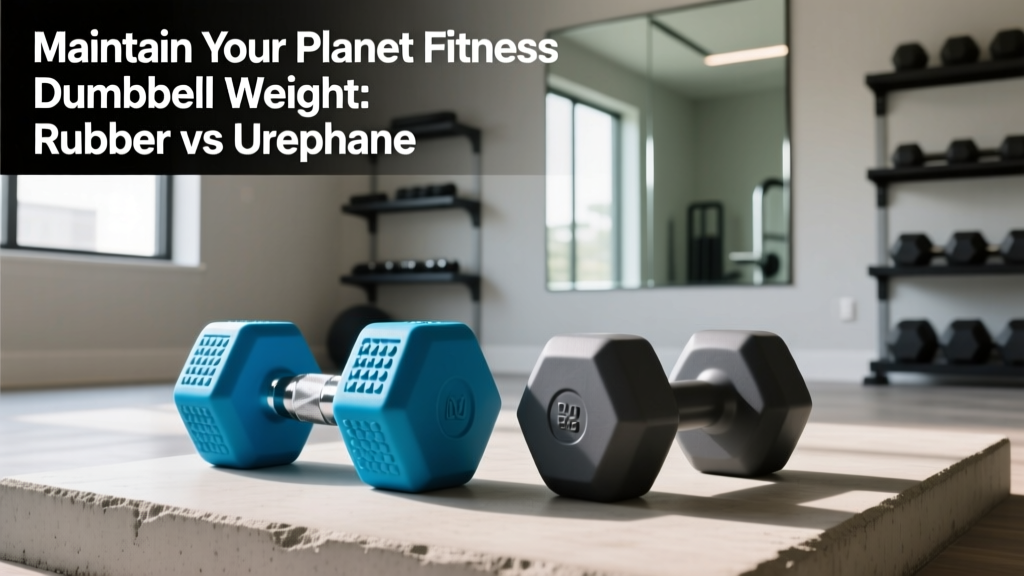
Maintain Your Planet Fitness Dumbbell Weight: Rubber vs Urethane

Power Rack vs Squat Rack vs Stand: Incline Dumbbell Curl Machine Rigs

Dumbbell Shoulder to Overhead: Neoprene Troubleshooting
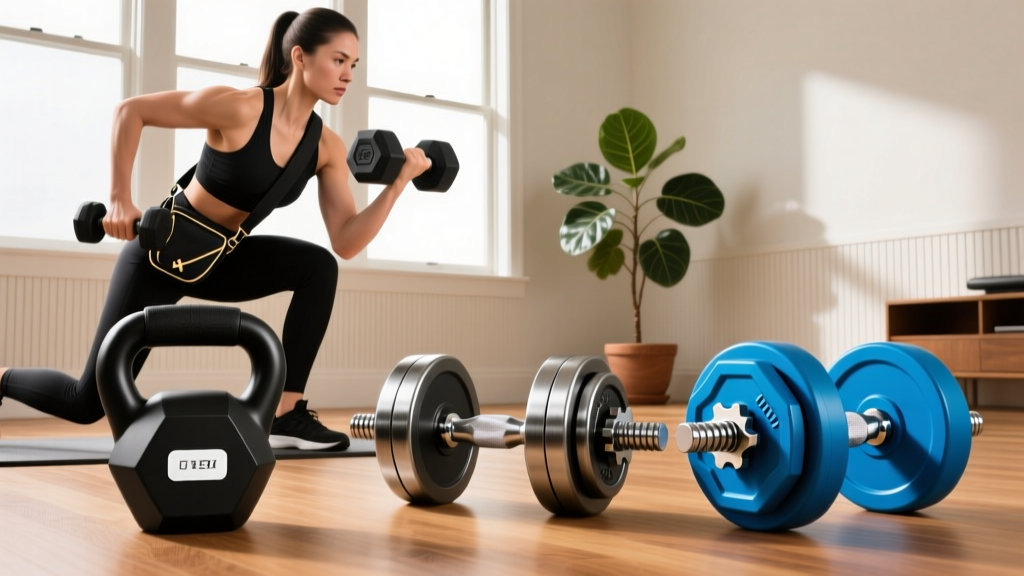
Crossbody Dumbbell Curl Mistakes: Form Troubleshooting & Gear Reviews
