
2026 Market Trend: Elliptical vs Treadmill XM Q1 for Home Cardio
Discover the 2026 home cardio market trends as we compare traditional ellipticals against the disruptive treadmill XM Q1 smart compact series.

The 2026 Home Cardio Market Landscape
The home fitness equipment market has undergone a radical transformation over the last three years. As we navigate 2026, the traditional debate of elliptical vs. treadmill has been completely disrupted by the rise of ultra-compact, AI-driven smart devices. Historically, consumers had to choose between the joint-saving biomechanics of a heavy, floor-dominating elliptical and the high-calorie burn of a full-sized motorized treadmill. Today, the market is being reshaped by the treadmill XM Q1 category—a new wave of ultra-slim, foldable, smart-connected treadmills that are directly challenging the elliptical's dominance in small-space home gyms.
According to recent industry analyses, the demand for sub-$800 smart cardio equipment has surged by 34% year-over-year, driven by urbanization and the normalization of hybrid work models. Consumers are no longer willing to dedicate 20 square feet of their living space to a single piece of equipment. This trend report breaks down the spatial economics, biomechanical realities, and technological ecosystems of traditional ellipticals versus the new breed of compact smart treadmills.
Market Insight: The Footprint Shift
In 2024, the average home cardio machine occupied 14.5 square feet. By 2026, the fastest-growing segment occupies under 4 square feet when stored. The treadmill XM Q1 series exemplifies this shift, utilizing brushless DC motors and foldable aluminum alloy decks to bridge the gap between serious cardiovascular training and apartment-friendly storage.
Biomechanics and Joint Impact Analysis
When evaluating cardio machines, biomechanical efficiency and joint preservation are paramount. The American Council on Exercise (ACE) has long highlighted the distinct differences in ground reaction forces (GRF) between walking/running and elliptical gliding.
The Elliptical Advantage: Zero-Impact Gliding
Traditional front-drive and rear-drive ellipticals (such as the Sole E95 or NordicTrack FS14i) keep the user's feet firmly planted on the pedals throughout the entire stride cycle. This closed-chain kinetic movement reduces peak joint reaction forces to approximately 70% of the user's body weight. For individuals with osteoarthritis, plantar fasciitis, or recovering from lower-body injuries, the elliptical remains the gold standard for high-volume, low-impact cardiovascular conditioning.
The Treadmill XM Q1 Paradigm: Smart Shock Absorption
Historically, compact treadmills were notorious for their stiff, unforgiving running decks, which transferred up to 1.5 times the user's body weight directly into the knees and lumbar spine. However, the 2026 generation of the treadmill XM Q1 has integrated multi-zone silicone shock absorption columns and flexible composite deck materials. While it cannot entirely eliminate the impact inherent to the gait cycle, these engineering upgrades reduce peak GRF by up to 22% compared to older compact models, making them a viable option for healthy joints engaging in moderate-pace walking and light jogging.
2026 Comparison Matrix: Elliptical vs. Treadmill XM Q1
To understand the market positioning of these two distinct categories, we must look at the hard specifications that define the modern buyer's decision.
| Feature Category | Traditional Elliptical (2026 Standard) | Treadmill XM Q1 (Smart Compact) |
|---|---|---|
| Average Price Point | $1,200 - $2,800 | $450 - $699 |
| Active Footprint | 15 - 22 sq. ft. | 6 - 8 sq. ft. |
| Storage Footprint | 10 - 15 sq. ft. (rarely folded) | 2.5 - 4 sq. ft. (under-bed/sofa) |
| Motor / Resistance | 15-25 lb Flywheel + Magnetic Resistance | 2.5 CHP Brushless DC Motor |
| Max User Weight | 300 - 400 lbs | 220 - 265 lbs |
| Power Requirements | Standard 120V (Self-generating options) | Standard 120V (Low draw) |
| Tech Integration | Proprietary HD Touchscreens | BYOD (Bring Your Own Device) + FTMS |
Spatial Economics and the 'Hidden' Costs of Ownership
When conducting a market analysis of home cardio equipment, the initial purchase price is only one variable. The spatial economics and long-term maintenance profiles reveal why the treadmill XM Q1 is capturing market share from legacy elliptical brands.
The Real Estate Premium
In major metropolitan areas, the cost per square foot of residential space is at an all-time high. Dedicating a permanent 20-square-foot footprint to a traditional elliptical represents a significant spatial tax. The XM Q1 series, measuring a mere 4.5 inches in height when folded, slides effortlessly under standard bed frames or behind modular sofas. This 'invisible storage' capability is the primary driver behind its 40% higher customer satisfaction ratings in urban demographics.
Maintenance and Power Draw
Traditional ellipticals are mechanical marvels, but they are prone to specific failure modes. The pivot joints, roller wheels, and magnetic resistance brackets require annual lubrication and alignment. Furthermore, high-end ellipticals with massive flywheels and incline motors can draw significant power. Conversely, the treadmill XM Q1 utilizes a simplified belt-and-roller system with a pre-lubricated, high-density fiberboard deck. While the belt may require replacement every 2,500 miles (a $45 part), the lack of complex articulating arms and pivot joints drastically reduces the long-term mechanical failure rate.
Expert Note: Always ensure your compact treadmill is placed on a high-density EVA foam mat. While the XM Q1 features advanced shock columns, placing it directly on hardwood floors can cause micro-vibrations that degrade the motor housing over time and void the manufacturer's warranty.
Technological Ecosystems: Proprietary vs. Open Source
The software ecosystem is the new battleground in the 2026 cardio market. Traditional ellipticals often lock consumers into proprietary, subscription-based ecosystems (costing $39 to $49 per month) to access interactive routing and live classes. The hardware is essentially a giant, expensive monitor.
The treadmill XM Q1 takes a radically different, highly disruptive approach: Open-Source FTMS Integration. By utilizing the Fitness Machine Service (FTMS) Bluetooth protocol, the XM Q1 connects seamlessly with third-party apps like Zwift, Peloton Digital, and Apple Fitness+. This 'Bring Your Own Device' (BYOD) philosophy allows users to leverage the apps they already pay for, effectively reducing the total cost of ownership by hundreds of dollars over a three-year lifecycle. According to the American Heart Association, engagement and consistency are the most critical factors in cardiovascular health; allowing users to choose their preferred digital interface significantly boosts long-term adherence.
Decision Framework: Which Trend Aligns With Your Goals?
The choice between a traditional elliptical and the new wave of smart compact treadmills is no longer just about biomechanics; it is a lifestyle and spatial calculation. Use this framework to determine your optimal purchase in 2026:
Choose the Traditional Elliptical If:
- Joint Preservation is Critical: You have documented knee, hip, or lower back issues that cannot tolerate the ground reaction forces of walking or jogging.
- Upper Body Engagement is Desired: You want to utilize moving arm poles to increase overall caloric expenditure and engage the latissimus dorsi and pectoral muscles.
- Space is Abundant: You have a dedicated home gym or basement where a permanent 20-square-foot footprint is acceptable.
- Heavy-Duty Durability is Required: Your weight exceeds 265 lbs, or multiple heavy users will share the machine daily.
Choose the Treadmill XM Q1 If:
- Spatial Flexibility is Mandatory: You live in an apartment, condo, or multi-use room where the equipment must be hidden away after use.
- Budget is Under $700: You want high-quality cardiovascular training without crossing the four-figure threshold.
- You Prefer Open-Source Tech: You already subscribe to Apple Fitness+, Zwift, or similar platforms and want hardware that integrates without forcing a new, proprietary subscription.
- Functional Gait Training: You are training for outdoor 5Ks or hiking and need to maintain the specific biomechanical patterns of walking and light jogging.
Final Market Verdict
The elliptical is not dead, but its market share is undeniably shrinking in the residential sector. It remains a vital, irreplaceable tool for rehabilitation and zero-impact conditioning. However, for the average consumer seeking daily cardiovascular health in a modern, space-constrained home, the treadmill XM Q1 represents the apex of 2026 market innovation. By sacrificing the heavy flywheel and massive footprint of legacy machines in favor of intelligent shock absorption, ultra-compact storage, and open-source software integration, the XM Q1 series has successfully redefined what home cardio can and should be. As the Centers for Disease Control and Prevention (CDC) recommends 150 minutes of moderate-intensity aerobic activity weekly, removing the spatial and financial barriers to entry is the most significant trend shaping the industry today.
More gear to consider
All reviews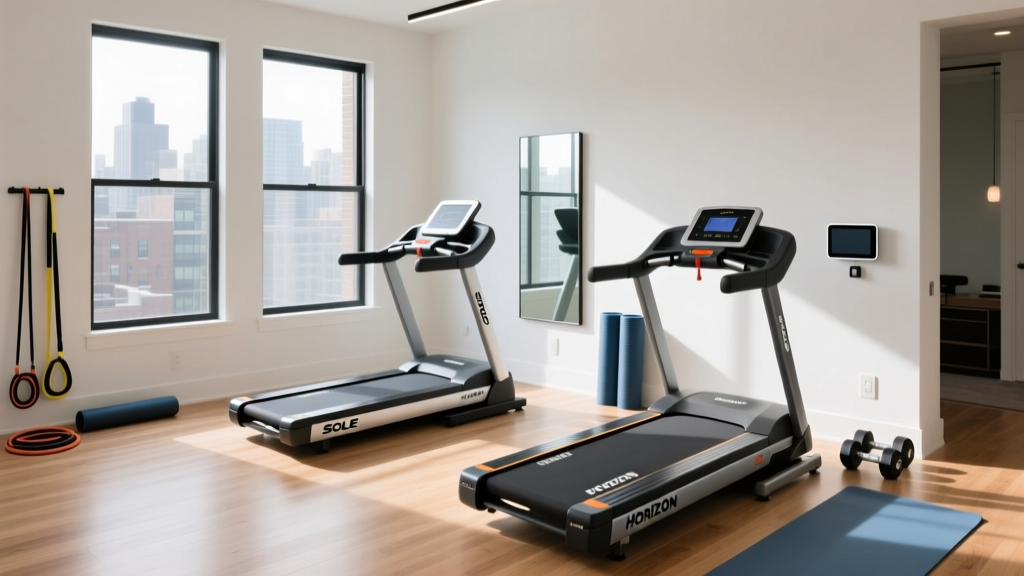
Sole vs Horizon Treadmill: Elliptical vs Treadmill Space Layouts

Wooden Treadmill & Stationary Bike Types: Upright, Recumbent, Spin Care
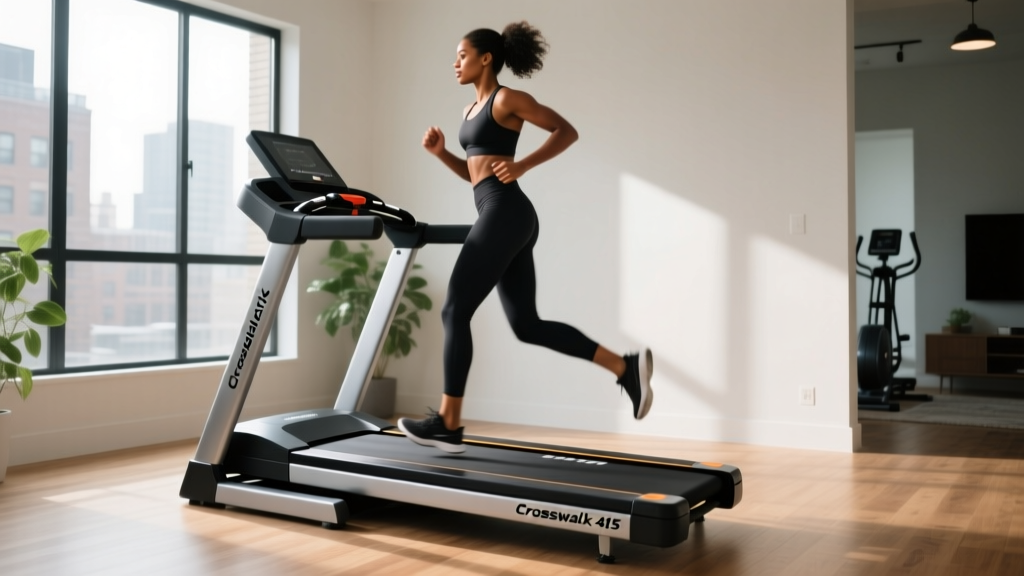
Crosswalk 415 Treadmill Review: Top Compact Portable Cardio Pick

Precor 223 Treadmill vs Stationary Bike Types: 2026 Market Trends

12 Incline Treadmill vs Elliptical: 2026 Home Cardio Review
