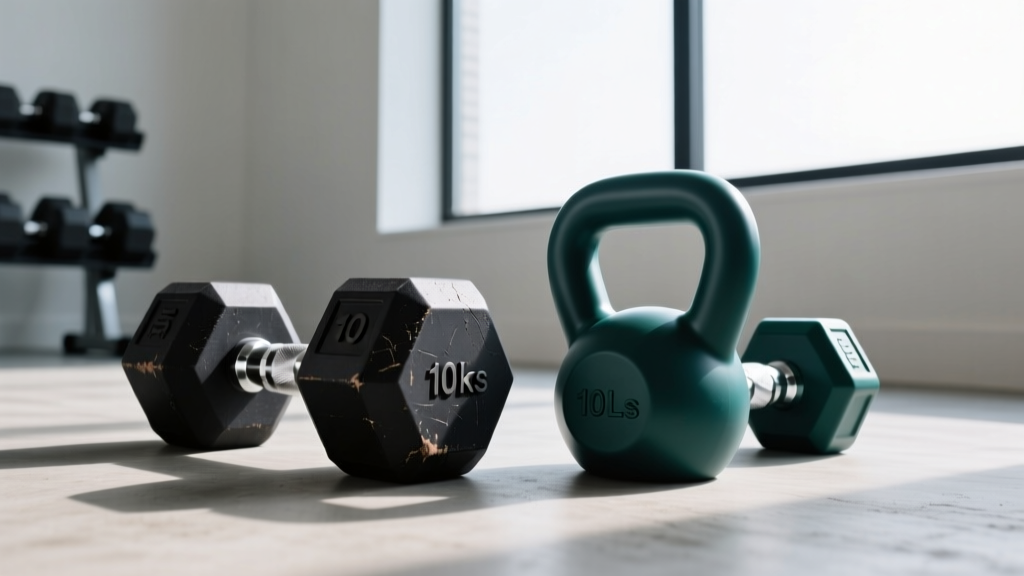
Dumbbell Y Raises: Rubber Hex vs Urethane Maintenance Guide
Learn how to maintain rubber hex and urethane dumbbells for high-rep exercises like dumbbell Y raises. Compare longevity, sweat resistance, and care.

The Hidden Toll of Shoulder Isolation Work on Your Equipment
When building bulletproof shoulders, the dumbbell Y raise is a staple movement. Performed on an incline bench or standing, this exercise targets the lower trapezius and rear deltoids, requiring high repetitions and a firm, sustained grip. However, from an equipment longevity standpoint, high-rep isolation movements are surprisingly destructive. The combination of acidic sweat transfer, micro-drops onto bench pads, and the constant friction of re-racking takes a severe toll on dumbbell coatings.
If you are outfitting a home gym or commercial facility in 2026, the debate between rubber hex dumbbells and urethane dumbbells is ultimately a conversation about maintenance overhead. While budget-friendly rubber hex dumbbells (typically priced between $1.50 and $2.50 per pound) seem appealing upfront, their degradation rate under heavy use often negates the initial savings. Urethane dumbbells, commanding $4.50 to $6.00 per pound, offer a vastly superior lifespan. In this guide, we break down the material science, failure modes, and exact maintenance protocols required to keep your dumbbells pristine through thousands of sets of Y raises and other high-volume accessory work.
Material Science: Why Sweat Destroys Cheap Rubber
Human sweat is not just water; it is a complex saline solution with a pH ranging from 4.0 to 6.0, containing urea, ammonia, and lactic acid. When you perform dumbbell Y raises, your forearms fatigue, causing you to grip the dumbbell handles tighter. This increases the surface area contact between your palms and the dumbbell heads as you adjust your grip, transferring highly acidic sweat directly onto the coating.
⚠️ The Dry Rot Warning: Never use bleach, Lysol, or ammonia-based glass cleaners on rubber hex dumbbells. These harsh chemicals strip the synthetic oils from the SBR (Styrene-Butadiene Rubber) matrix, accelerating dry rot and causing the hex edges to crumble within months.According to comprehensive coating comparisons by Garage Gym Reviews, standard virgin rubber and recycled rubber blends are inherently porous. Over time, sweat and skin oils seep into these microscopic pores, leading to a permanent, sour odor and a slick, degraded surface. Urethane (polyurethane elastomer), conversely, is a non-porous, closed-cell material. It repels moisture entirely, meaning sweat simply sits on the surface where it can be easily wiped away without compromising the structural integrity of the weight.
Comparison Matrix: Rubber Hex vs. Urethane Longevity
Understanding the physical limitations of each material is crucial for setting up a realistic maintenance schedule. The table below outlines how each dumbbell type responds to the rigors of daily training.
| Feature | Rubber Hex Dumbbells | Urethane Dumbbells |
|---|---|---|
| Base Material | SBR / Recycled Rubber Blend | Polyurethane Elastomer |
| Sweat & Acid Resistance | Low (Absorbs moisture, degrades) | Exceptional (Non-porous, repels) |
| UV Stability | Poor (Fades and cracks in sunlight) | High (Resists UV degradation) |
| Impact Resistance (Drops) | Moderate (Hex corners prone to splitting) | Superior (Absorbs shock, bounces less) |
| Estimated Lifespan (Heavy Use) | 2 to 4 Years | 10+ Years |
| 2026 Avg. Cost Per Pound | $1.50 - $2.50 | $4.50 - $6.00 |
Step-by-Step Maintenance Protocol for High-Rep Accessory Work
Whether you are using CAP Barbell rubber hex sets or premium Rogue Urethane Dumbbells, a disciplined post-workout maintenance routine is non-negotiable. Follow this protocol specifically after high-sweat sessions involving movements like dumbbell Y raises, lateral raises, and tricep extensions.
1. Neutralizing Acidic Sweat Post-Workout
Never put dumbbells back on the rack while wet. For urethane dumbbells, a simple wipe-down with a microfiber cloth dampened with a 50/50 mix of distilled water and white vinegar is sufficient to neutralize sweat acids without damaging the finish. For rubber hex dumbbells, avoid vinegar as it can dry out the rubber over time. Instead, use a dedicated, pH-neutral gym equipment wipe or a cloth lightly sprayed with a mild, unscented dish soap solution (one drop of soap per 16oz of water). Wipe the dumbbell down, then immediately dry it with a separate, clean towel to prevent moisture from seeping into the handle junction.
2. Knurling and Handle Preservation
The handle is the most critical point of failure. During Y raises, grip fatigue often leads to the dumbbell slipping and the chrome handle scraping against the metal uprights of a rack.
- Chrome Handles: Once a month, apply a light coat of 3-in-One oil or mineral oil to the knurling. Let it sit for 10 minutes to displace trapped moisture and dead skin cells, then scrub gently with a nylon bristle brush and wipe dry. Never use WD-40, as it attracts dust and creates a slippery hazard for future workouts.
- Cerakote / Hard Chrome: Premium urethane dumbbells often feature Cerakote or hardened chrome handles. These require less oiling but should be wiped down after every single session to prevent the corrosive salts in sweat from pitting the finish.
3. Inspecting the Hex Edge and Head Junction
Rubber hex dumbbells suffer from a specific failure mode: the 'hex edge split.' Because the rubber is molded around a cast iron core, repeated micro-impacts (like setting the weights down on an incline bench pad during Y raises) cause the rubber at the sharp vertices to pull away from the iron. Inspect the corners monthly. If you see the rubber lifting, apply a small amount of flexible, black polyurethane adhesive (like Gorilla Glue Polyurethane) under the flap, clamp it for 24 hours, and wipe away the excess. Urethane dumbbells rarely suffer from this due to their superior molecular bonding to the steel core and rounded edge designs.
Expert Insight: 'The biggest mistake gym owners make is storing dumbbells on the floor or in direct sunlight near a window. UV rays will turn a $300 set of rubber hex dumbbells into a chalky, crumbling mess in under two years. Always use a tiered rack and keep them in a climate-controlled environment.' — Facility Maintenance Guidelines, Rep Fitness Blog.
When to Upgrade: Signs Your Dumbbells Are Failing
Maintenance can only delay the inevitable. If you are running a busy garage gym or commercial studio, knowing when to retire a set of dumbbells is crucial for client safety and equipment aesthetics. Retire your rubber hex dumbbells if you notice:
- Visible Iron Core Exposure: Once the cast iron is exposed, it will rust rapidly, staining your benches and floors.
- Permanent Slickness: If the rubber feels greasy even after a thorough cleaning, the polymers are breaking down and leaching oils. This is a massive slip hazard during overhead movements.
- Loose Heads: If the dumbbell head wiggles or clicks when shaken, the internal friction weld or bolt has failed. This is highly dangerous during dynamic movements.
Urethane dumbbells generally only need replacing if they have been subjected to extreme abuse, such as repeated drops from overhead onto bare concrete, which can crack the polyurethane or bend the steel handle shaft.
Frequently Asked Questions (FAQ)
Can I use disinfectant wipes on my urethane dumbbells?
Yes, but with caution. Standard household disinfectant wipes often contain alcohol or quaternary ammonium compounds. While high-grade urethane can withstand occasional wiping with these chemicals, daily use will eventually cause the surface to lose its matte finish and become chalky. Stick to pH-neutral cleaners or dedicated gym equipment wipes for daily maintenance.
Why do my rubber dumbbells smell worse after I clean them?
If you are using water-heavy cleaners and not drying the dumbbells thoroughly, moisture becomes trapped in the porous rubber and the microscopic gaps between the handle and the head. This creates a breeding ground for bacteria and mold, which feeds on the dead skin cells and sweat salts trapped in the pores, resulting in a worse odor. Always dry rubber weights immediately.
Are hex-shaped urethane dumbbells better for Y raises than round ones?
Hex-shaped urethane dumbbells are generally preferred for any exercise where the weight might be rested on a bench or the floor, as they won't roll away. However, for the dumbbell Y raise specifically, the shape of the head matters less than the handle knurling and the grip security, since the weights are held in the air for the duration of the set. The primary advantage of urethane here is the sweat resistance and the lack of bounce if you accidentally drop them onto a rubber mat.
More gear to consider
All reviews
GP Dumbbells & Barbell Collar Clamp Types Compared

Squats with Dumbbells for Glutes: A Neoprene Home Guide
Beyond Dumbbell Curls Women Use: Olympic Barbell Weight & Knurling
Standing Dumbbell Kickbacks: Power Rack vs Squat Rack vs Stand

Barbell Collars Compared: Safety for Close Grip Dumbbell Bench Press