
Loadable Dumbbell Maintenance: Preventing Dumbbell Wrist Strain
Discover how loadable dumbbell maintenance prevents dumbbell wrist strain. Expert care tips, plate calibration, and locking mechanism longevity guides.

The Hidden Link Between Gear Degradation and Dumbbell Wrist Pain
When lifters experience sharp or aching dumbbell wrist pain during presses, curls, or lateral raises, the immediate assumption is often poor form or inadequate mobility. However, as we navigate the fitness equipment landscape in 2026, a largely overlooked culprit has emerged: poorly maintained loadable dumbbells. Unlike fixed-weight rubber or urethane dumbbells, loadable dumbbells with interchangeable plates rely on mechanical locking systems, threaded sleeves, and balanced plate distribution. When these components degrade, they introduce micro-oscillations and asymmetrical torque directly into the radiocarpal joint.
According to clinical data on weightlifting biomechanics, repetitive micro-trauma from unstable loads is a primary driver of wrist tendonitis and Triangular Fibrocartilage Complex (TFCC) irritation. The Cleveland Clinic notes that stabilizing muscles in the forearm and wrist are highly susceptible to strain when forced to compensate for shifting centers of mass. If your spin-lock collars are stripped, or your interchangeable plates are uncalibrated, your wrist stabilizers are working overtime to prevent the dumbbell from rotating mid-rep. This guide details the exact maintenance protocols required to protect your dumbbell wrist health and extend the lifespan of your plate-loaded gear.
Anatomy of a Loadable Dumbbell: Where Wear Happens
To understand how equipment failure translates to joint strain, we must break down the architecture of a standard loadable dumbbell handle (such as the Rogue Loadable Dumbbell Handles or York Fitness Legacy series). There are three critical failure points that directly impact wrist stability:
- The Sleeve-to-Handle Weld: Over years of heavy drops or aggressive knurling cleanings, the junction where the sleeve meets the grip can develop micro-fractures. This creates a subtle 'wobble' that transfers shear force to the wrist during the eccentric phase of a lift.
- Thread Pitch Degradation: On standard 1-inch spin-lock dumbbells, the threaded sleeve and the internal collar threads are subject to metal-on-metal friction. Without proper lubrication, the threads strip or cross-thread, preventing the collar from seating flush against the plate.
- Bushing and Sleeve Tolerances: Olympic-style loadable handles (2-inch sleeves) often use bronze or composite bushings. If chalk, dust, and iron oxide infiltrate the sleeve gap, the plates will grind and stick, causing uneven weight distribution.
The 2026 Maintenance Protocol for Interchangeable Plates
Maintaining your loadable dumbbells is not just about preventing rust; it is about preserving the precise mechanical tolerances that keep the weight centered in your palm. Follow this step-by-step protocol to eliminate gear-induced dumbbell wrist strain.
Step 1: Knurling and Sleeve Rehabilitation
Chalk and dead skin pack into the knurling, reducing grip security and forcing you to squeeze harder, which directly compresses the carpal tunnel. Furthermore, oxidized sleeves increase friction against the plate holes.
- Brush the Knurling: Use a stiff brass wire brush (never steel, which will strip zinc or black oxide coatings). Brush in a circular motion to lift embedded chalk.
- Wipe Down: Use a microfiber cloth lightly dampened with a 50/50 mix of isopropyl alcohol and water to dissolve oils and sweat.
- Lubricate the Sleeves: Apply 2-3 drops of PTFE Dry Lube (such as 3-IN-ONE PTFE) to a cloth and wipe the smooth portion of the sleeve. This allows plates to slide on and off smoothly without attracting dust.
Step 2: Thread and Collar Care (Spin-Lock Systems)
For standard 1-inch threaded handles, thread maintenance is the single most important factor in preventing plates from shifting mid-set.
- Inspect the threads for 'burrs' or flattened peaks. If found, use a small triangular file to gently realign the damaged thread.
- Apply a thin layer of white lithium grease or a dedicated anti-seize compound to the sleeve threads. This ensures the collar can be tightened to maximum torque without binding, locking the plates rigidly in place.
Step 3: Plate Calibration and Mapping
Cast iron and rubber-grip interchangeable plates are notorious for weight discrepancies. A 25 lb plate might actually weigh 23.8 lbs, while its partner weighs 25.4 lbs. When loaded onto a 15-inch lever arm, this 1.6 lb discrepancy creates a rotational torque that your dumbbell wrist must fight against during every repetition. Equipment maintenance experts at BarBend emphasize that balancing your load is critical for joint longevity.
- Purchase a cheap digital luggage scale.
- Weigh every individual plate and use a paint pen to write the exact weight on the rim.
- Pair plates of identical actual weights together for your working sets to ensure perfect bilateral symmetry.
Maintenance Schedule & Cost Breakdown
Consistency is key. Below is a structured maintenance matrix designed for home gym owners utilizing loadable dumbbell systems.
| Maintenance Task | Frequency | Tools Required | Est. Cost | Wrist Impact |
|---|---|---|---|---|
| Knurling Deep Clean | Weekly | Brass Brush, Alcohol | $12 | Reduces grip fatigue & carpal compression |
| Sleeve Lubrication | Monthly | PTFE Dry Lube | $8 | Prevents plate sticking & uneven loading |
| Thread Greasing | Quarterly | White Lithium Grease | $10 | Ensures flush collar seating, stops micro-shifts |
| Plate Calibration | Annually | Digital Scale, Paint Pen | $15 | Eliminates rotational torque on the TFCC |
When to Retire Your Loadable Dumbbells
No amount of maintenance can save a structurally compromised dumbbell handle. Continuing to use damaged gear is a fast track to chronic dumbbell wrist injuries. Inspect your handles for the following terminal failure modes:
- Bent Sleeves: Roll the bare handle across a flat glass table or granite countertop. If the sleeve wobbles or fails to make continuous contact with the surface, the steel has yielded. A bent sleeve guarantees that plates will sit at an angle, creating a permanent off-center load.
- Stripped Collar Threads: If you can tighten the spin-lock collar by hand more than two full rotations after it makes contact with the plate, the threads are stripped. The collar will back off during dynamic movements like dumbbell snatches or walking lunges.
- Cracked Welds: Look closely at the base of the sleeve where it meets the knurled handle. Any visible hairline cracks or rust weeping from the joint indicates internal structural failure. Discard immediately.
Expert Troubleshooting FAQ
Q: Why does my left wrist hurt during dumbbell bench press, but my right wrist feels fine?
A: This is a classic symptom of asymmetrical gear wear or uncalibrated plates. First, swap the dumbbell handles and plates left-to-right. If the pain follows the equipment, you have a stripped thread or an unbalanced plate on that specific side. If the pain stays in the left wrist regardless of the equipment, the issue is likely biomechanical (e.g., ulnar deviation or a TFCC sprain) and requires a physical therapy evaluation.
Q: Do quick-lock systems (like Ironmaster) require less wrist-strain maintenance than spin-locks?
A: Mechanically, yes. Systems like the Ironmaster Quick-Lock V2 use a solid steel screw-and-pin mechanism that eliminates the thread-degradation issues of cheap spin-locks. However, you must still clean the internal threading of the quick-lock screw and ensure the locking pin is free of debris. A partially seated quick-lock pin will allow the plate stack to rattle, creating high-frequency vibrations that aggravate wrist tendons.
Q: Can using wrist wraps fix the pain caused by poorly maintained loadable dumbbells?
A: Wrist wraps provide external compression and limit extension, which can temporarily mask the pain of a shifting load. However, they do not fix the underlying rotational torque caused by uncalibrated plates or loose collars. Relying on wraps while using degraded gear will eventually lead to compensatory injuries in the elbow or shoulder. Fix the gear first; use wraps for heavy overload second.
Final Thoughts on Longevity and Joint Health
Your loadable dumbbells are an investment in your physical development, but they are also mechanical tools that require respect. By implementing a rigorous maintenance routine—focusing on thread lubrication, sleeve cleaning, and precise plate calibration—you do more than just prevent rust. You actively eliminate the hidden micro-oscillations and asymmetrical torques that cause debilitating dumbbell wrist strain. Treat your gear with the same precision you apply to your training program, and your joints will reward you with decades of pain-free lifting.
More gear to consider
All reviews
Beyond Lifting Dumbbell Routines: EZ Curl Bar vs Straight Bar

How to Work Out Back With Dumbbells: Loadable Budget Guide

Barbell Collars Compared: Beyond Seated Good Mornings with Dumbbells
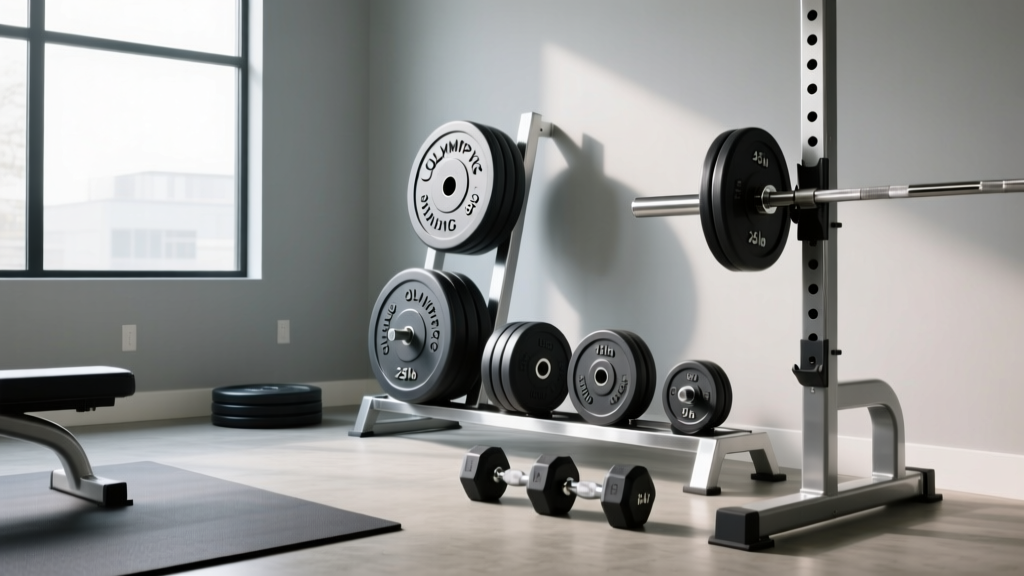
Olympic vs Standard Plates: Setup & Dumbbell Supinated Curl Guide

Best Neoprene Dumbbells for Push Exercises With Dumbbells (2026)
