
Barbell Collar Comparison: Fixing Dumbbell Set Walmart Mistakes
Troubleshoot common collar and clamp mistakes with a budget dumbbell set Walmart haul. Compare spinlock nuts, spring clips, and pro Olympic clamps.

The Hidden Bottleneck in Your Budget Home Gym
Purchasing a cast-iron dumbbell set walmart shoppers gravitate toward—such as the ubiquitous CAP Barbell 110 lb or Yes4All 200 lb spinlock sets—is a time-honored rite of passage for home gym builders. These kits offer undeniable value, providing adjustable 1-inch standard bars and cast-iron plates at a fraction of the cost of premium urethane dumbbells. However, as you progress from beginner curls to heavy floor presses and makeshift barbell rows, a critical failure point emerges: the collars and clamps.
The included 1-inch star-lock nuts and cheap spring clips are notorious for wasting time, stripping threads, and compromising safety. According to equipment safety guidelines outlined by BarBend's comprehensive guide to barbell collars, inadequate clamping force is a leading cause of asymmetric plate loading, which can result in catastrophic barbell tipping during unilateral movements. In 2026, with home gym training more advanced than ever, relying on 1990s-era spinlock technology is a mistake that limits your strength potential and endangers your joints.
⚠️ Troubleshooting Alert: If your 1-inch standard plates are rattling loudly during eccentric movements, or if you spend more than 15 seconds changing weights between superset intervals, your collar system is actively degrading your workout density and increasing the risk of carpal tunnel strain from repetitive gripping.Barbell Collar & Clamp Types: A Comparison Matrix
To troubleshoot your setup, you must first understand the mechanical differences between the collar types available for both 1-inch standard bars (common in budget sets) and 2-inch Olympic bars (the eventual upgrade path). Below is a data-driven comparison of the most common clamping mechanisms.
| Collar / Clamp Type | Bar Compatibility | Clamping Force | Avg. Price (2026) | Best Use Case |
|---|---|---|---|---|
| Spinlock Star Nuts | 1" Standard (Threaded) | Variable (User Grip) | Included / $12 | Light isolation, static holds |
| Standard Spring Clips | 1" Standard (Smooth) | < 15 lbs | $8 - $12 / pair | Lightweight warm-ups only |
| Lock-Jaw Pro (Olympic) | 2" Olympic | ~ 65 lbs | $32 / pair | General lifting, CrossFit |
| Rogue HG-2 Aluminum | 2" Olympic | ~ 80 lbs | $35 / pair | Heavy barbell rows, drops |
| OSO Pro Barbell Collars | 2" Olympic | 120+ lbs | $75 / pair | Olympic lifts, heavy eccentrics |
As noted in Garage Gym Reviews' extensive testing on clamping force, the gap between a cheap spring clip (under 15 lbs of lateral resistance) and a purpose-built clamp like the OSO Pro (over 120 lbs) is staggering. When you buy a budget set, you are operating at the very bottom of this spectrum.
Troubleshooting 3 Fatal Mistakes with Budget Sets
Mistake 1: Cross-Threading and Stripping Zinc Coatings
The most common error when using a dumbbell set walmart haul is over-tightening the star-lock nuts. The threads on budget 1-inch handles are typically cut from low-tolerance steel and coated in a thin layer of zinc. When users forcefully crank the nut down to stop cast-iron plates from shifting during heavy dumbbell floor presses, the coarse threads grind against each other. This strips the zinc coating, creating metal shavings that embed in your palms, and eventually cross-threads the bar, rendering the handle useless. The Fix: Never use pliers or excessive grip force to tighten spinlock nuts. If the plates still rattle, the thread pitch is failing, and you must transition to a smooth-sleeve 1-inch bar with a proper clamp.
Mistake 2: Using Spring Clips for Floor Presses and Overhead Extensions
Many lifters upgrade from spinlock nuts to 1-inch spring clips to save time, assuming the tension of the spring is enough to hold 25 lb and 45 lb cast-iron plates in place. This is a critical safety hazard. During a dumbbell floor press or an overhead tricep extension, the barbell sleeve experiences high-frequency vibrations. Spring clips lack the lateral clamping force to resist this vibration. The clip slowly walks off the smooth sleeve, leading to a sudden, asymmetric dump of iron plates onto your face or torso.
"The kinetic energy generated by a shifting 45 lb cast-iron plate on a 1-inch bar is enough to snap a standard steel snap-ring collar right off the sleeve. Relying on spring tension for heavy, dynamic movements is a failure of basic physics." — Home Gym Safety Protocol, 2025 Edition
Mistake 3: The 'Superset Tax' of Spinlock Nuts
Threading a standard spinlock nut onto a 1-inch bar takes an average of 8 to 12 seconds per side. If you are performing a superset of dumbbell rows and lunges, requiring three weight changes over a 20-minute workout block, you are spending nearly 4 minutes just threading and unthreading metal nuts. This destroys your heart rate zone and allows your muscles to cool down, drastically reducing the metabolic conditioning effect of your session. Time under tension is replaced by time under frustration.
The 2026 Upgrade Protocol: Standard vs. Olympic
If you are troubleshooting a failing budget setup, you have two distinct upgrade paths depending on your long-term goals and budget.
Path A: Salvaging the 1-Inch Standard Setup
If you already own 300 lbs of 1-inch cast iron plates and cannot afford to replace them, you must abandon the threaded spinlock bars. Purchase a pair of smooth-sleeve 1-inch standard dumbbell handles (brands like Marcy or CAP offer these for around $25 a pair). Then, invest in 1-inch Lock-Jaw collars or heavy-duty 1-inch lever clamps. These utilize a hard polymer or aluminum jaw that clamps directly onto the smooth steel sleeve, providing 40+ lbs of clamping force without relying on fragile threads or weak springs. This immediately solves the cross-threading issue and cuts your loading time down to 2 seconds per side.
Path B: The Olympic Migration
If your budget allows, the ultimate troubleshooting step is to migrate to 2-inch Olympic equipment. The Rogue Fitness HG-2 Aluminum Collars represent the gold standard for mid-tier Olympic clamping. Priced at $35 per pair in 2026, the HG-2 utilizes a hard-anodized aluminum body and a high-tension steel spring mechanism that bites into the steel sleeve. Unlike the plastic Lock-Jaw Pro, which can crack if dropped repeatedly from shoulder height during heavy cleans, the HG-2 aluminum body absorbs impact, making it virtually indestructible in a garage gym environment.
Expert Troubleshooting Checklist
- Inspect Threads: Run your thumb over the 1-inch bar threads. If you feel jagged edges or missing zinc, retire the handle immediately.
- Check Plate Tolerance: Budget cast-iron plates often have 1.1-inch center holes. If they wobble on a 1.0-inch bar, wrap the sleeve in athletic tape to create a friction shim before applying a clamp.
- Drop Test: Load your bar with 25 lbs of plates and your chosen collar. Drop the bar from knee height onto a rubber mat. If the collar shifts more than 1/8th of an inch, it is unsafe for overhead or dynamic movements.
Final Verdict on Budget Collar Troubleshooting
A budget dumbbell set walmart purchase is an excellent entry point into resistance training, but it should not dictate your safety standards or workout efficiency in 2026. By recognizing the mechanical limitations of spinlock nuts and standard spring clips, you can strategically upgrade your collars. Whether you opt for heavy-duty 1-inch lever clamps to salvage your existing iron, or invest in Rogue HG-2s as you transition to Olympic gear, securing your plates is the single highest-ROI equipment upgrade you can make for your home gym.
More gear to consider
All reviews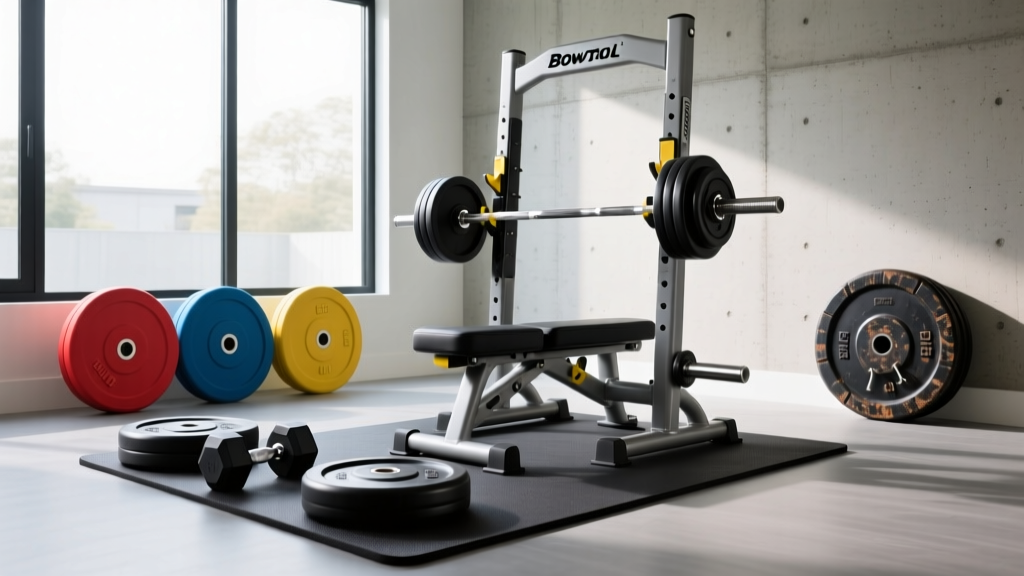
Bowflex Dumbbell or Plates? Bumper vs Iron Value Breakdown

Power Rack vs Squat Rack: Hexagon Shape Dumbbell Troubleshooting
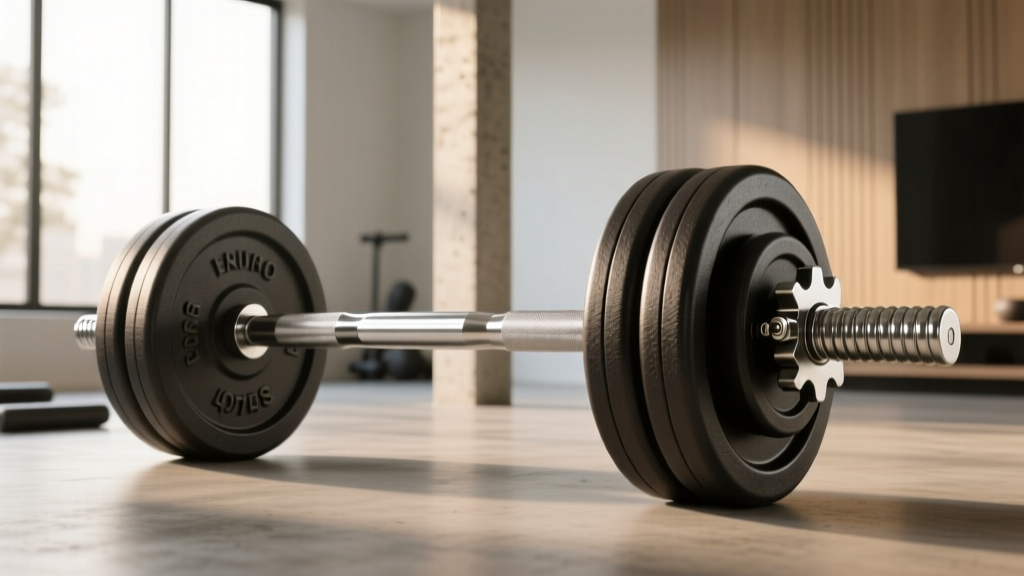
Strongman Dumbbell Setup: Barbell Collar and Clamp Types Compared

Bumper vs Iron Plate Care: Longevity for Incline Dumbbell Extensions
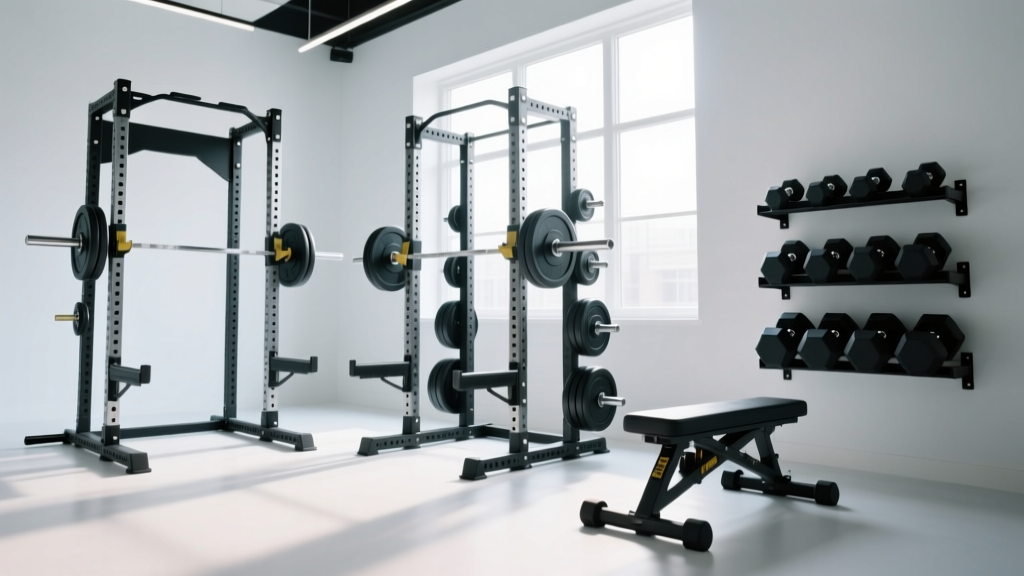
Power Rack vs Squat Rack vs Squat Stand & Circle Dumbbells
